Colombo
Markets, temple visits and sunsets by the sea
Home › Colombo
Why visit Colombo?
Colombo brings together trading streets, Buddhist temples, colonial buildings and a lively food scene on Sri Lanka’s west coast. Spend the morning in Pettah, make time for Gangaramaya or the National Museum, and finish with the sea breeze at Galle Face Green. It is a rewarding city stop for culture and food, especially when you explore one neighbourhood at a time.
Colombo is Sri Lanka’s commercial capital; the official administrative capital is Sri Jayawardenepura Kotte. The main international airport is in Katunayake, outside Colombo, so an airport arrival does not put you straight in the city centre.
How long to stay: Allow one full day for a first visit. Two nights usually give you a less rushed city day between travel days; add a second full day for museums, architecture or food.
Plan your Colombo visit
Best things to do in Colombo
Choose a few neighbourhoods and leave time for traffic, heat and a proper lunch. These experiences work well for a first visit; the suggested timings below are planning allowances, not fixed tour schedules.
Explore Pettah’s trading streets in the cooler morning.
Visit Gangaramaya Temple and nearby Beira Lake.
Explore the National Museum for historical context.
Pause at Independence Square or a leafy city park.
Walk Galle Face Green towards sunset.
Try Sri Lankan food between sightseeing stops.
A manageable one-day Colombo itinerary
Morning — Pettah and Fort. Start with a market walk, then continue towards the historic Fort district and Dutch Hospital precinct. Take a tuk-tuk between areas when the heat or traffic makes walking tiring.
Midday — lunch and a break. Choose somewhere convenient to your next stop. Avoid crossing the city just for a café, and leave time to cool down.
Afternoon — choose culture or history. Visit Gangaramaya and the Beira Lake area, or spend longer at the National Museum. Add Independence Square only if your energy and transfer time allow.
Evening — Galle Face Green. Head to the waterfront for the cooler air and sunset, followed by dinner. Keep the evening flexible if rain arrives.
With a second day: Give the museum and Cinnamon Gardens more time, arrange an architecture visit, or plan a food-focused outing. A late arrival day should not carry a full sightseeing schedule.
Prefer a guide? Compare the route, duration, entry fees and transport included in the existing private tuk-tuk city tour before booking.

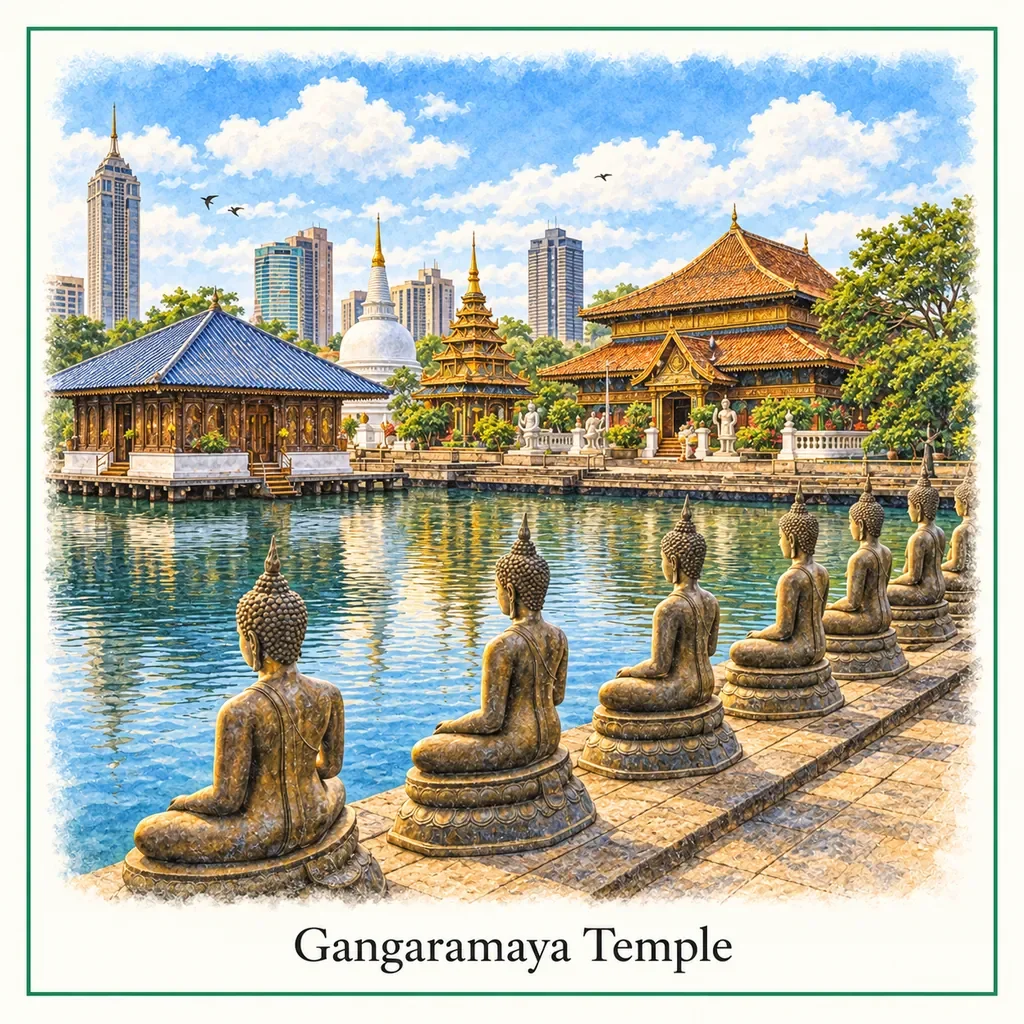
Gangaramaya Temple and Beira Lake
Gangaramaya combines an active Buddhist place of worship with collections, learning and community life. The varied objects and statues make it a different experience from a single, quiet shrine. Follow the visitor route and give worshippers space.
Nearby Seema Malaka sits on Beira Lake and can be combined with the temple when access allows. Treat the two as separate stops: confirm current admission arrangements locally rather than assuming one ticket covers everything.
Best time: Morning or later afternoon, around worship and local access
Allow: 45–90 minutes for the temple and nearby lake area
Beyond Path Asia tip: Cover shoulders and knees, remove shoes where required and ask before photographing people or ceremonies. Carry socks for hot ground; do not pose with your back to Buddha statues.
Pettah Market and the streets of Fort
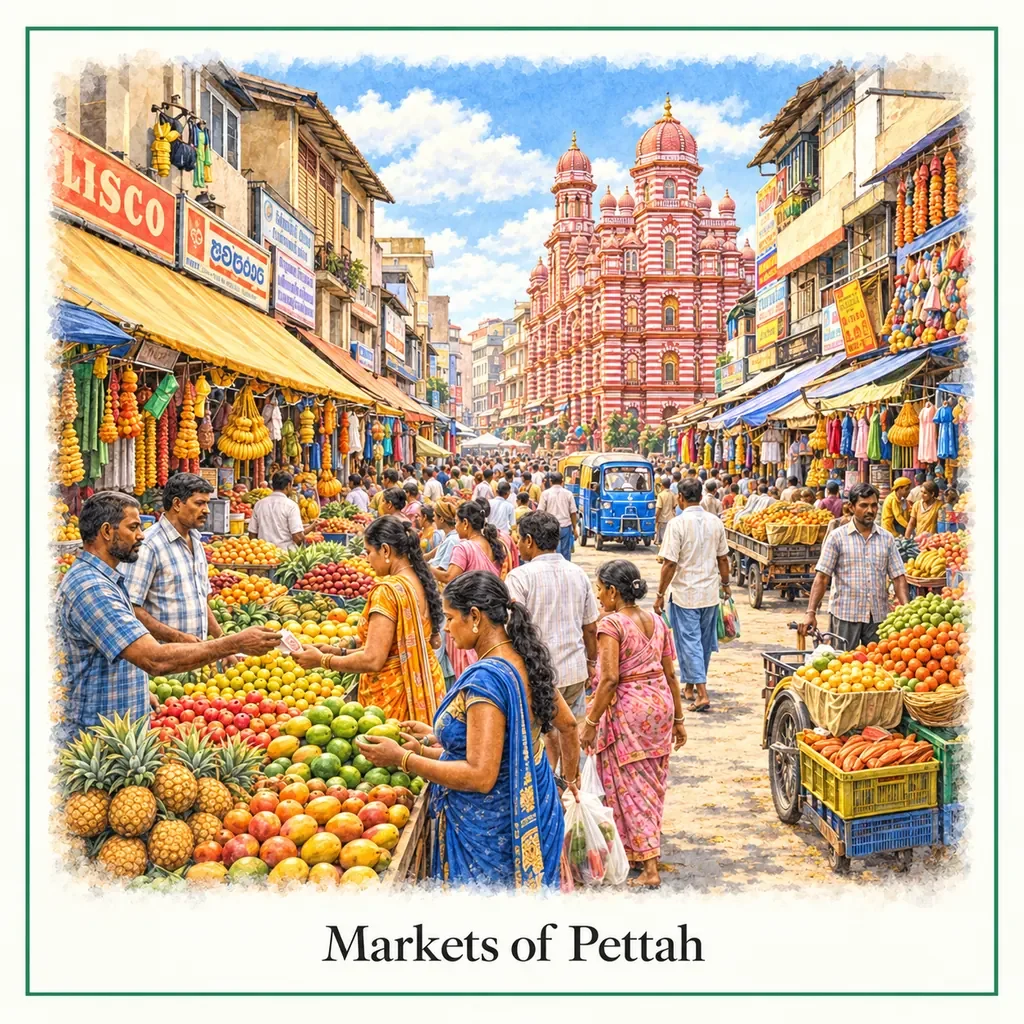
Pettah is a working trading district, with shops and streets devoted to textiles, food, electronics and everyday goods. Come to observe the activity rather than expecting a tidy visitor market. Delivery vehicles, handcarts and pedestrians share narrow streets, so walk attentively and step aside for people working.
The red-and-white Jami Ul-Alfar Mosque is a striking landmark in Pettah. Respect prayer times and check visitor access before approaching; seeing the exterior is worthwhile even when entry is unavailable. Continue towards Fort for a change of architecture and a break around the Dutch Hospital precinct.
Best time: Morning, when walking is usually more comfortable
Allow: 1–2 hours, including pauses
Beyond Path Asia tip: Keep valuables secure, ask before portraits and use a clear meeting point if travelling as a group. With young children, choose a short guided loop instead of a long unplanned walk.
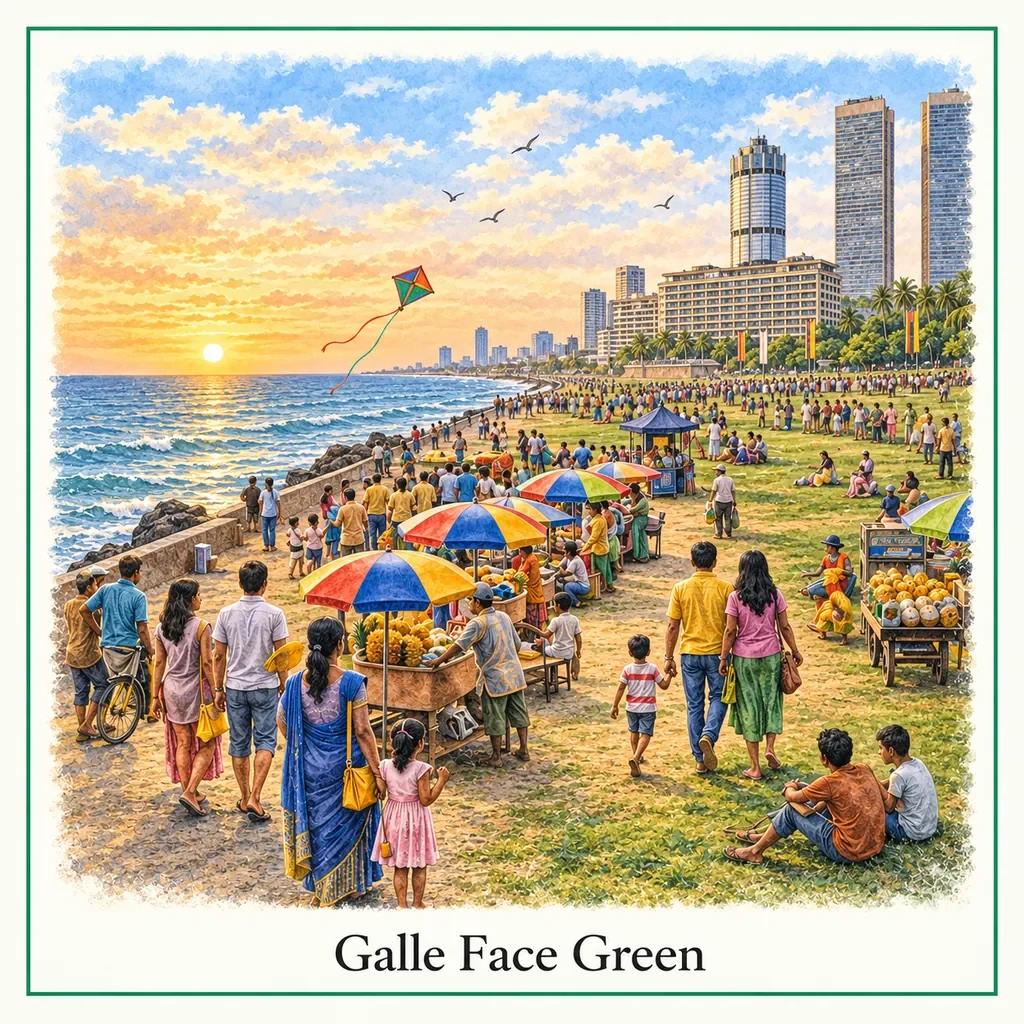
Galle Face Green: an evening by the ocean
Galle Face Green is Colombo’s broad oceanfront gathering place. Walk along the promenade, watch families and kite flyers, and enjoy the changing light over the west-facing sea. The atmosphere is especially appealing towards sunset, although weather and events can affect access and the number of vendors.
This is an urban seafront stop, not a swimming-beach recommendation. Stay back from waves and slippery edges, keep children close and leave the waterfront when thunderstorms approach.
Best time: Late afternoon into sunset
Allow: 45–90 minutes
Beyond Path Asia tip: If trying a snack, choose food cooked fresh and served hot. Bring water and keep a nearby café or hotel restaurant in mind as a rain alternative.
Independence Square and a green-space break
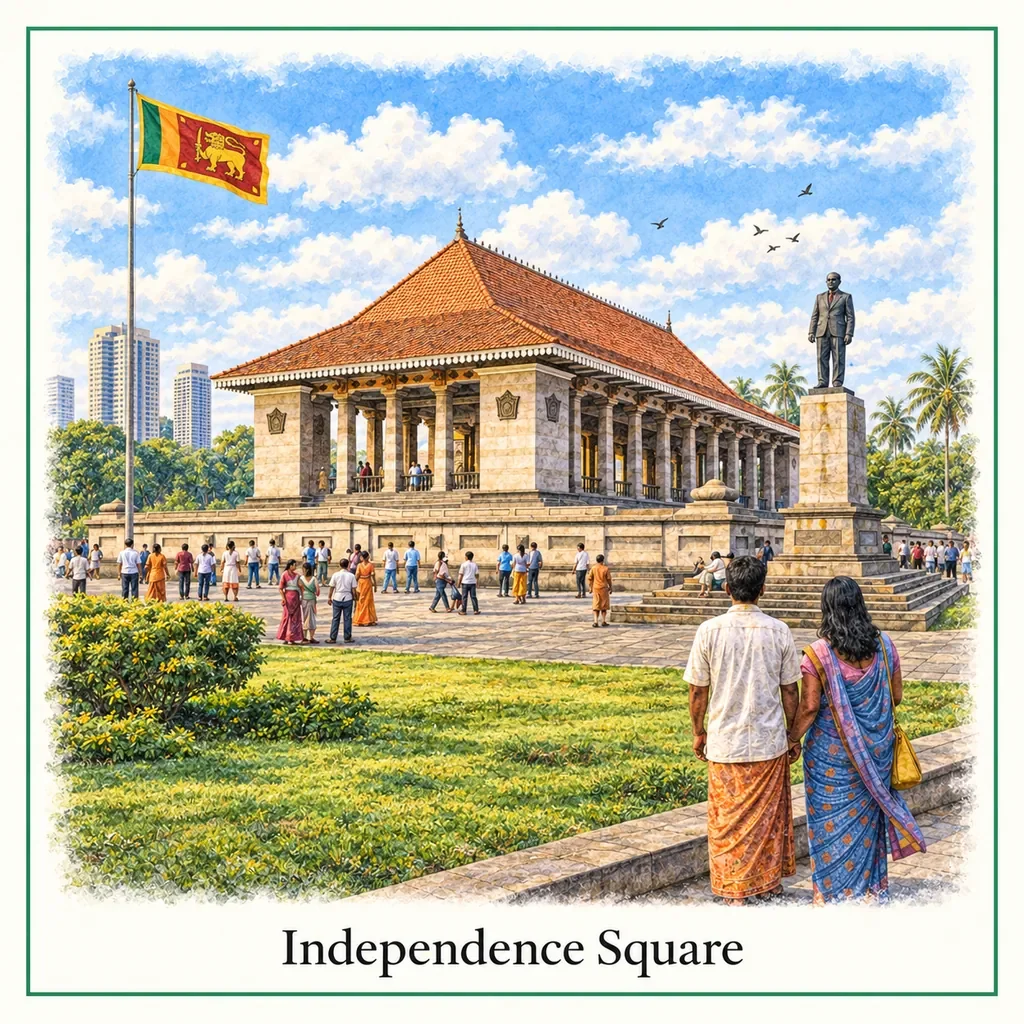
Independence Memorial Hall commemorates Sri Lanka’s independence from British rule. Its open colonnades and surrounding grounds offer a change from the commercial streets of Fort and Pettah. Come for a short walk and a look at the monument rather than building an entire day around it.
Combine the area with Cinnamon Gardens or the National Museum using a short vehicle transfer when needed. Viharamahadevi Park is another option for shade and a pause near the museum; neither stop needs to be squeezed into an already full itinerary.
Best time: Early morning or cooler late afternoon
Allow: 30–45 minutes for the square
Beyond Path Asia tip: The memorial museum is a separate indoor visit with its own access arrangements. Check opening before planning around it, and carry water even on a short walk.
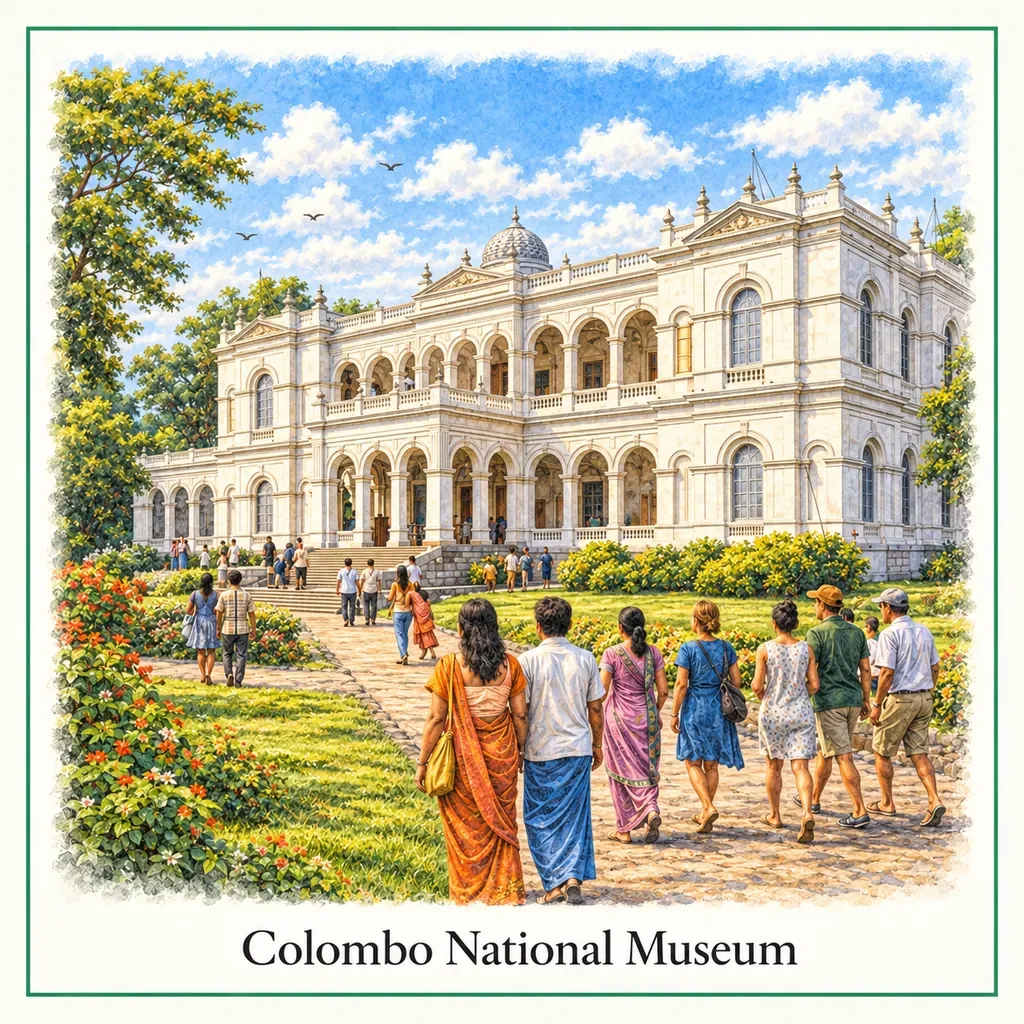
Colombo National Museum: put the island in context
The National Museum introduces Sri Lanka’s history through archaeological finds, religious art, craftsmanship and royal objects. It is a useful early stop if your route continues to ancient cities and temples: the collections help connect the places you will see later.
Choose a few galleries that interest you and allow time to read the displays. Do not assume every room is air-conditioned or that all galleries will be accessible. Check current opening days, holiday closures, admission and photography rules with the Department of National Museums before going.
Best time: Earlier in the day, after checking opening
Allow: 1½–2 hours, or a shorter visit focused on selected galleries
Beyond Path Asia tip: Families can turn the visit into a search for three objects rather than trying to cover every gallery. Add a café or park break afterwards.
Explore Colombo through its food
Use a city day to try hoppers, string hoppers, rice and curry, or kottu made to order. Bakeries and small eateries offer short eats, while restaurants give you a more comfortable place to pause between neighbourhoods. Ask what is available at that time of day; breakfast dishes are not served everywhere all day.
A guided food walk can help with ordering and context, especially on a first visit. Check the meeting point, walking distance, tastings included and dietary arrangements before reserving. Our restaurant suggestions below give you a few different settings to consider.
Best time: Around a meal, with availability checked locally
Allow: 1–2 hours for a meal; longer for a guided food walk
Beyond Path Asia tip: Vegetarian does not automatically mean free from fish stock or Maldive fish. Explain your requirements and check sambols, curries and sauces; vegans should also ask about egg and dairy.

Essential travel tips for Colombo
Plan by area. Pettah and Fort form one cluster; the museum, parks and Cinnamon Gardens form another. Short map distances can still mean slow transfers.
Use the cooler hours. Walk in the morning or late afternoon, then plan lunch or an indoor stop during the hottest part of the day.
Agree transport clearly. Use a metered fare, an app quote or an agreed total before leaving. Confirm waiting time, extra stops and any proposed shop visits.
Dress for worship sites. Carry a light layer to cover shoulders and knees, and follow local footwear and photography rules.
Keep an airport buffer. Ask your hotel or driver about a suitable departure time for your flight and the day’s traffic. An airport transfer is not a short city taxi ride.
Carry small cash and drinking water. Card acceptance varies, especially at small stalls. Choose freshly prepared food and protect yourself from heat.
Check current conditions. Follow local instructions around demonstrations, road closures and severe weather. Check current government travel advice before your trip.
For wider planning, see our Sri Lanka travel tips and budget guide.
Where to stay in Colombo
Choose Galle Face or Fort for a central waterfront base, Cinnamon Gardens for a quieter residential setting, or Marine Drive for ocean views with taxi journeys to the historic sights. A seafront hotel is not automatically on a swimming beach. Confirm room occupancy, connecting rooms and child policies directly for your group; central Colombo is separate from the airport area.
Best places to stay in Colombo
Shangri-La Colombo
Shangri-La Colombo is a luxury five-star hotel located in the heart of the city, perfect for travelers seeking comfort and a prime location. Just steps away from Galle Face Green, the hotel offers spacious rooms with ocean views, an infinity pool, and several restaurants with international and vegetarian options. It’s an excellent choice for both the start and end of your Sri Lanka itinerary. With top-tier service and modern facilities, Shangri-La is ideal for families, couples, and business travelers looking for a premium hotel experience in Colombo.
👉 Check availability & prices at Shangri-La Colombo
Cinnamon Grand Colombo
Cinnamon Grand Colombo is a well-known hotel offering excellent facilities and a central location. With multiple dining options, including vegetarian-friendly restaurants, a large swimming pool, and comfortable rooms, it provides great value for money. The hotel is conveniently located near shopping areas and major attractions, making it ideal for both short stays and longer visits. Travelers appreciate the wide range of amenities and the lively atmosphere. If you’re looking for a versatile and comfortable hotel in Colombo, this is a reliable and popular choice.
👉 Check availability & prices at Cinnamon Grand Colombo
Galle Face Hotel
Galle Face Hotel is one of the oldest and most iconic hotels in Sri Lanka, offering a unique blend of history and charm. Located along the coastline with stunning views of the Indian Ocean, this colonial-style hotel is perfect for travelers seeking an authentic Colombo experience. The spacious rooms, historic architecture, and oceanfront terrace create a memorable stay. Enjoy sunset drinks by the sea or dine in one of the on-site restaurants. For a characterful hotel in Colombo with a rich heritage, this is an exceptional choice.
Family stays in Colombo
Cinnamon Lakeside Colombo
Cinnamon Lakeside Colombo is one of the best family-friendly hotels in the city, offering plenty of space and activities for all ages. Set beside Beira Lake, the hotel features large rooms, expansive gardens, and a variety of dining options. Children can enjoy the swimming pool and open spaces, while parents appreciate the relaxed atmosphere and convenient location. The hotel also offers sports facilities and family-friendly services. It’s a great choice for families looking for comfort, space, and a central yet peaceful setting.
👉 Check availability & prices at Cinnamon Lakeside Colombo
Marino Beach Colombo
Marino Beach Colombo is a popular choice for families thanks to its beachfront location and excellent facilities. The hotel features spacious rooms, a rooftop infinity pool, and direct access to the oceanfront promenade. Children will enjoy the pool area, while parents can relax and take in the sea views. The hotel also offers a variety of dining options and easy access to shopping areas. Its combination of location, comfort, and family-friendly amenities makes it a great base in Colombo.
Luxury stays in Colombo
The Kingsbury Colombo
The Kingsbury Colombo is a refined luxury hotel located in the heart of the city’s Fort district. The property offers elegant rooms, excellent dining options, and a rooftop bar with panoramic views. Guests can relax by the pool or indulge in spa treatments after a day of exploring. The hotel’s central location makes it easy to visit nearby attractions and business areas. Its combination of classic luxury and modern amenities ensures a comfortable and upscale stay.
👉 Check availability & prices at The Kingsbury Colombo
ITC Ratnadipa Colombo
ITC Ratnadipa Colombo is one of the newest luxury additions to the city, offering a high-end experience with a focus on sustainability and design. The hotel features spacious rooms, fine dining restaurants, and a luxurious spa. Guests can enjoy panoramic ocean views and exceptional service throughout their stay. Its modern design and attention to detail create a sophisticated atmosphere. This hotel is ideal for travelers seeking contemporary luxury in Colombo.
Boutique stays in Colombo
Paradise Road Tintagel Colombo
Paradise Road Tintagel is a boutique hotel set in a beautifully restored colonial mansion. Located in the upscale Cinnamon Gardens area, the property offers a quiet and elegant retreat away from the city’s hustle. Each room is uniquely designed with antique furnishings and modern comforts. Guests can enjoy a peaceful courtyard, a small pool, and a renowned restaurant. The hotel’s intimate atmosphere and attention to detail make it perfect for travelers seeking a refined and unique stay.
👉 Check availability & prices at Paradise Road Tintagel Colombo
55TG Boutique Suites
55TG Boutique Suites is a hidden gem offering a peaceful and intimate stay in Colombo. The property is known for its personalized service and beautifully designed interiors. Rooms are spacious, comfortable, and tastefully decorated, creating a home-like atmosphere. Guests can relax in the garden or enjoy freshly prepared meals on-site. Its quiet location makes it ideal for travelers seeking a calm escape while still being within reach of the city’s main attractions.
Where to eat in Colombo
Pick a restaurant near your sightseeing route and compare its current menu before reserving. The options below are starting points for different tastes and settings, not a fixed price ranking. Opening, service style and menus can change.
Sri Lankan flavours: Nuga Gama
Nuga Gama at Cinnamon Grand offers village-inspired Sri Lankan dining within a large city hotel. It suits an evening when you want regional dishes in a more structured setting. Confirm the dining format and explain dietary needs when booking.
A garden café break: Barefoot
Barefoot Garden Café is an option for a relaxed meal or break around the Colombo 3 area, with a garden setting alongside the Barefoot shop. Check the current menu and any event arrangements; vegetarian and vegan requirements should be confirmed for the dishes you choose.
Architecture and atmosphere: The Gallery Café
Paradise Road The Gallery Café combines dining with an art and design setting. Treat its courtyard as part of the same venue, rather than listing it as a second restaurant. Compare the menu and total cost before choosing it for lunch or dinner.
Seafood in Fort: Ministry of Crab
Ministry of Crab is based in the Dutch Hospital precinct and focuses on Sri Lankan crab and other seafood. It is a deliberate dining choice for seafood lovers; check availability, portion sizes and current pricing in advance.
Hotel dining with choice: Central
Central at Shangri-La Colombo is the hotel’s international dining option with multiple cooking stations. Use the current name when checking menus and reservations. Confirm which service is offered for your meal and what is included.
Vegetarian and vegan ordering: Ask specifically about fish stock, dried fish and Maldive fish, as well as egg and dairy when relevant. For dish ideas, read our vegetarian food guide. Reserve popular restaurants and check dress requirements where relevant.

How to get to Colombo and get around
From Bandaranaike International Airport
Bandaranaike International Airport (CMB) is in Katunayake, north of Colombo and near Negombo. A pre-arranged hotel transfer or airport taxi is convenient with luggage or children. Agree the total fare, expressway tolls, pickup point and vehicle size. The official airport taxi information explains the supervised arrival counters.
Traffic makes transfer times variable, so avoid treating a short quoted journey as a guarantee. For a very late arrival or early departure, compare a stay near the airport or Negombo with a central Colombo hotel. Airport buses can suit a smaller budget; check current service and last-mile transport on arrival.
By train or bus from elsewhere in Sri Lanka
Colombo Fort and Maradana are major railway stations. Check the exact departure station, service and reservation arrangements for your route with Sri Lanka Railways. Buses serve many destinations but departure points vary; confirm the correct terminal and luggage arrangements before setting out.
Within the city
Use short walks within a neighbourhood and tuk-tuks or taxis between districts. Metered or app-based journeys help make fares clearer. Leave time for congestion, agree waiting charges and keep your hotel’s address available offline. For hill-country travel, see our Kandy–Ella train guide.
Best time to visit Colombo
Colombo stays warm and humid throughout the year. For outdoor sightseeing, the drier part of the west-coast year is usually the easier choice, but rainfall is possible in any month. Plan around the wider Sri Lanka route rather than choosing Colombo in isolation.
December to March: usually easier for walking
These months are often a practical choice for a west-coast city stop. Use early mornings and later afternoons for markets and waterfront walks; sunshine does not remove the need for shade, water and rest.
April to September: allow for heat and rain
April can be particularly hot, while the southwest monsoon can bring rain to the west coast from May onwards. Keep a museum, café or hotel break available and avoid packing the day with outdoor stops.
October and November: keep the schedule flexible
Inter-monsoon rain and thunderstorms can disrupt walking and transport. Check the Department of Meteorology forecast before outings and keep clear of exposed waterfront areas during lightning.
Beyond Path Asia tip: A short Colombo stop works in many itineraries. Give yourself flexible sightseeing time rather than relying on a promise of dry weather or lighter traffic.

Beyond the main sights: Colombo’s quieter corners
Book an architecture visit at Number 11
Geoffrey Bawa’s Colombo residence offers a more focused way to explore Sri Lankan architecture. Check the Geoffrey Bawa Trust’s visitor guidance and arrange a visit in advance. This is a planned house visit with its own arrangements, not a place to assume you can enter freely.
Make space for local design
Combine a café break with shops or galleries around Colombo 3 and Cinnamon Gardens. Choose a small area to explore and check opening before a special journey. Leave room in the day for browsing rather than adding every shop to a checklist.
Look at Fort between the landmarks
The interest is often in the streetscape: older facades, working offices and changing views towards the harbour area. Respect security restrictions and avoid photographing sensitive buildings or checkpoints.
Choose your city stop deliberately
Colombo suits food, museums and urban culture. Negombo can be more convenient when the priority is airport access. Neither should be described as a substitute for the island’s dedicated beach destinations.
Colombo travel FAQ
-
Colombo is a rewarding stop for food, temples, markets and museums. Explore Pettah and Fort, visit Gangaramaya or the National Museum, then enjoy the sea breeze at Galle Face Green.
-
For a first visit, combine Pettah and Fort with one cultural stop and an evening at Galle Face Green. Add Independence Square or a Sri Lankan meal if time allows. Group sights by area to reduce time in traffic.
-
Yes, if you enjoy city culture and food. One full day gives you a useful introduction; a second day lets you add architecture, galleries or a slower restaurant visit. Choose an airport-area stay instead if your priority is a short overnight connection.
-
Allow one full day for a first visit, usually with two nights if you arrive late or leave early. Two full days suit travellers who want museums, architecture and unhurried meals. Keep airport transfers separate from sightseeing time.
-
December to March is often a practical choice for west-coast sightseeing, but rain is possible in every month. Colombo stays warm and humid all year. Keep plans flexible, check the forecast and plan outdoor walks for cooler hours.
-
Yes, with a relaxed schedule. Combine a short market or temple visit with a museum, a park break and time at your hotel. Plan around heat and traffic, and use transport between neighbourhoods rather than expecting children to walk the whole city.
-
Walk within compact areas such as Pettah and Fort, then use a taxi or tuk-tuk between districts. Confirm the fare or use a metered or app-based option. Leave extra time for traffic, especially when travelling to the airport.
-
Yes. Look for vegetable rice and curry, dhal, hoppers and other meat-free dishes. Ask about fish stock, dried fish, eggs and dairy when ordering, since a dish that looks vegetarian may include them. Explain any allergies separately.
-
Choose Galle Face or Fort for a central waterfront base, Colombo 3 for restaurants and city access, or Cinnamon Gardens for a quieter residential setting. Compare location as well as room price, and check journey time to your next transport connection.
-
Conditions can change, so check your government’s current Sri Lanka travel advice before travelling. In the city, keep valuables secure, agree transport fares, use care around traffic and avoid demonstrations. Ask your accommodation about current local conditions.
-
Its mix of working trading streets, religious sites, colonial-era buildings and contemporary Sri Lankan food and design. It offers an urban perspective that complements the island’s beaches, hill country and archaeological sites.
-
Negombo can suit an airport-focused stop, Kandy connects with the hill country, the Cultural Triangle adds ancient cities, and Galle works for a journey south. Choose a route that matches the season and your available transfer days.
Where to go after Colombo
Build your next stop around your available time, the season and a realistic transfer day:
Negombo — compare a base closer to the main airport.
Kandy — continue inland for temples and hill-country connections.
The Cultural Triangle — plan ancient cities and archaeological sites.
Galle — head south for the historic fort and nearby coastal stays.
Compare our seven-day route, two-week itinerary and three-week itinerary before adding extra stops.
More Sri Lanka inspiration
April–November route · Extraordinary stays · Budget guide · Experiences and tours · Tuk-tuk travel guide