Dambulla
Cave temples, countryside and Cultural Triangle journeys
Home › Dambulla
Why visit Dambulla?
Dambulla combines one of Sri Lanka’s outstanding Buddhist temple sites with a busy market town and a countryside of reservoirs, farms and rocky hills. The cave shrines are the main reason to visit; the surrounding area also works as a base for the Cultural Triangle.
Choose your location carefully. Central Dambulla is a working transport and trading hub, while many quieter hotels sit around Kandalama Lake or on rural roads outside town. Sigiriya and Habarana are alternative bases with different journeys to the same sights.
How long to stay: Allow a half day for the cave temple and nearby Golden Buddha. Stay two or three nights if using the area for Sigiriya, countryside time or another major excursion.
Plan your Dambulla visit
Best things to do in Dambulla
Put the cave temple first, then choose a short local outing or time to relax. The Golden Buddha below the rock belongs to the same wider visit, rather than a second full sightseeing day. The time allowances below are planning suggestions, including pauses.
A relaxed one-day Dambulla itinerary
Morning: Visit the cave shrines before the strongest heat. Allow 1½–2 hours for the climb, five sanctuaries and descent, with longer for a slower pace. Confirm the ticket point before starting uphill.
Late morning: Look at the modern Golden Buddha and lower grounds, then take a lunch and water break. Keep worshippers’ access clear.
Afternoon: Choose a short countryside outing with a local guide, or return to your hotel. A brief market visit is another option when access and working conditions allow.
With more time: Give Sigiriya its own early start. Treat Polonnaruwa or a wildlife excursion as a separate substantial outing, rather than adding everything to a temple day.

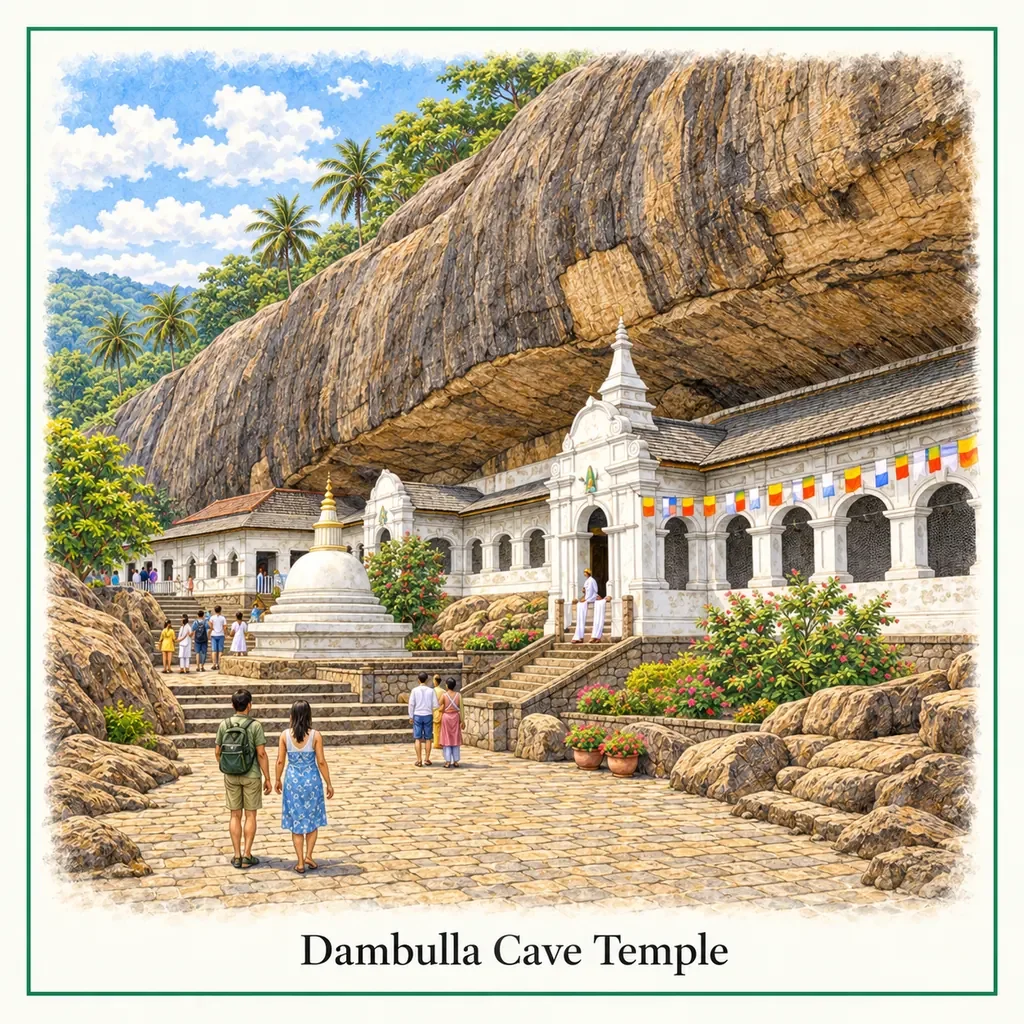
Dambulla Cave Temple: five shrines above the town
The UNESCO-listed Rangiri Dambulla Cave Temple is a living Buddhist place of worship. Its five cave sanctuaries hold painted sculptures and sweeping murals across the rock surfaces. Look slowly at the ceilings and arrangements of figures; the experience rewards attention more than a quick photo stop.
The sanctuaries have changed through centuries of royal support and restoration. They are not interiors preserved unchanged from one ancient date. Read UNESCO’s account of Dambulla for the history and significance of the site.
Best time: Early in the day, after checking current visitor access
Allow: 1½–2 hours for the climb, shrines and descent
Beyond Path Asia tip: Cover shoulders and knees. Remove footwear where required, bring socks for hot paving and follow photography instructions. Confirm current admission, ticket location and last entry locally; the climb includes many steps and uneven ground.
The Golden Buddha and lower temple grounds
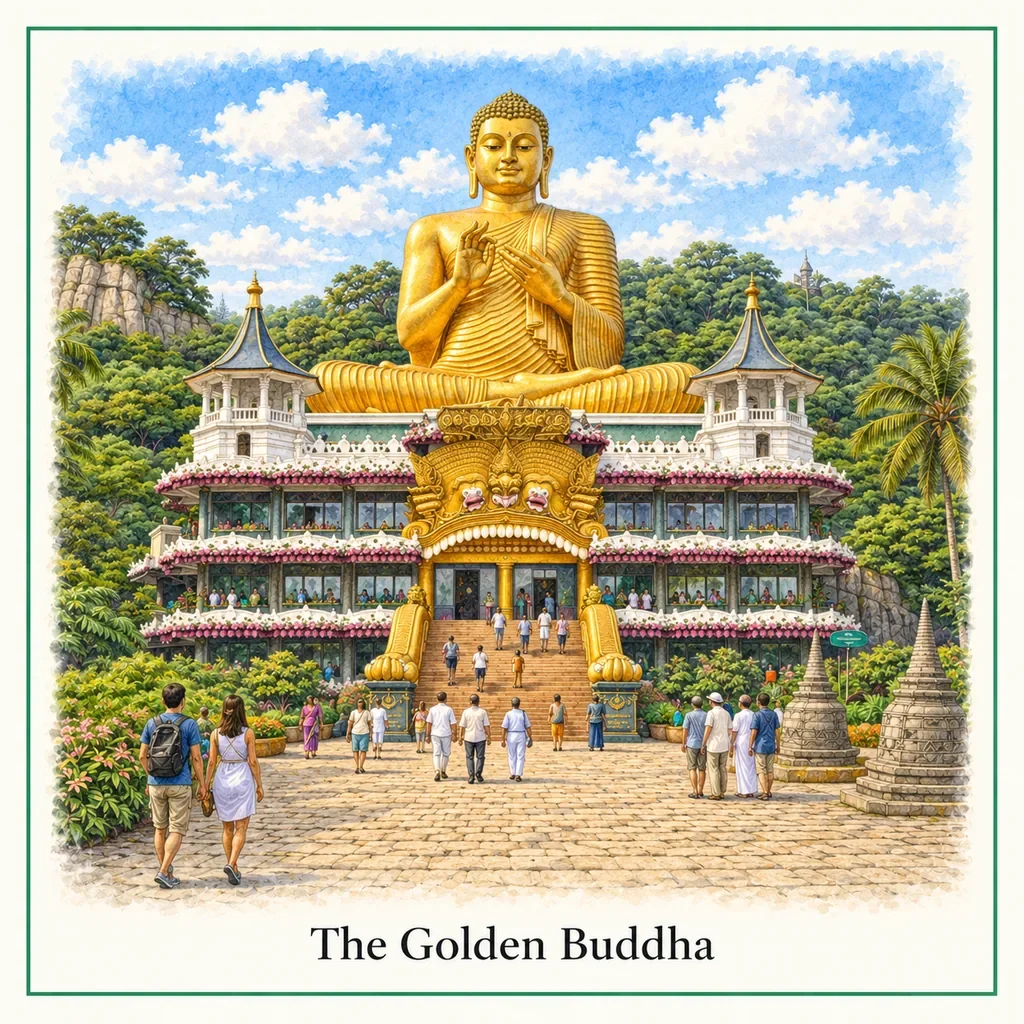
The large golden seated Buddha at the base of the rock is a modern landmark, distinct from the historic cave sanctuaries above. Seeing both helps explain the different layers of the complex, but visiting the lower grounds does not replace the uphill cave visit.
Check the current route to the cave-temple ticket counter before climbing. Access arrangements and the most convenient approach can differ from the impression given by the roadside landmark.
Best time: Before or after the cave visit, when local access allows
Allow: 20–30 minutes as part of the same outing
Beyond Path Asia tip: Keep the caves as your main visit. Leave space for pilgrims, follow footwear rules at sacred areas and check before photographing ceremonies.
Reservoirs and countryside around Dambulla
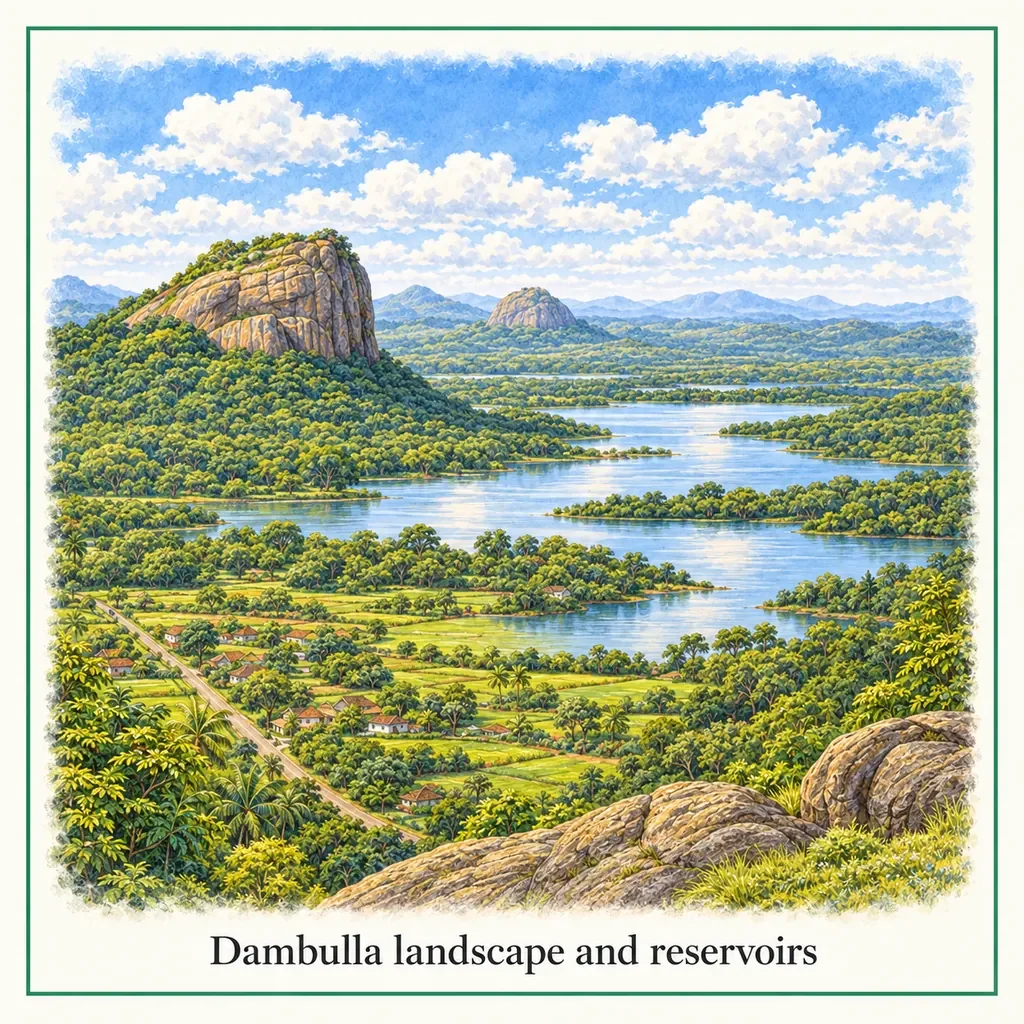
Reservoirs, locally called tanks, are central to the region’s farming landscape. Around Kandalama and the rural outskirts, a guided walk or cycle ride can connect village roads, irrigation and views of water and rocky hills. Ask your accommodation for a suitable route and current conditions.
Use public paths or a guide with permission to cross private land. Reservoir edges are wildlife habitat and working spaces, rather than informal swimming areas; avoid swimming and isolated shoreline walks.
Best time: Cooler morning or later afternoon, away from thunderstorms
Allow: 1–2 hours for a short guided outing
Beyond Path Asia tip: Carry water and sun protection. Choose a short, quiet route with children and ask about dogs, road traffic, wildlife and muddy ground before leaving.
Local markets: observe a working trading town
Dambulla’s produce trade gives the town a different character from nearby visitor-focused villages. A short visit can offer a glimpse of vegetables arriving, goods being moved and local shopping, but the wholesale trading areas are busy workplaces.
Ask locally whether visitors are welcome and which part is suitable to walk through. Activity varies through the day; do not rely on a blanket claim that one hour is always best. Keep out of loading areas and away from moving vehicles.
Best time: At a locally recommended time, when visitor access is suitable
Allow: 20–45 minutes
Beyond Path Asia tip: Ask before portraits, keep valuables close and let people work. With young children or anyone uncomfortable in traffic and crowds, choose a smaller local market or skip this stop.

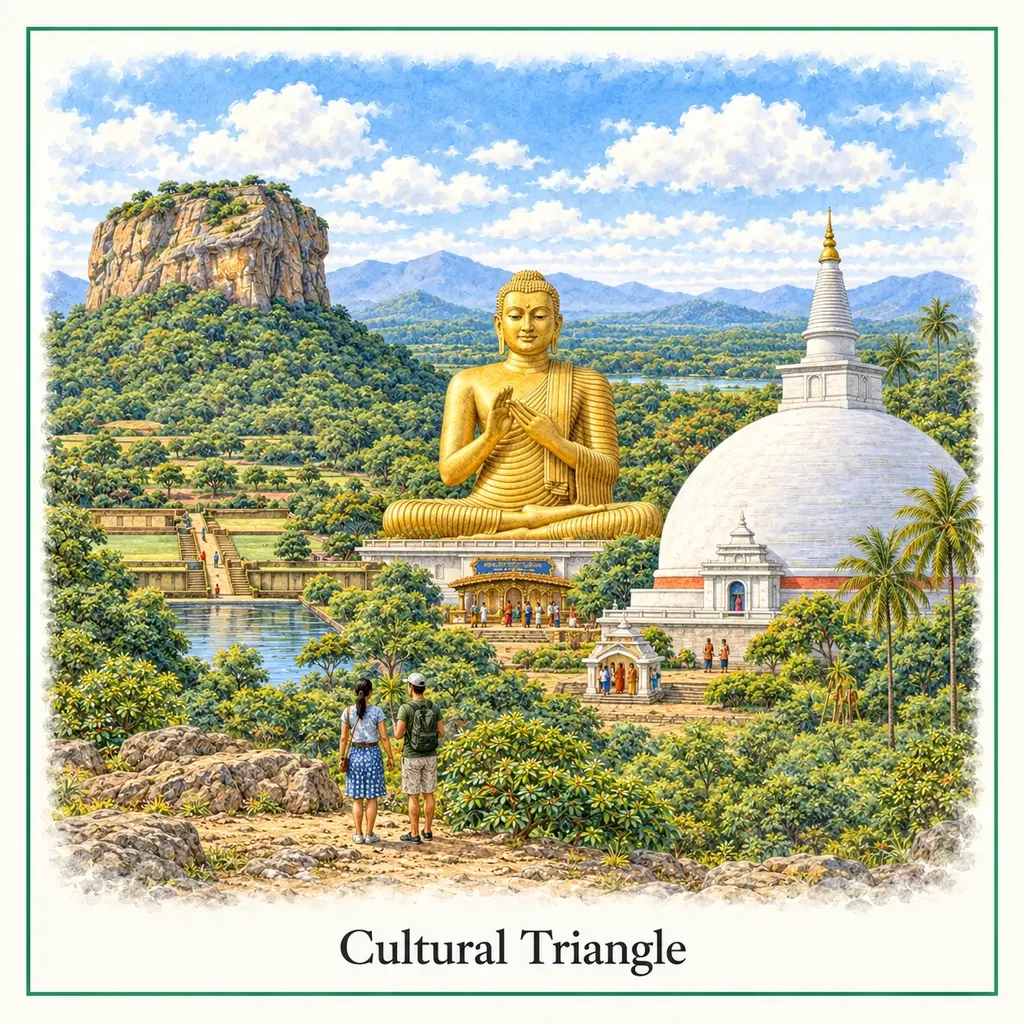
Use Dambulla as a Cultural Triangle base
Dambulla can work well when you want the cave temple, rural accommodation and road connections in one stay. For a Sigiriya-focused visit, compare accommodation closer to Lion Rock; for wildlife outings, compare Habarana as well. Your hotel’s exact location matters more than the destination label.
Plan one main archaeological site or climb in the cooler part of each day. Polonnaruwa deserves a separate outing with time at the ruins. For elephants, discuss the current park choice and responsible viewing with a reputable operator; sightings and animal movements are never guaranteed.
Best time: Start major excursions early and leave a midday break
Allow: Two or three nights for a flexible regional stay
Beyond Path Asia tip: Compare a driver’s complete route, waiting time and return fare. Read our Cultural Triangle guide before combining sites.
Essential travel tips for Dambulla
Prepare for the climb. The cave temple involves steps, exposed stretches and uneven surfaces. Allow extra time for children or limited mobility; ask about the access route before booking transport.
Check entry arrangements. Confirm the ticket counter, opening and last admission locally before setting off uphill. Carry cash and do not assume online prices remain current.
Dress respectfully. Cover shoulders and knees, remove shoes where required and follow temple photography rules.
Protect your belongings. Keep food and loose objects secured around monkeys, do not feed wildlife and avoid approaching animals.
Plan hotel transport. A quiet countryside resort can be some distance from the bus stand, restaurants and temple. Agree pickup and return fares.
Allow for heat and rain. Carry water, take breaks and postpone exposed climbs or waterfront outings during thunderstorms.
For wider planning, see our Sri Lanka travel tips and budget guide.
Where to stay in Dambulla
Dambulla is a key stop in Sri Lanka’s Cultural Triangle, best known for the UNESCO-listed Dambulla Cave Temple and its strategic location between Sigiriya, Anuradhapura, and Polonnaruwa. Surrounded by jungle landscapes, lakes, and dramatic rock formations, it offers a peaceful base for exploring some of the country’s most iconic cultural and natural highlights.
Staying in Dambulla is all about tranquility, nature, and convenience. Most accommodations are set just outside the town, offering scenic views and a relaxed atmosphere after a day of sightseeing. Below, you’ll find the best places to stay in Dambulla, carefully selected for their location, comfort, and overall experience.
Best places to stay in Dambulla
Jetwing Lake
Jetwing Lake is one of the most impressive stays in Dambulla, offering a perfect blend of modern design and natural surroundings. Located near a serene lake, the hotel features spacious rooms with private balconies overlooking lush greenery. The infinity pool is a standout, providing breathtaking views—especially at sunset. Guests can enjoy excellent dining options and a peaceful atmosphere throughout the property. Its location makes it easy to visit Sigiriya and the Dambulla Cave Temple. With its stylish design and tranquil setting, Jetwing Lake is ideal for travelers seeking comfort and scenery.
Amaya Lake Dambulla
Amaya Lake Dambulla offers a unique stay surrounded by tropical gardens and overlooking Kandalama Lake. The property features charming villas with traditional Sri Lankan design elements, creating a warm and inviting atmosphere. Guests can relax by the large pool, take a boat ride on the lake, or enjoy nature walks in the area. The peaceful setting makes it a great escape from the busier tourist spots. With its blend of comfort, nature, and authentic charm, Amaya Lake is a top choice for those wanting a relaxing stay in Dambulla.
Sigiriana Resort by Thilanka
Sigiriana Resort by Thilanka is a well-established hotel offering comfort and convenience in a green, peaceful setting. The rooms are spacious and designed with natural materials, creating a calm and welcoming environment. The large swimming pool and garden areas provide plenty of space to relax after a day of exploring. Its central location makes it easy to visit nearby attractions like Sigiriya Rock and the cave temples. With its relaxed atmosphere and good facilities, it’s a reliable option for a comfortable stay.
Family-friendly stays around Dambulla
Choose a room layout and transfer distance that suit your family. Confirm extra beds, meal plans and pool arrangements directly before booking.
The Paradise Dambulla
A countryside resort option for families who prefer space and time at their accommodation between Cultural Triangle outings.
Best for: Families and slower resort stays
Location: Countryside outside Dambulla
Rural setting
Resort facilities
A base for regional excursions
Good to know: Check the current room configuration and arrange transport for sightseeing and meals outside the property.
Oak Ray Pelwehera Village
A resort near Dambulla with a green setting among forest and paddy landscapes. Consider it when you want a quieter base with road access to the region.
Best for: Families and road trips
Location: Pelwehera, outside Dambulla
Green surroundings
Resort accommodation
Road connections to cultural sights
Good to know: Confirm family room capacity and the actual driving distance to each planned excursion.
A luxury stay near Kandalama
Choose a countryside hotel for its setting as well as its facilities, and allow time to enjoy the property itself.
Heritance Kandalama
Heritance Kandalama combines a landscape-led architectural setting with lake and forest surroundings. It suits travellers who want a distinctive resort stay between cultural excursions.
Best for: Couples, architecture and a special stay
Location: Kandalama, outside Dambulla
Distinctive architecture
Lake and forest setting
Several dining experiences
Good to know: This is a rural resort rather than a town-centre base. Check meal plans, room outlook and transfer arrangements.
Nature stays in the wider region
These alternatives suit a slower itinerary. Compare their exact locations with your route before choosing them as a Dambulla base.
Back of Beyond Pidurangala
A forest hideaway near Pidurangala and Sigiriya, with treehouse and cottage accommodation. Choose it for the natural setting and proximity to the Sigiriya area.
Best for: Nature lovers and a Sigiriya-focused stay
Location: Pidurangala, near Sigiriya
Forest surroundings
Treehouse and cottage options
Close to the Sigiriya area
Good to know: This is outside Dambulla. Confirm access, stairs and suitability for young children before selecting a treehouse.
Kalundewa Retreat
A rural retreat in the wider Dambulla area, set within a landscape of paddy fields and water. It is a candidate for travellers who value quiet surroundings and time at their accommodation.
Best for: Couples and a countryside escape
Location: Kalundewa, outside Dambulla
Rural landscape
Quiet retreat atmosphere
A slower pace between excursions
Good to know: Check current room facilities, meal arrangements and transfers directly with the property.

Where to eat in Dambulla
Choose lunch near your route, then decide whether dinner in town or at your accommodation is more convenient. Rural hotels can mean an extra return journey. Check today’s menu and service before travelling specifically for a meal.
A simple local lunch
Look for a busy rice-and-curry restaurant with freshly prepared dishes and a clear price. Ask what is vegetarian rather than assuming every vegetable curry is free from fish stock or Maldive fish. For vegan meals, also check egg, dairy and accompaniments. Our vegetarian food guide helps with ordering.
Jetwing Lake: dining outside town
Jetwing Lake’s dining options include Sri Lankan and international food in a lakeside hotel setting. Contact the hotel about non-resident access, meal service and reservations before arranging transport.
Amaya Lake: Samara restaurant
Samara at Amaya Lake offers Sri Lankan and international dishes at the Kandalama Lake resort. Check which meal format is available and explain dietary requirements when reserving.
Heritance Kandalama: a planned dining outing
Heritance Kandalama has several dining venues, including Kaludiya Restaurant. This is a countryside hotel visit requiring transport; confirm the available venue, non-resident arrangements, dress expectations and total cost in advance.
Beyond Path Asia tip: Plan the return journey before dinner. Resort dining and special private meals should be booked with the named property; avoid treating an unnamed “private dining experience” as an established restaurant.

How to get to Dambulla and get around
By car or private transfer
A driver is convenient for families, luggage and accommodation outside town. Dambulla connects by road with Kandy, Colombo, Anuradhapura and Trincomalee. Ask for a realistic journey estimate for your exact starting point, traffic and stops; airport transfers start outside Colombo city.
By bus
Dambulla is a major road junction with intercity buses. Confirm the correct boarding point, route, luggage arrangements and arrival stop locally. A bus arrival in town still requires onward transport to many lakeside and countryside hotels.
By train plus a road transfer
Dambulla has no railway station. Depending on your route, Habarana or Kekirawa may provide a rail-and-road option. Check the actual service and station with Sri Lanka Railways before choosing this over a direct bus or car.
Around Dambulla
Use tuk-tuks or a driver between your hotel, town and the temple. Agree the fare, waiting time and return pickup before departure. Combine short walks within a safe area with vehicle transfers along busy roads. If continuing towards Kandy, Matale may fit a planned stop en route.
Best time to visit Dambulla
Dambulla is in Sri Lanka’s inland dry zone, but that does not mean every month is dry. Heat, showers and regional weather patterns affect climbs and countryside outings. Choose your wider itinerary first, then keep some flexibility for the temple visit.
For outdoor sightseeing
The middle part of the year is often relatively drier than the wetter late-year period. Early starts still matter: exposed steps and rock surfaces can become hot even when skies are cloudy. March and April can be particularly demanding in the heat.
During wetter months
Rain can affect the region from roughly October into January, with variable conditions in other months too. Wet steps can be slippery; bring a rain layer and leave room to change plans.
Beyond Path Asia tip: Check the Department of Meteorology forecast shortly before your outing. A cooler morning and a manageable pace usually matter more than a promise of perfect weather.

Look closer: Dambulla beyond the highlights
A living temple, not just an archaeological stop
The caves remain part of Buddhist worship. Watch how visitors move through the shrines, follow local instructions and make room for ceremonies. The paintings and sculptures reflect successive periods of restoration and patronage.
Water shapes the landscape
Reservoirs explain much of the scenery around Dambulla. Ask a guide about irrigation and seasonal farming rather than treating every stretch of water as a leisure lake.
Town and countryside offer different stays
The central junction is lively and practical; the quiet landscape often shown in hotel photographs is outside it. Check the map before choosing a base, especially if you want to walk to meals or use public transport.
Make space between major sights
A relaxed lunch, a short local outing or a hotel afternoon can make the regional route more enjoyable. Give the cave temple, Sigiriya and a longer ancient-city visit enough time on separate days where possible.
Dambulla travel FAQ
-
Dambulla’s main draw is its hilltop cave temple, a UNESCO World Heritage Site with five richly decorated sanctuaries. The town is also a practical road hub for the Cultural Triangle. Stay outside the centre if quiet countryside is your priority.
-
Prioritise the cave temple, then allow time for the Golden Temple grounds at the foot of the hill. Add a local market stop or a short countryside outing if you have time. Sigiriya and Polonnaruwa are separate excursions, rather than sights within Dambulla town.
-
It can be a half-day stop, but an overnight stay gives you more flexibility to visit the caves in cooler conditions. Two or three nights can work for regional sightseeing if you choose accommodation with convenient road connections.
-
Allow about two hours for the cave-temple visit including the ascent, with extra time for breaks and the lower temple grounds. One night works for a focused visit; two or three nights suit a slower Cultural Triangle stay.
-
Dambulla can be visited throughout the year. The middle of the year is often relatively drier, while rain is more likely from roughly October into January. Start climbs early, take care on wet steps and check the local forecast shortly before visiting.
-
Yes, with realistic pacing. The cave temple involves an uphill climb and steps, so visit early, carry water and allow breaks. A stroller is unsuitable for the temple ascent. Check family room layouts, pool supervision and transfer distances before booking.
-
Dambulla is reached by road. Public buses connect the town with major routes, while a prearranged driver is convenient with luggage or several stops. There is no central railway station; rail journeys require an onward road transfer. Confirm current connections before travel.
-
Rice and curry, hoppers and other Sri Lankan dishes can provide vegetarian choices. Ask whether dishes contain fish, dried fish, stock or other animal ingredients. Explain allergies separately and confirm preparation with the kitchen.
-
Choose the town for bus connections and simpler access to local meals, or the surrounding countryside for resort facilities and a quieter setting. Check the exact map location: hotels marketed as Dambulla may be some distance from the centre.
-
Check current official travel advice and local conditions before your trip. Around town, take care near traffic and agree transport fares in advance. At the temple, watch for hot or slippery surfaces, keep food away from monkeys and follow staff instructions.
-
Its cave temple combines Buddhist worship with painted ceilings, sculptures and a hilltop setting. Reservoirs, farmland and rural accommodation give the surrounding area a different atmosphere from the busy town junction.
-
Sigiriya, Polonnaruwa and the wider Cultural Triangle are natural combinations. Kandy works as a continuation south. For a wildlife outing, discuss current park conditions and responsible viewing with an established operator; sightings are never guaranteed.
Where to go after Dambulla
Choose your next stop around your available time and the season:
Sigiriya — plan Lion Rock and the surrounding countryside.
Polonnaruwa — allow time for a substantial ancient-city visit.
Minneriya National Park — compare responsible wildlife excursions and current conditions.
Kandy — continue south for temples and hill-country connections.
See our Cultural Triangle guide and compare the seven-day, two-week and three-week itineraries before adding more stops.
More Sri Lanka inspiration
Food and restaurants · Tuk-tuk travel · Family itinerary · Experiences and tours · Budget guide