Matale
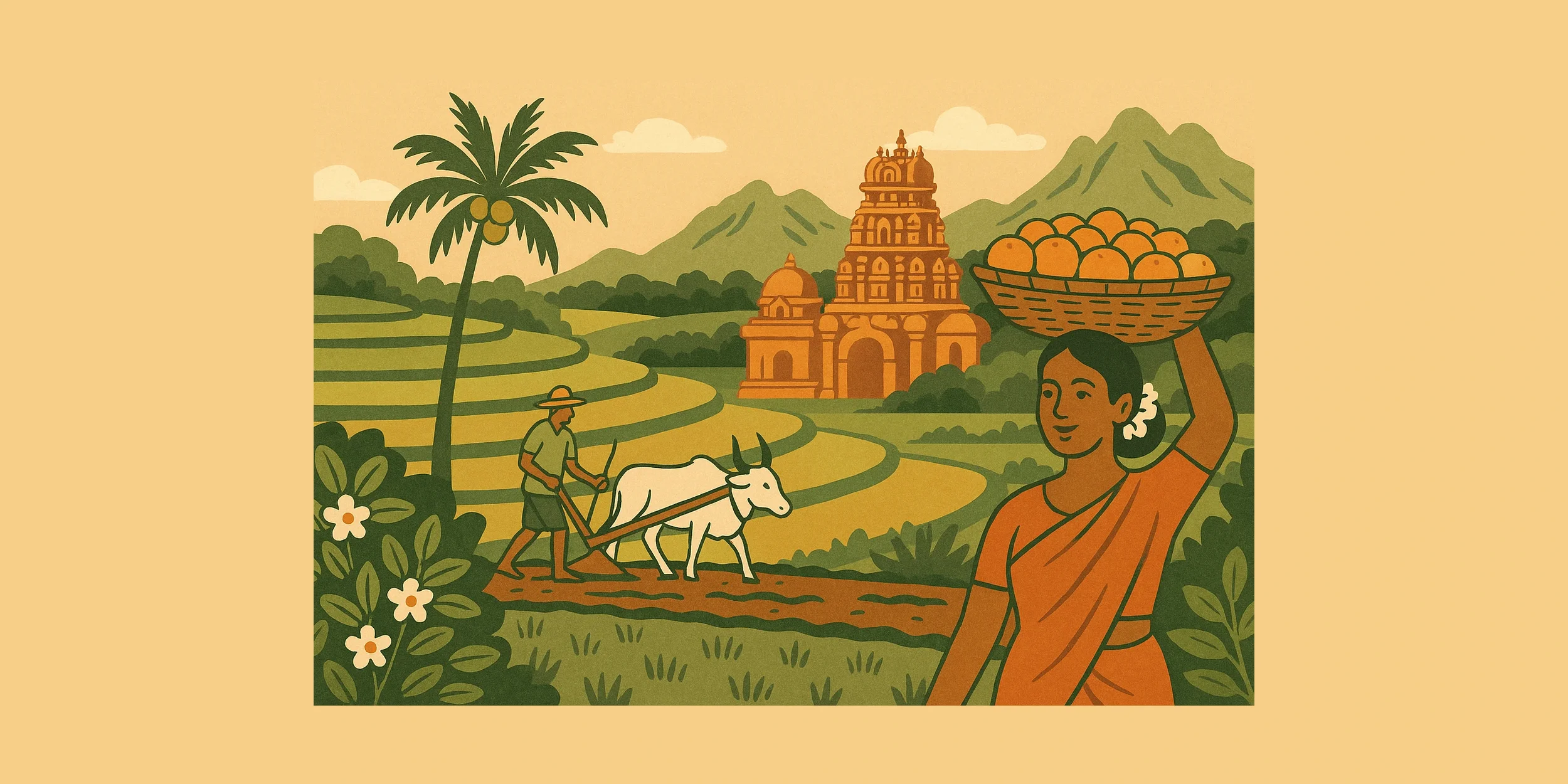
Spice gardens, rural life & the slower heart of the hills
Why visit Matale?
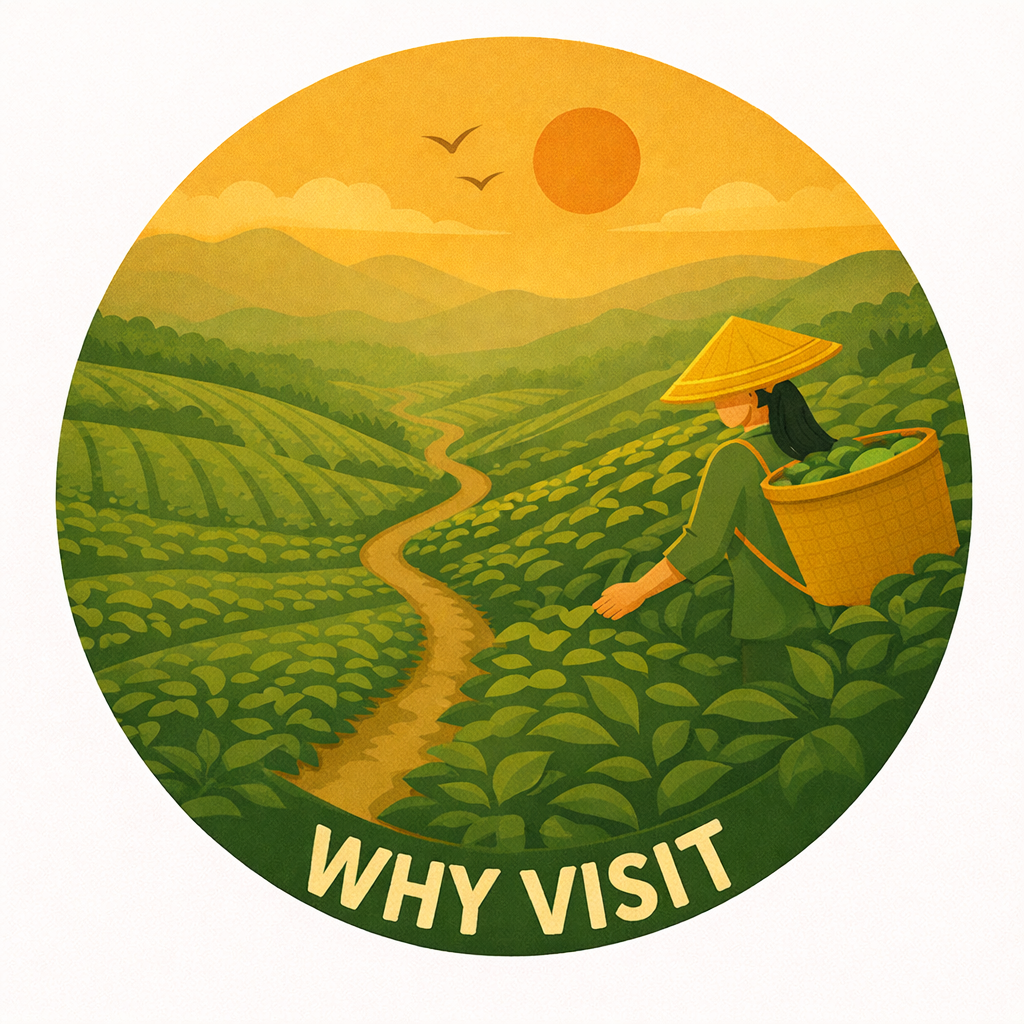
Matale is a useful cultural stop between Kandy and Dambulla, with Aluvihare Rock Temple, a colourful Hindu kovil and a busy local market. It also provides access towards Riverston and the northern side of the Knuckles Mountain Range.
A half-day suits the town’s main sights. Stay one or two nights if you want a slower countryside base, or allow a separate full day for a mountain outing. This guide covers what to do, where to stay and eat, and how to plan your visit.
Best things to do in Matale
Focus on a few worthwhile stops rather than filling the day with long drives. Aluvihare, the town market and Sri Muthumariamman Kovil make a practical cultural visit; Riverston needs its own day.
A simple one-day plan
Morning: Visit Aluvihare Rock Temple, then explore the town market and kovil when visitor access permits.
Afternoon: Have a local rice-and-curry lunch, then choose a spice garden visit or continue north towards Nalanda Gedige. Check timings with your driver and keep room for the onward journey.
1. Learn about Sri Lankan spices
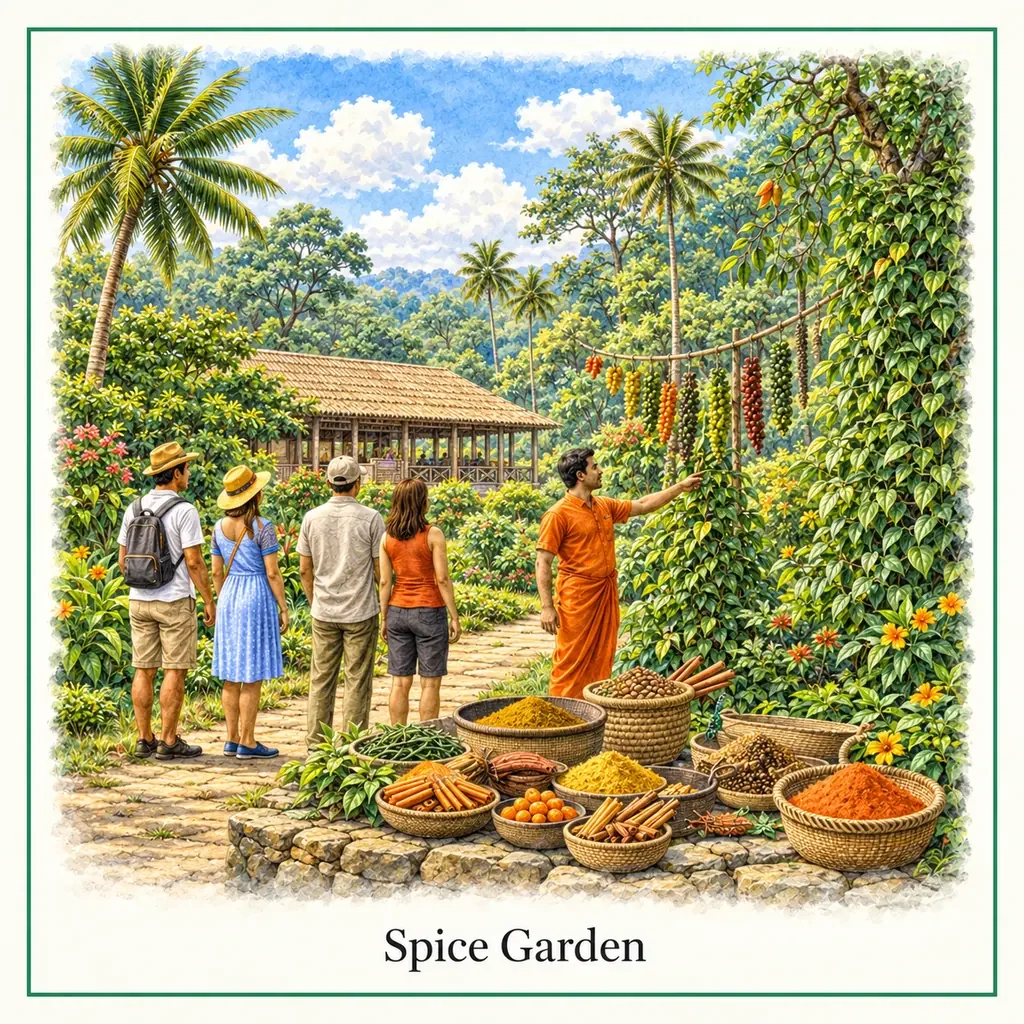
A spice garden can introduce plants such as cinnamon, pepper and cardamom. Ask about the visit format and any charge before starting. Some tours include a sales presentation; compare prices independently and buy only what you want.
2. Visit Aluvihare Rock Temple
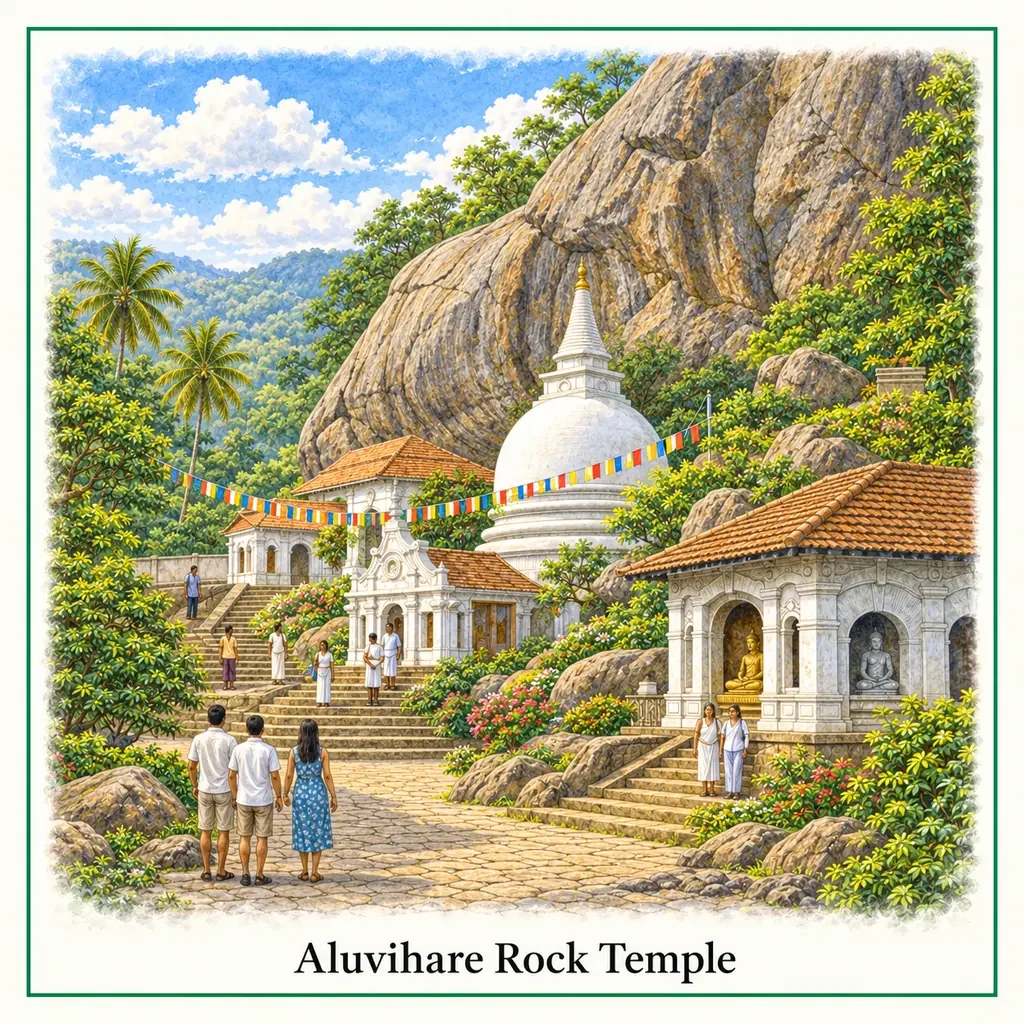
Aluvihare is associated with the writing down of Buddhist teachings on palm leaves. Explore the rock-temple setting at an unhurried pace and look for the cave paintings and statues. Cover shoulders and knees, remove shoes where required and ask before taking photographs inside.
3. Plan a separate Riverston day
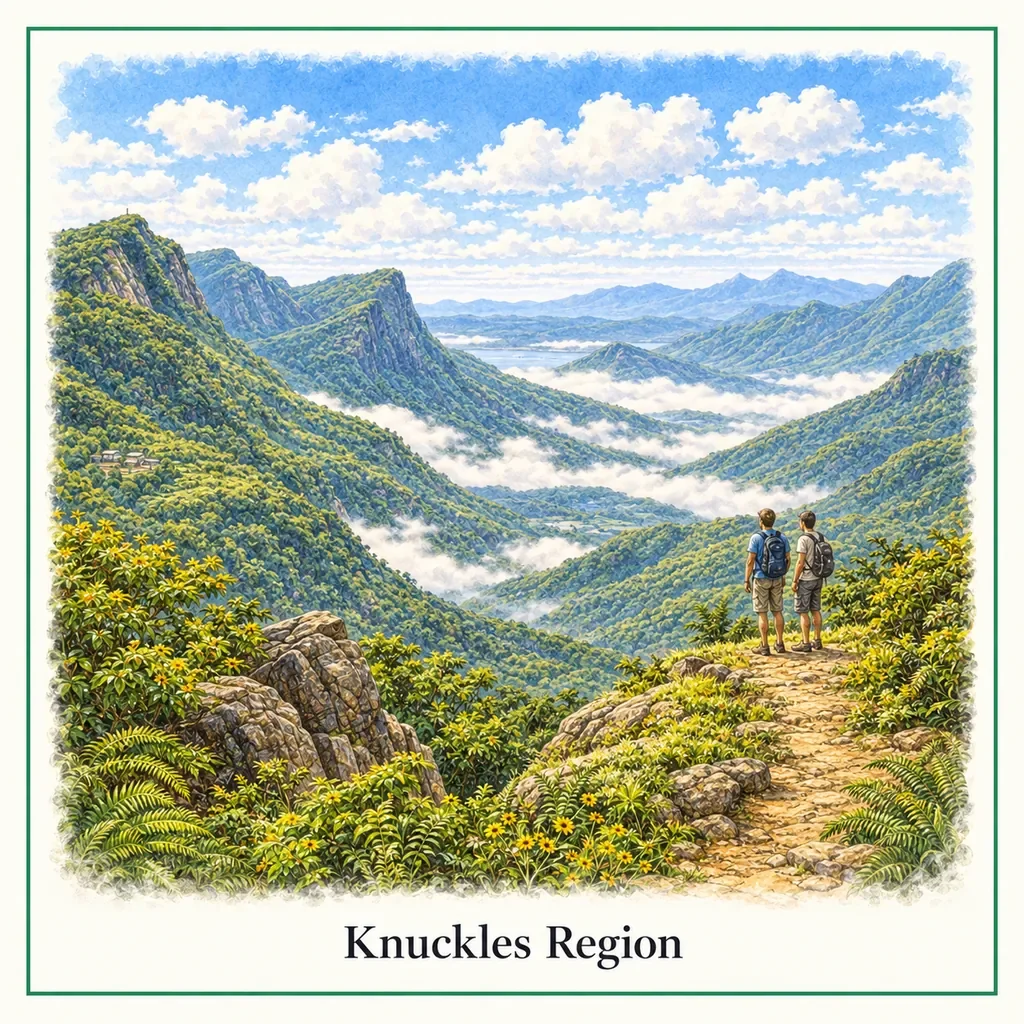
Riverston and Pitawala Pathana reveal the mountain landscapes beyond Matale. Roads are winding and conditions change quickly, so give the outing a full day and arrange transport in advance. Use a local guide for longer trails and confirm access before setting off.
4. Explore Matale market
The market offers a glimpse of daily shopping, with produce, spices and household goods. Visit in the morning, leave room for shoppers and ask before photographing stallholders. Carry small notes and keep valuables secure in busy areas.
5. Try a local rice-and-curry lunch
Look for a busy locally run place serving freshly prepared food. Rice and curry provides a useful introduction to seasonal vegetables, dhal and sambols. For vegetarian meals, ask specifically about dried fish, fish stock and other hidden ingredients.
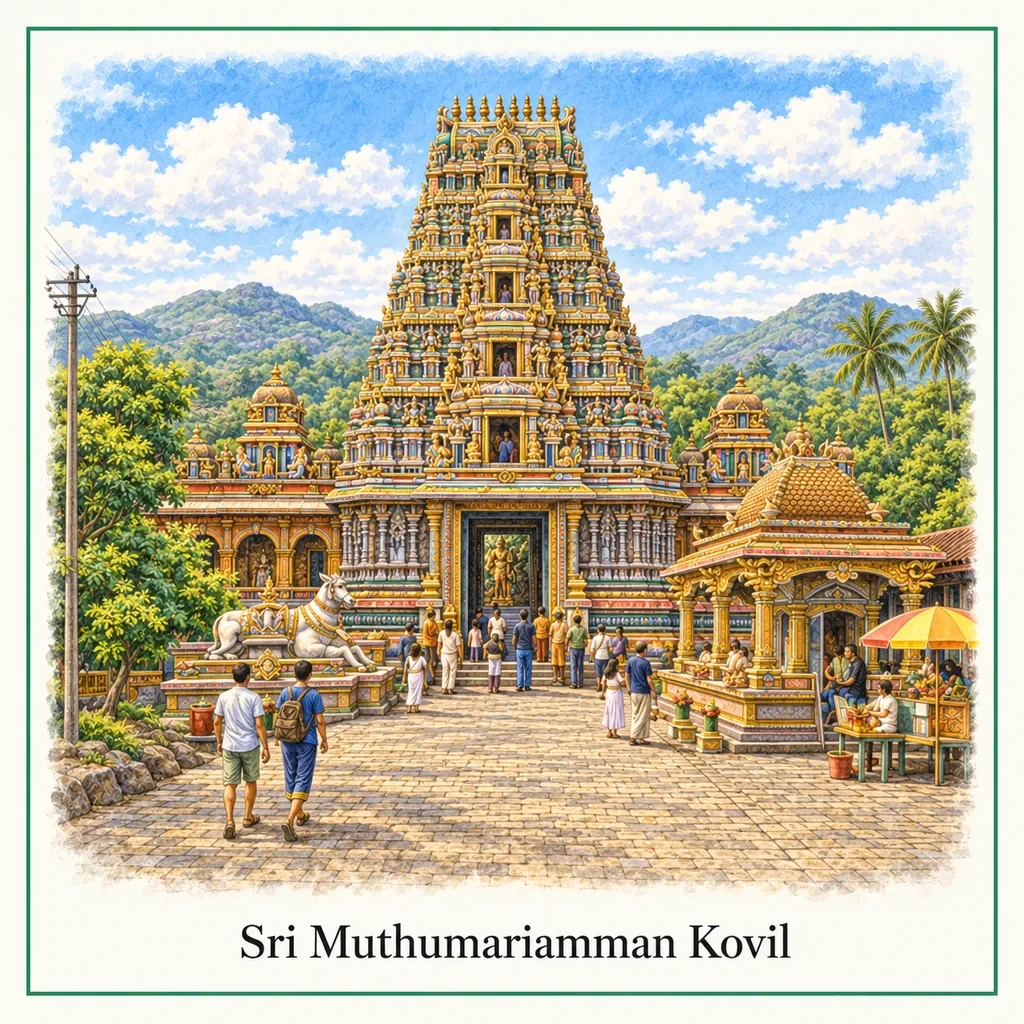
6. See Sri Muthumariamman Kovil
This Hindu temple adds another layer to Matale’s cultural story. Admire the colourful exterior and visit inside only when permitted. Follow staff guidance on dress, footwear, photography and access during worship.
7. Continue to Nalanda Gedige
North of Matale, Nalanda Gedige is a small stone monument with Buddhist and Hindu architectural influences. It can work as a stop on the route towards Dambulla. Confirm the detour with your driver rather than combining it with a rushed mountain day.

Essential Matale travel tips
Choose your pace: allow half a day for the town or stay longer for the countryside.
Dress for temples: cover shoulders and knees, and follow local footwear and photography rules.
Plan mountain trips separately: Riverston roads take time, and a longer hike needs a guide and suitable conditions.
Ask before a spice tour: confirm costs and any sales element before starting.
Carry cash and water: small shops and rural stops may have limited payment options.
Check onward transport: confirm current train or bus services close to departure.
Where to stay in Matale
Matale is a hidden gem in Sri Lanka’s hill country, located between Kandy and Dambulla. Known for its lush spice gardens, scenic mountain landscapes, and cultural sites like the Aluvihare Rock Temple, Matale offers a quieter and more authentic alternative to the busier tourist hubs nearby. It’s an ideal stop for travelers exploring the Cultural Triangle or heading into the Knuckles Mountains.
Staying in Matale is all about nature, tranquility, and local experiences. Many accommodations are set among spice plantations or hillsides, offering beautiful views and a relaxed atmosphere. Below, you’ll find the best places to stay in Matale, carefully selected for their setting, comfort, and unique character.
Best places to stay in Matale
Jim's Farm Villas
Jim’s Farm Villas is one of the most unique and sought-after stays in Matale, offering a boutique experience set within a working spice plantation. Each villa is individually designed, blending rustic charm with modern comfort. Surrounded by lush greenery, the property provides a peaceful and immersive environment. Guests can enjoy farm-to-table dining, nature walks, and personalized service throughout their stay. The tranquil setting makes it perfect for unwinding after a day of travel. With its focus on sustainability, design, and authenticity, Jim’s Farm Villas is an exceptional choice in Matale.
The Grand Mountain Hotel
The Grand Mountain Hotel offers a comfortable stay with scenic views over the surrounding hills. The rooms are spacious and well-equipped, providing a relaxing base for exploring the area. Guests can enjoy the swimming pool, restaurant, and peaceful atmosphere. The hotel’s location allows easy access to Matale’s main attractions and nearby destinations like Kandy. Its combination of comfort, convenience, and views makes it a popular choice for travelers passing through the region.
Hotel Spring View
Hotel Spring View is a practical and affordable option located close to the town center. The rooms are clean and comfortable, making it a convenient base for short stays. Guests can enjoy views of the surrounding hills and easy access to local attractions. The hotel offers a relaxed atmosphere and friendly service. It’s ideal for travelers looking for value and accessibility while exploring Matale and its surroundings.
Family stays in Matale
Strathisla Tea Estate Bungalow
Strathisla Tea Estate Bungalow offers a unique family stay within a scenic tea estate. The property provides plenty of space for children to explore, along with a peaceful and safe environment. Families can enjoy walks through the plantation and experience life on a tea estate. The bungalow-style accommodation adds to the charm and comfort. It’s a great option for families looking for something different in Matale.
Walawwa Guest House
Walawwa Guest House is a charming, small-scale property offering a warm and welcoming stay. The rooms are simple but comfortable, and the hosts are known for their hospitality. Guests can enjoy home-cooked meals and a relaxed, homely atmosphere. The property is surrounded by greenery, creating a शांत and peaceful environment. It’s a great option for travelers looking for an authentic experience in Matale without the formality of a hotel.
Luxury stays in Matale
Jim's Farm Villas
Jim’s Farm Villas stands out as the top luxury option in Matale, offering a boutique experience with a strong focus on design and sustainability. The villas are beautifully crafted, combining natural materials with modern comforts. Guests can enjoy personalized service, high-quality dining, and a tranquil setting. The surrounding plantation adds to the exclusivity and charm. It’s ideal for travelers seeking a refined and unique stay.
Riverston Holiday Home Stay
Riverston Holiday Home Stay offers a more intimate and nature-focused luxury experience. The property provides comfortable accommodations with stunning views of the surrounding hills. Guests can enjoy personalized service and easy access to nature trails. It’s ideal for travelers looking for a peaceful retreat near Matale.
Unique & eco stays in Matale
Strathisla Tea Estate Bungalow
Strathisla Tea Estate Bungalow offers a unique stay within a working tea plantation. The experience allows guests to connect with nature and local traditions. The peaceful setting and simple design create an authentic atmosphere. It’s a great option for travelers seeking a meaningful and scenic stay.
Jim's Farm Villas
Jim’s Farm Villas is also a leader in eco-friendly and sustainable travel in Matale. The property operates with a strong focus on environmental responsibility, including organic farming and low-impact design. Guests can experience life on a working farm while enjoying comfort and style. It’s perfect for those who value sustainability and authenticity.
Where to eat in Matale
For a straightforward local meal, look for a busy rice-and-curry restaurant in town. Choose freshly cooked dishes and ask what is available before sitting down; smaller eateries may serve a limited daily selection.
Breakfast and lunch
Look for hoppers, roti or other freshly prepared breakfast dishes, then rice and curry at lunchtime. Ask about spice levels and ingredients rather than assuming every vegetable dish is vegetarian.
Countryside stays
If you stay outside town, arrange dinner through your accommodation before heading out. Estate and boutique properties may require advance reservations or restrict dining to resident guests.
Opening days, menus and payment options change. Check directly on the day and read our Sri Lanka travel tips for more practical advice.
How to get to Matale
From Kandy
Matale is north of Kandy. A car or taxi offers flexibility for temple stops and accommodation outside town. Public buses also link the towns; check the current departure point locally.
By train
Matale is on the branch line from Kandy. Check the current Sri Lanka Railways timetable and service status before planning around a train; services and connections can change.
From Dambulla or Sigiriya
A road transfer can include Matale on the way south towards Kandy. Agree on stops, luggage storage and the total fare in advance.
Getting around
Use a tuk-tuk for local sights and a driver for longer mountain outings. Confirm the exact hotel location: a countryside stay can be much farther from town than its Matale address suggests.
Best time to visit Matale
Matale’s cultural sights can fit into a Sri Lanka trip throughout the year, provided you plan around the day’s weather. Carry rain protection and use cooler morning hours for walking around town.
For temples and town visits
Keep the schedule flexible enough to pause during heavy rain or heat. Religious events can affect access and crowds, so check locally before visiting.
For Riverston and the Knuckles
Mountain conditions can differ from Matale town. Ask your guide about recent rainfall, visibility, road access and the forecast for the exact route. Be willing to shorten or postpone an outing when conditions are unsuitable.

Local perspective: Matale beyond the road stop
Matale’s interest lies in the overlap of agriculture, trade and living religious traditions. Aluvihare’s Buddhist heritage, the Hindu kovil and the everyday market offer different ways to understand the town.
Give each place time, ask before photographing people and choose locally run meals or guiding where practical. A spice garden visit is most useful when it explains the plants and growing methods; shopping should remain optional.
Continue towards Dambulla for cave temples or the Knuckles Mountain Range for a planned hiking stay.
FAQ – Discover Matale, Sri Lanka
-
Matale is often passed through — but rarely truly experienced. Located between Kandy and the Cultural Triangle, this region offers lush landscapes, spice gardens, and a glimpse into everyday Sri Lankan life. It’s a place where you slow down, step away from the main tourist route, and discover something more local and authentic.
-
One of the highlights is visiting a traditional spice garden, where you’ll learn about Sri Lanka’s famous herbs and spices. Explore the colorful Sri Muthumariamman Temple, and take time to enjoy the surrounding countryside — filled with hills, small villages, and hidden viewpoints.
-
It’s often treated that way, but Matale has much more to offer if you stay a little longer. It’s quieter and less touristy, making it ideal for travelers who want to experience local life beyond the main highlights.
-
We recommend staying 1 night. It’s the perfect short stop to break up the journey between Kandy and the Cultural Triangle, while adding a more local and relaxed experience to your itinerary.
Not sure how to fit Matale into your trip? Compare our 7 Day, 2 Week and 3 Week Sri Lanka Itineraries to see how it can work within a complete route.
-
Matale can be visited year-round. Its central location means the weather is fairly consistent, with occasional tropical showers keeping the landscape green and vibrant.
-
Yes, especially as a short and relaxed stop. Visiting a spice garden can be both fun and educational, and the slower pace makes it easy to travel with children.
For more practical advice, read our Sri Lanka with Kids Guide, or follow our complete 2 Week Sri Lanka Family Itinerary.
-
Matale is easily reached by private driver from Kandy (about 1 hour). It fits naturally into most travel routes through central Sri Lanka.
-
Definitely. Like much of Sri Lanka, Matale offers plenty of vegetarian-friendly dishes. Fresh vegetables, curries, and local ingredients are widely used, often prepared in simple, home-style settings.
Read our Vegetarian Food in Sri Lanka Guide for dishes to try, ordering tips and advice for vegetarian travellers.
-
We recommend staying in a small boutique hotel or guesthouse surrounded by nature. Many accommodations are set in peaceful areas with views over hills or gardens, offering a quiet break from busier destinations.
Looking for somewhere memorable? Our Extraordinary Places to Stay in Sri Lanka features some of the most unique accommodation experiences around the island.
-
Yes, Matale is a safe and welcoming destination. It’s less touristy, which often makes the experience feel even more genuine.
-
Matale stands out for its connection to Sri Lanka’s spice heritage and its authentic, everyday atmosphere. It’s not about big attractions — it’s about small, meaningful experiences and local encounters.
-
Matale pairs naturally with Kandy and the Cultural Triangle, including Sigiriya and Dambulla. It’s a perfect in-between stop that adds depth and variety to your route.
Continue exploring central Sri Lanka
Matale is perfectly placed between Kandy and Sri Lanka's Cultural Triangle. Continue planning with these guides:
Kandy Travel Guide — Temples, viewpoints and local markets.
Knuckles Mountain Range Guide — Discover spectacular hiking and mountain scenery.
Dambulla Travel Guide — Explore Sri Lanka's famous cave temple.
Sri Lanka Cultural Triangle Guide — Plan the ancient-city part of your journey.
Travelling for three weeks? See how Matale fits into our 3 Week Sri Lanka Itinerary.
More Sri Lanka inspiration