Polonnaruwa
Ancient ruins, open landscapes & living history

Why visit Polonnaruwa?
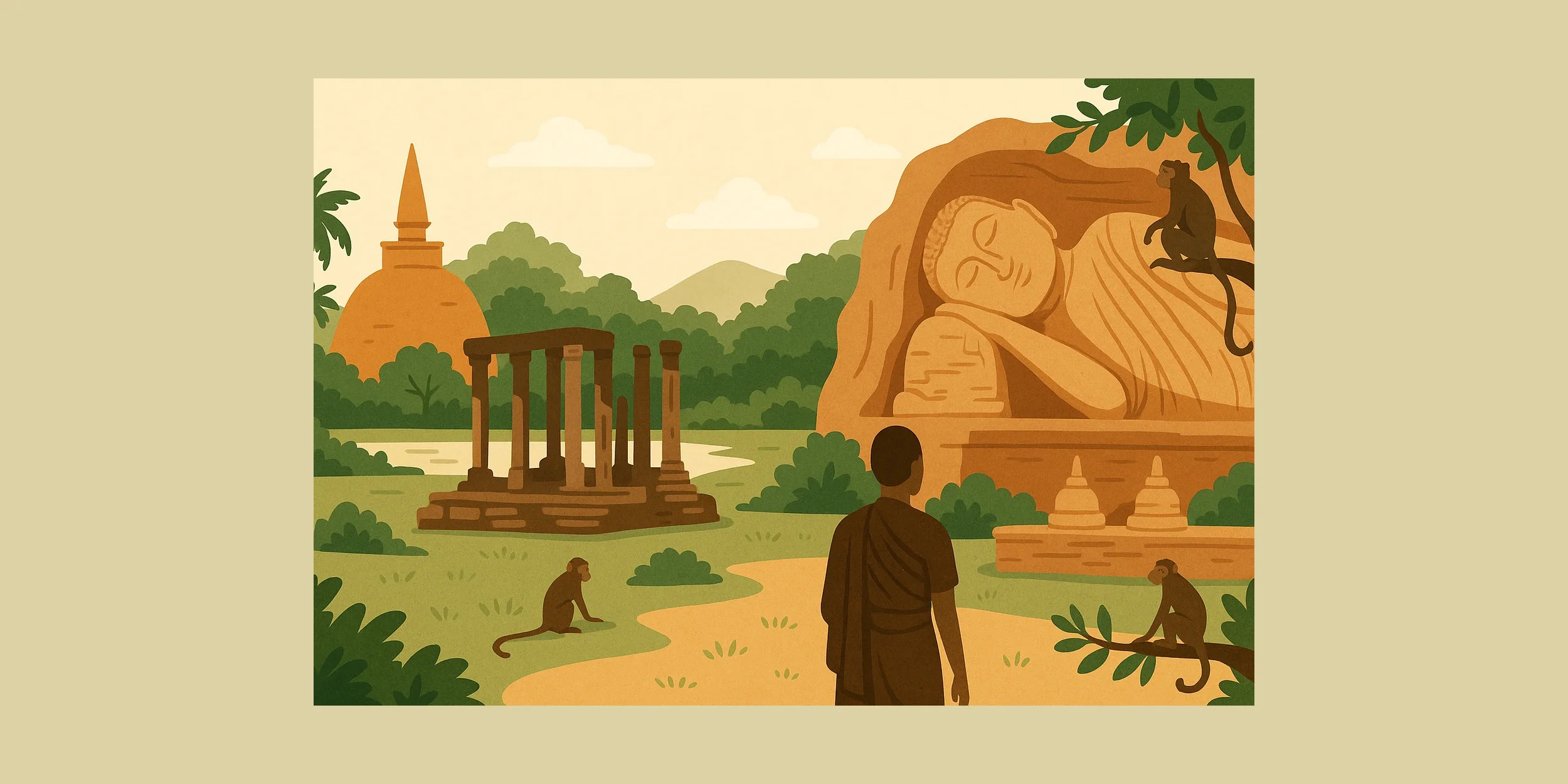
The UNESCO-listed Ancient City of Polonnaruwa brings together palace ruins, Buddhist monuments and the rock-cut Buddha figures at Gal Vihara. It was Sri Lanka’s second capital after Anuradhapura and reached a major period of development in the 12th century.
Allow most of a day for the main archaeological area. Stay one or two nights for an early start, or visit from a Cultural Triangle base with a driver. This guide covers the key sights, a realistic day plan, where to stay and practical advice for exploring respectfully.
Best things to do in Polonnaruwa
The monuments are spread over a large area. Choose a bicycle, tuk-tuk or driver to link the main groups, and consider a local guide if you want more historical context.
A practical one-day plan
Morning: Start early with the museum or ticket arrangements, then explore the Royal Palace area and Sacred Quadrangle.
Later: Continue to the northern monument groups and Gal Vihara, pausing for shade and water. Finish with a quieter view over Parakrama Samudra if time and energy allow.
Confirm the current ticket procedure and route locally before setting out. Do not try to fit every ruin into a rushed, overheated visit.

1. Explore the Sacred Quadrangle
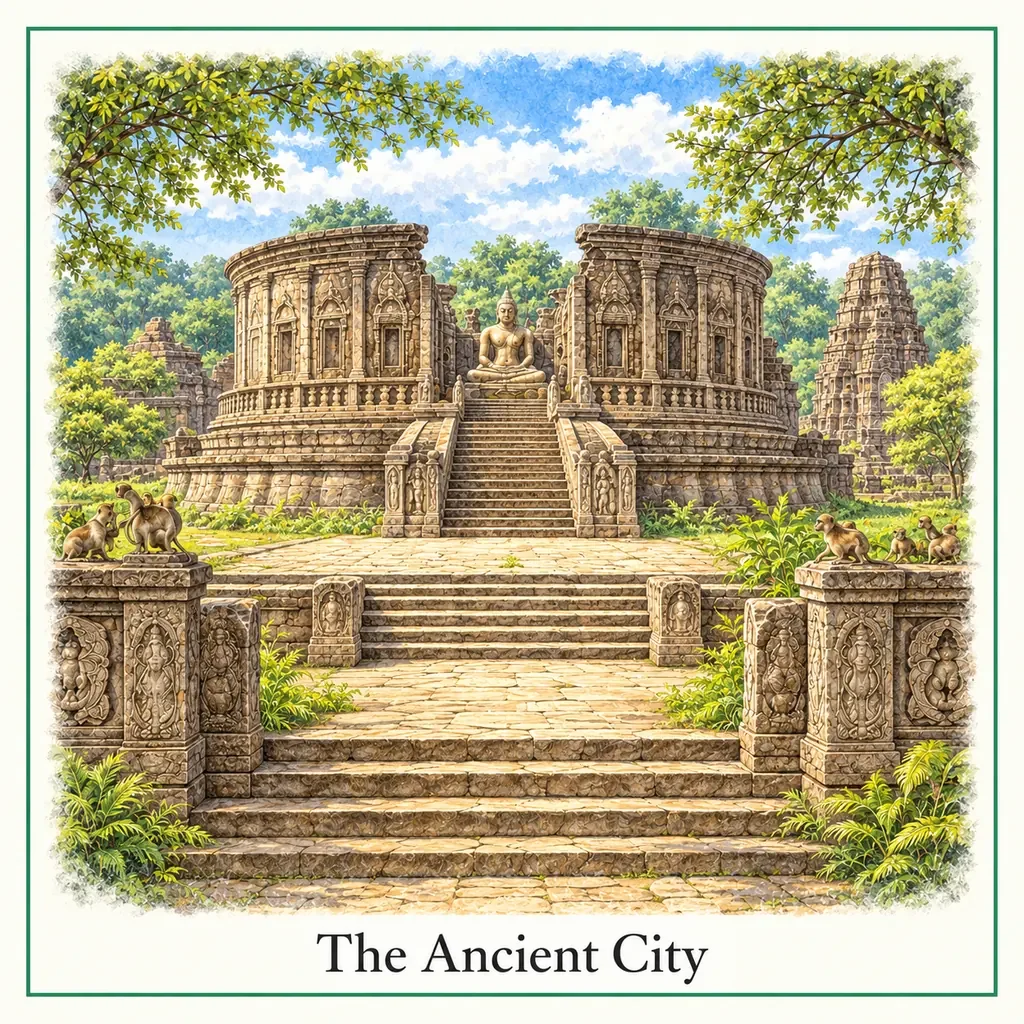
The Sacred Quadrangle is a key group of religious monuments within the ancient city. Take time to notice the stonework, platforms and surviving architectural details. A guide or museum visit helps explain how these buildings related to one another.
Follow signs at sacred areas, remove footwear where required and avoid climbing or sitting on ancient structures.
2. See the Buddha figures at Gal Vihara
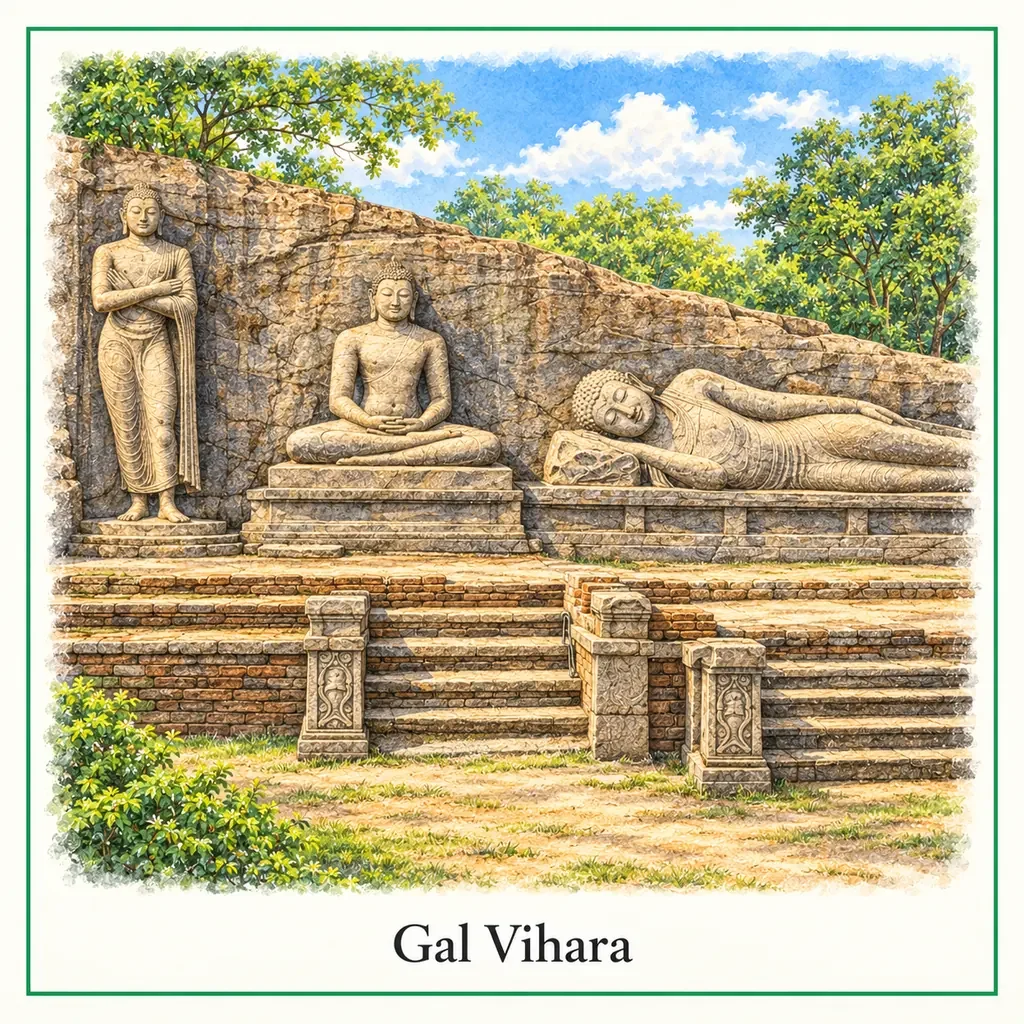
Gal Vihara’s rock-cut figures are among Polonnaruwa’s most important monuments. View them quietly and give worshippers space. Dress modestly, follow footwear rules and respect local guidance on posing and photography around Buddha images.
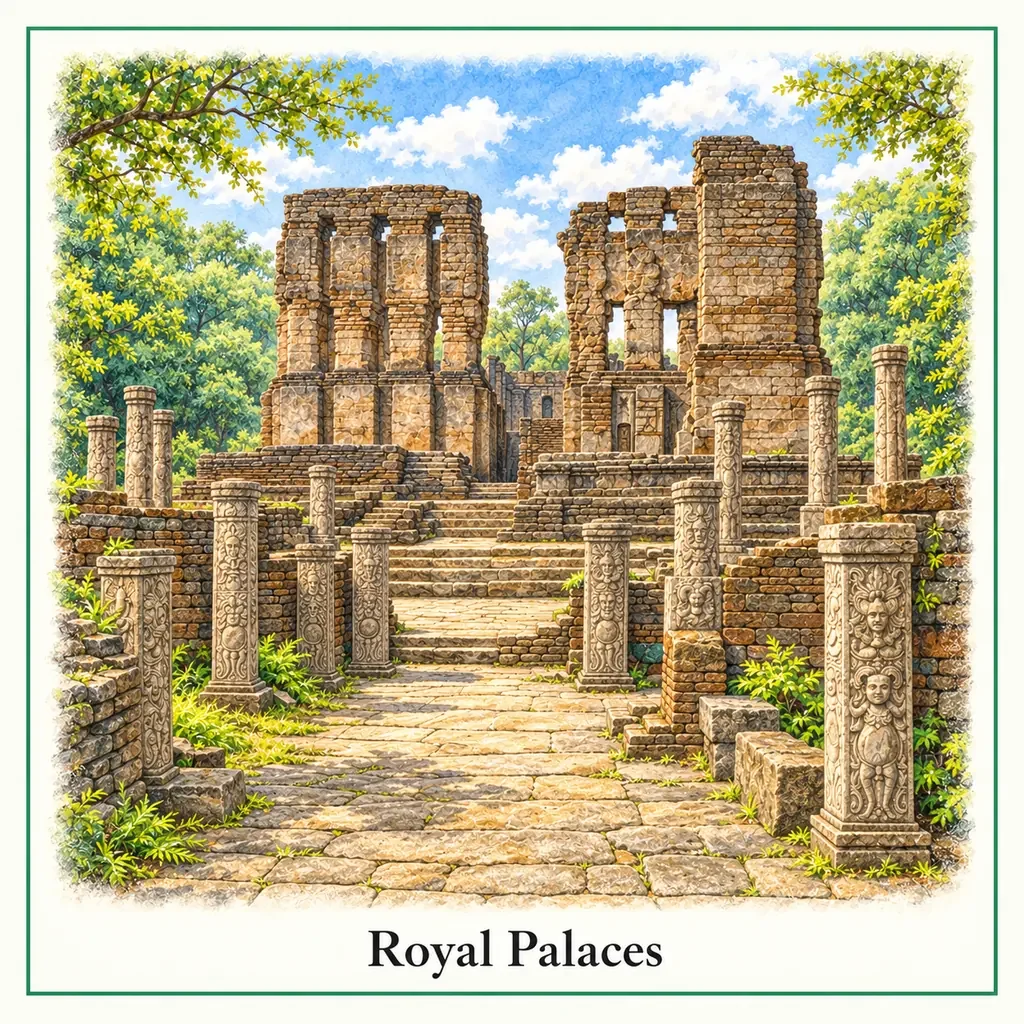
3. Visit the Royal Palace area
The palace ruins and nearby civic remains reveal another side of the medieval capital. Look at the surviving walls and layout rather than expecting intact buildings. A local guide can help distinguish what survives from what has been reconstructed or interpreted.
4. Pause by Parakrama Samudra
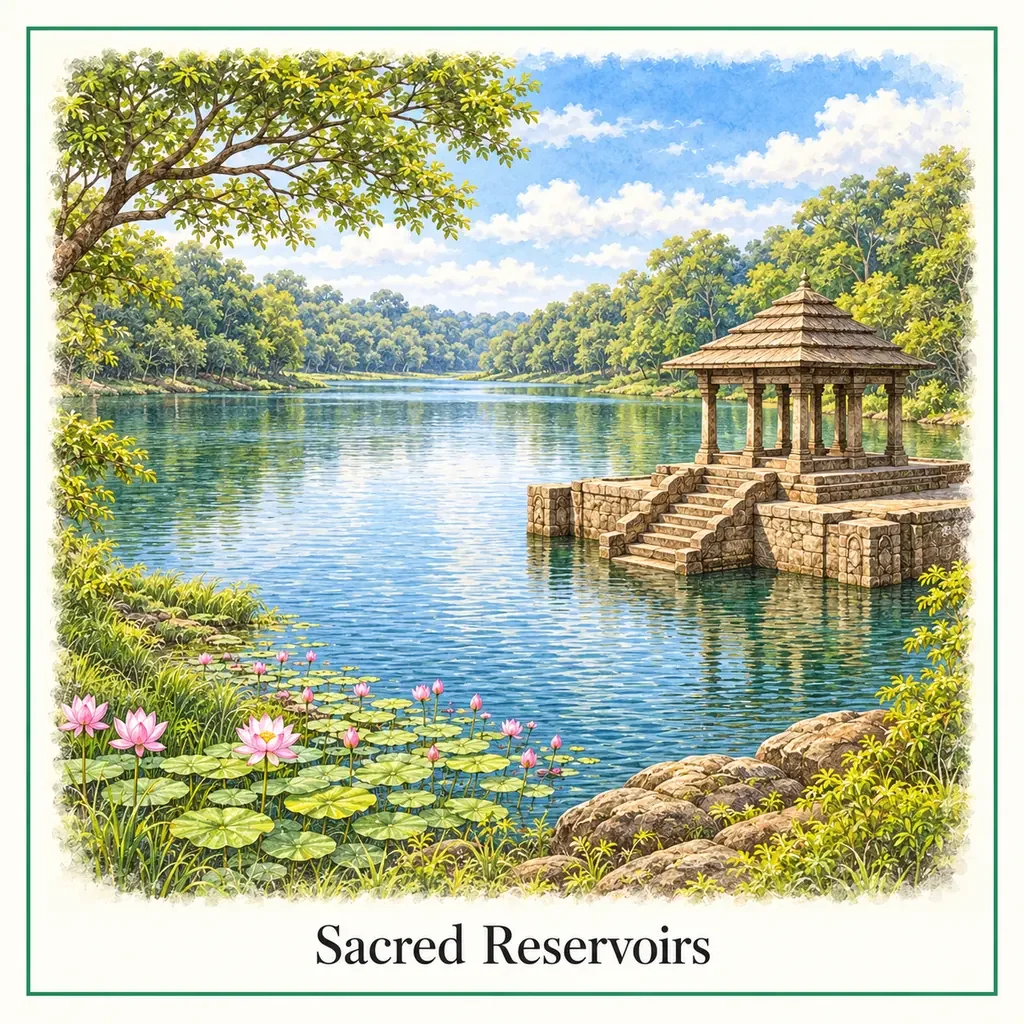
The reservoir helps place the ancient city in its wider landscape. Visit an accessible public viewpoint for a quieter break and notice how water management connects the ruins with the surrounding agricultural region. Stay clear of restricted works and avoid treating the reservoir as a swimming stop.

5. Cycle between monument groups
A bicycle can work well if you are comfortable riding in heat and on mixed surfaces. Check brakes, tyres and the lock before renting. Carry water, park only where allowed and switch to a tuk-tuk or driver if the weather or distances do not suit you.

6. Make time for the museum and a lunch break
The archaeological museum can add context to the city’s layout and surviving objects. Confirm current opening and ticket arrangements before planning your route. Break for a freshly prepared local lunch and shade rather than pushing through the hottest part of the day.

Essential Polonnaruwa travel tips
Start early: allow most of a day and take regular shade breaks.
Check tickets: use the Central Cultural Fund’s current information and confirm the collection procedure.
Choose transport: a bicycle, tuk-tuk or driver links the spread-out monument groups.
Dress for sacred sites: cover shoulders and knees and follow footwear rules.
Protect the ruins: do not climb, lean on carvings or sit on monuments.
Carry water and socks: exposed stone can become very hot where shoes must be removed.
Keep food secure: do not feed monkeys or other wildlife.

Where to stay in Polonnaruwa
Polonnaruwa is one of Sri Lanka’s most impressive cultural destinations, known for its well-preserved ancient ruins and UNESCO World Heritage status. As the island’s second ancient capital, it offers a fascinating glimpse into Sri Lanka’s history, with temples, statues, and royal palaces spread across a vast archaeological park. The area is also surrounded by lakes, wildlife, and peaceful countryside.
Staying in Polonnaruwa is all about tranquility, nature, and easy access to the ancient city. Most accommodations are located just outside the ruins, offering a relaxed atmosphere. Below, you’ll find the best places to stay in Polonnaruwa, carefully selected for their comfort, location, and overall experience.
Best places to stay in Polonnaruwa
Hotel Sudu Araliya
Hotel Sudu Araliya is one of the most popular hotels in Polonnaruwa, offering a comfortable stay near Parakrama Samudra lake. The spacious rooms provide a relaxing environment, many with views of the water. Guests can enjoy the large swimming pool, restaurant, and peaceful surroundings. Its location makes it easy to explore the ancient ruins by bike or tuk-tuk. The combination of comfort, scenic views, and convenience makes it a top choice for travelers visiting Polonnaruwa.
👉 Check availability & prices at Hotel Sudu Araliya
Deer Park Hotel
Deer Park Hotel offers a unique stay surrounded by nature, with frequent sightings of wildlife in the area. The property is set in a quiet location close to the archaeological site, making it ideal for exploring the ruins. Rooms are comfortable and spacious, designed to blend with the natural environment. Guests can relax by the pool or enjoy the peaceful atmosphere after a day of sightseeing. It’s a great option for travelers looking for a calm and nature-focused stay.
👉 Check availability & prices at Deer Park Hotel
Lavendish Lake Giritale
Lavendish Lake Giritale is a well-known property offering stunning views over Giritale Lake. The hotel’s elevated position provides a scenic and शांत environment, perfect for relaxation. Rooms are simple but comfortable, and the pool area is a highlight. Its location between Polonnaruwa and Minneriya makes it a convenient base for both cultural visits and safaris. The peaceful setting and beautiful views make it a memorable stay.
Family stays in Polonnaruwa
EKHO Lake House Polonnaruwa
EKHO Lake House is suitable for families seeking a quieter and more intimate stay. The rooms are comfortable, and the calm atmosphere allows for relaxation after sightseeing. Its location near the lake and ruins adds to its appeal. It’s a great option for families who prefer a smaller-scale hotel.
👉 Check availability & prices at EKHO Lake House Polonnaruwa
Deer Park Hotel
Deer Park Hotel is a great option for families who enjoy nature and wildlife. The peaceful surroundings and open spaces provide a safe environment for children to explore. The pool offers a fun way to cool off after visiting the ruins. The relaxed atmosphere makes it easy for families to unwind together. It’s perfect for those looking for a calm and scenic stay.
Luxury stays in Polonnaruwa
Lavendish Lake Giritale
Lavendish Lake Giritale is a well-known property offering stunning views over Giritale Lake. The hotel’s elevated position provides a scenic and शांत environment, perfect for relaxation. Rooms are simple but comfortable, and the pool area is a highlight. Its location between Polonnaruwa and Minneriya makes it a convenient base for both cultural visits and safaris. The peaceful setting and beautiful views make it a memorable stay.
👉 Check availability & prices at Lavendish Lake Giritale
Hotel Sudu Araliya
Hotel Sudu Araliya also fits into the luxury category for its facilities and scenic location. The large pool, comfortable rooms, and lake views create a relaxing environment. It’s a great option for those wanting a full-service hotel experience.
Unique & eco stays in Polonnaruwa
Livinginn Polonnaruwa
Livinginn Polonnaruwa is a small eco-conscious guesthouse offering a simple and authentic stay. The property focuses on sustainability and local hospitality, creating a warm and welcoming environment. It’s a great option for travelers looking for a meaningful and budget-friendly experience.
👉 Check availability & prices at Livinginn Polonnaruwa
Deer Park Hotel
Deer Park Hotel stands out for its природная surroundings and eco-friendly approach. The property blends into the environment, allowing guests to experience wildlife and nature up close. It’s a great choice for travelers seeking a sustainable stay.

Where to eat in Polonnaruwa
Plan a proper lunch break outside the monument visits. Local rice and curry is a practical choice, while hotels and guesthouses can offer an easier evening meal after a long day exploring.
During your sightseeing day
Ask your driver or accommodation for a nearby place serving freshly prepared food. Confirm the menu, price and any dietary requirements before ordering.
Vegetarian options
Dhal, vegetable curries and coconut-based dishes can provide plenty of choice, but ask about dried fish and stock. Carry a snack and enough drinking water for the archaeological area.
For accommodation outside town, arrange dinner and the return journey in advance. Current opening hours and menus should be checked directly.

How to get to Polonnaruwa
By car or driver
A road transfer is the most flexible option from Sigiriya, Habarana, Dambulla or another Cultural Triangle base. Agree on the sightseeing route, waiting time and full return fare before departure.
By train or bus
Public transport can take you to the modern town, but you will need a local connection to the archaeological area and your accommodation. Check current services and station or bus-stop locations before travelling.
Getting around the ruins
The monuments are spread out. Rent a suitable bicycle or arrange a tuk-tuk or driver, and confirm where you will meet after each stop. A walking-only visit is demanding in the heat.
Combine the region with Sigiriya, Dambulla or Minneriya National Park over several days.
Best time to visit Polonnaruwa
Plan the day around heat as well as rain. Early starts make exposed ruins more comfortable, while shaded breaks and a flexible route help in every season.
For sightseeing
Check the local forecast shortly before your visit and carry both sun and rain protection. Heavy showers can make surfaces slippery, while bright conditions heat bare stone quickly.
For a wider Cultural Triangle trip
Choose dates around your whole route rather than one monument. Keep a spare slot for weather and avoid placing a long ruins visit immediately after a tiring transfer.

Local perspective: preserve a living heritage
Polonnaruwa is both an archaeological landscape and a place where religious traditions remain important. Ancient monuments deserve care, and visitors share the site with worshippers, staff and local communities.
Use permitted paths, follow footwear rules and avoid touching carvings or climbing ruins. Ask before photographing people and respect local guidance around Buddha images. A qualified local guide can help explain the city’s history without reducing the visit to a series of photo stops.
Continue your journey through the Cultural Triangle with enough time to appreciate each site.
FAQ – Discover Polonnaruwa, Sri Lanka
-
Polonnaruwa offers a unique window into Sri Lanka’s ancient past — but in a way that feels calm, open, and easy to explore. Compared to other historic sites, it’s less overwhelming and more accessible, with beautifully preserved ruins spread across a peaceful, green landscape.
-
Exploring the ancient city by bicycle is one of the best ways to experience Polonnaruwa. Visit the impressive Royal Palace, the sacred Quadrangle, and the iconic Gal Vihara Buddha statues carved into rock. Along the way, you’ll pass lakes, temples, and quiet pathways.
-
Polonnaruwa is more compact and easier to navigate, making it ideal if you prefer a more structured and relaxed exploration. Anuradhapura feels larger and more spiritual, while Polonnaruwa feels more like an open-air museum with clearly defined highlights.
-
We recommend staying 1 night or visiting as a day trip. It’s enough time to explore the main archaeological sites at a comfortable pace.
Not sure how to fit Polonnaruwa into your trip? Compare our 7 Day, 2 Week and 3 Week Sri Lanka Itineraries to see how it can work within a complete route.
-
The best time to explore is early in the morning or late afternoon to avoid the heat. The region is generally driest from May to September, but it can be visited year-round.
Travelling between April and November? Explore our April to November Sri Lanka Itinerary for a route designed around this part of the year.
-
Yes, especially for families with children who enjoy cycling and outdoor exploration. The flat terrain and open spaces make it relatively easy and fun to explore together.
For more practical advice, read our Sri Lanka with Kids Guide, or follow our complete 2 Week Sri Lanka Family Itinerary.
-
Cycling is the most popular and enjoyable way to get around. Alternatively, you can explore with a private driver or guide if you prefer a more relaxed experience.
-
Yes, you’ll find several local restaurants offering vegetarian-friendly Sri Lankan dishes. Meals are typically simple, fresh, and full of flavor.
Read our Vegetarian Food in Sri Lanka Guide for dishes to try, ordering tips and advice for vegetarian travellers.
-
We recommend staying in a small hotel or guesthouse surrounded by greenery, often near the ancient city or by one of the lakes. It adds to the peaceful atmosphere of the destination.
-
Yes, Polonnaruwa is a safe and relaxed destination. As always, it’s important to stay hydrated and protect yourself from the sun while exploring.
-
Polonnaruwa stands out for how accessible its history feels. You can walk or cycle through centuries-old ruins without crowds, often feeling like you have the place almost to yourself.
-
Polonnaruwa is part of Sri Lanka’s Cultural Triangle and pairs perfectly with Sigiriya, Dambulla, and Anuradhapura. It also works well in combination with a safari in Minneriya or Kaudulla National Park.
Continue exploring Sri Lanka's Cultural Triangle
Ready to discover more of Sri Lanka's ancient heart? Continue your journey with these guides:
Sri Lanka Cultural Triangle Guide — Plan the highlights of the entire region.
Sigiriya Travel Tips Guide — Explore one of Sri Lanka's most iconic landmarks.
Dambulla Travel Guide — Visit the spectacular Dambulla Cave Temple.
Minneriya National Park Guide — Combine ancient ruins with an elephant safari.
Planning your complete route? Explore our 2 Week and 3 Week Sri Lanka Itineraries.
More Sri Lanka inspiration