
Sigiriya
Ancient rock fortress & timeless landscapes
Why visit Sigiriya?
Sigiriya combines one of Sri Lanka’s most distinctive heritage sites with a relaxed Cultural Triangle base. The UNESCO-listed rock fortress preserves the remains of King Kassapa I’s fifth-century capital, reached through gardens and a series of steep stairways.
Stay two or three nights to visit Lion Rock, explore the countryside and add Dambulla or a Minneriya safari without rushing. This guide covers the main sights, a two-day plan, where to stay and practical climbing advice.

Best things to do in Sigiriya
Build your stay around Lion Rock and choose one or two additional outings. Heat, stairs and driving distances make a lighter schedule more enjoyable.
A practical two-day plan
Day 1: Visit Sigiriya Rock early within the current opening arrangements, explore the gardens and museum, then rest during the hottest hours.
Day 2: Choose Pidurangala if its rocky ascent suits you, or visit Dambulla’s cave temples. Add an afternoon safari only if you have enough energy and travel time.
With a third day, spread the activities out and leave room for local walks or a pool afternoon.

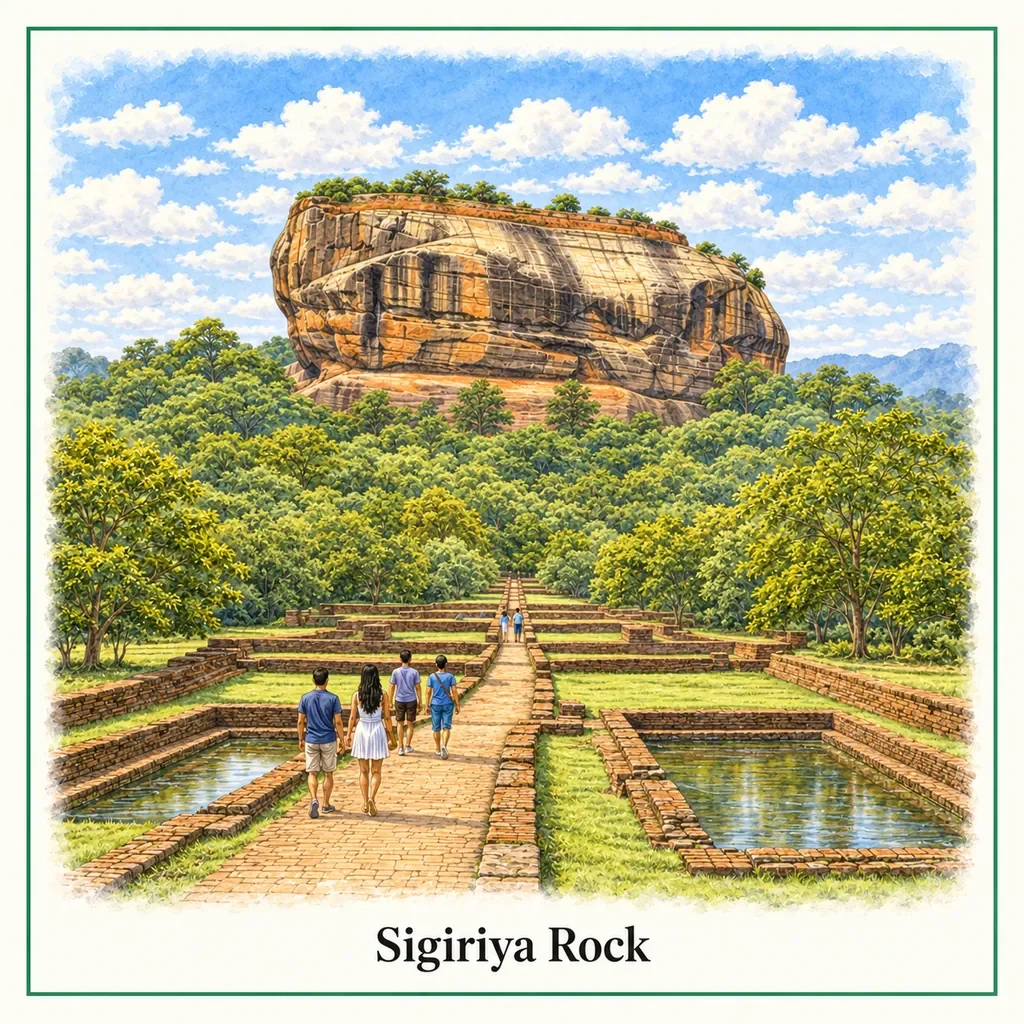
1. Climb Sigiriya Rock Fortress
The ascent links gardens, galleries, the Lion Gate and the summit ruins. Expect roughly 1,200 steps, steep sections and exposed stairs. Allow several hours for the wider visit rather than treating the climb as a quick viewpoint stop.
Before you go: check current Central Cultural Fund ticket and entry information, start in cooler hours, wear grippy shoes and carry water. Follow staff instructions, including any temporary restrictions, and keep photography within the permitted areas.
2. Consider Pidurangala Rock
Pidurangala offers a different view of the landscape and Sigiriya Rock. It is also a Buddhist temple site, so cover shoulders and knees and follow footwear rules in sacred areas.
The upper route includes rough rock and scrambling, making it unsuitable for some visitors. Check the current path and weather locally, use suitable footwear and avoid exposed edges. Do not assume a sunrise climb in darkness is the right choice for your group.


3. Explore the gardens and museum
The gardens are part of Sigiriya’s significance, with water features, stonework and planned spaces that reward a slower look. Give them time before or after the climb. The museum can add context; confirm current access and ticket inclusions before planning your route.
4. Explore the countryside with a local guide
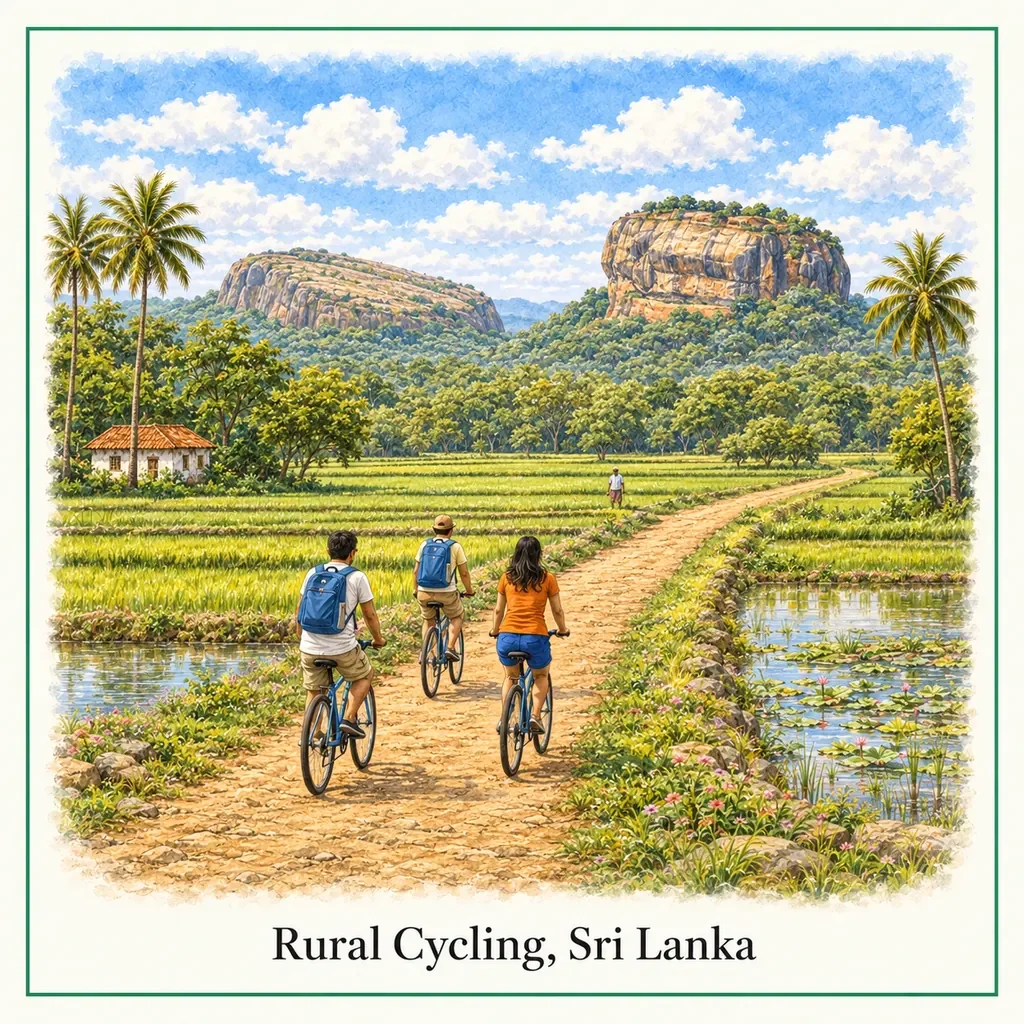
A village walk or cycle ride adds a slower perspective beyond the main attractions. Choose a route and pace that suit you, ask permission before entering private land and agree on what is included. Avoid experiences that stage wildlife handling or use animals for entertainment.
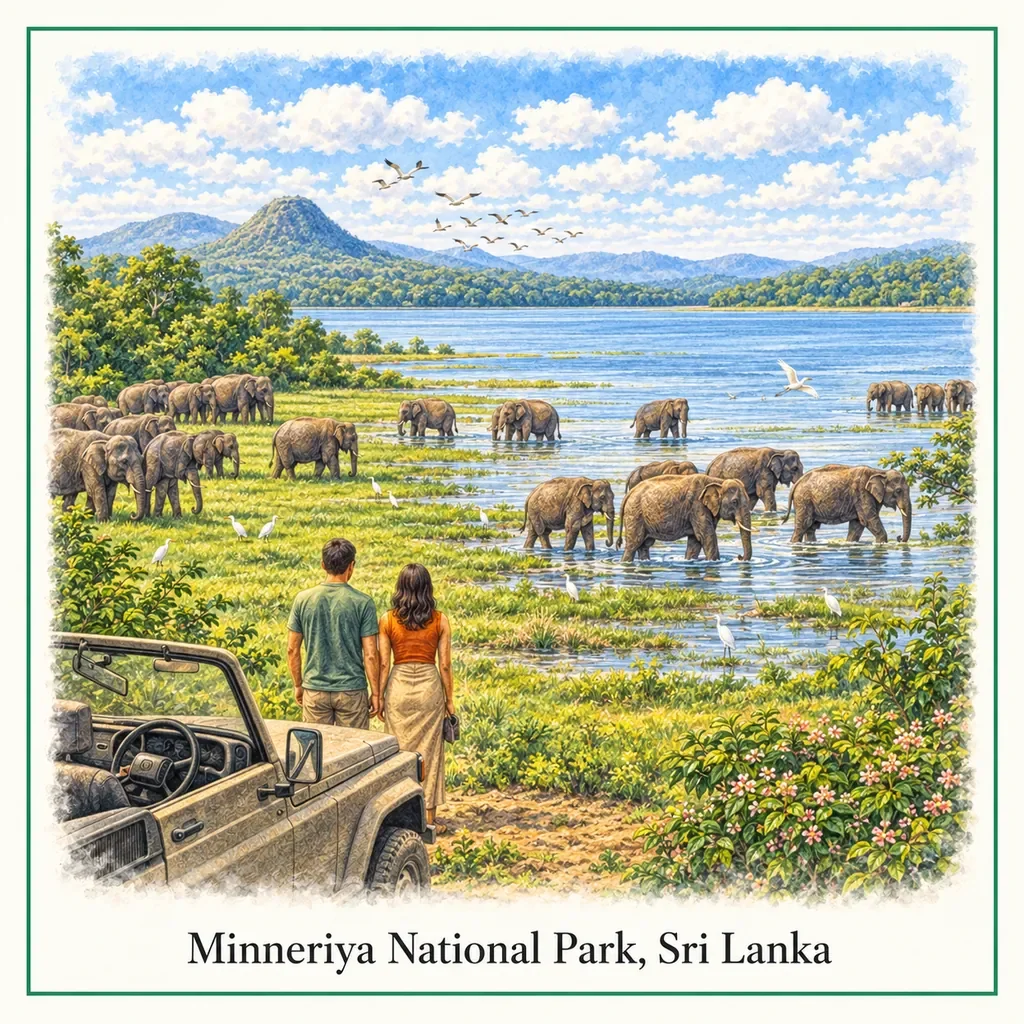
5. Add a responsible wildlife safari
Minneriya and other nearby protected areas can be reached from the wider Sigiriya region. Ask a reputable operator which park suits current wildlife movements and conditions, and confirm tickets, pickup and return time.
Choose careful driving and respectful viewing distances. Sightings are never guaranteed, and a park change should be explained before departure.

Essential Sigiriya travel tips
Start in cooler hours: check current opening arrangements before setting out.
Check official tickets: use current Central Cultural Fund information rather than old prices.
Prepare for stairs: wear grippy shoes, carry water and assess whether the climb suits your group.
Respect sacred areas: dress appropriately at Pidurangala and nearby temples.
Follow restrictions: staff instructions and photography rules protect visitors and heritage.
Allow two or three nights: spread climbs, temples and safaris over several days.
Plan evening travel: arrange transport for remote stays and follow local wildlife advice.

Where to stay in Sigiriya
Sigiriya is one of Sri Lanka’s most famous destinations, known for the iconic Sigiriya Rock Fortress, a UNESCO World Heritage Site. Surrounded by jungle, lakes, and ancient ruins, this area is at the heart of the Cultural Triangle. Visitors come here for history, nature, and incredible views, especially at sunrise and sunset.
Staying in Sigiriya is all about location, nature, and atmosphere. Many hotels are set among trees and rice fields, offering a peaceful setting close to the main attractions. Below, you’ll find the best places to stay in Sigiriya, carefully selected for their comfort, location, and overall experience.
Best places to stay in Sigiriya (views & location)
Hotel Sigiriya
Hotel Sigiriya is one of the best places to stay in Sigiriya thanks to its unbeatable view of the famous rock. The hotel is set in a green garden with a direct line of sight to Sigiriya Rock, making it a unique place to stay. Rooms are comfortable and designed to blend with nature. Guests can relax by the pool while enjoying the view, or visit the rock early in the morning. The location is perfect for sightseeing, and the peaceful setting makes it easy to unwind after a busy day.
👉Check availability & prices at Hotel Sigiriya
Aliya Resort & Spa
Aliya Resort & Spa offers a modern and comfortable stay near Sigiriya with excellent facilities. The rooms are spacious and stylish, with views of the surrounding nature. The large infinity pool is a highlight, especially with views of Sigiriya Rock in the distance. Guests can enjoy good food, a spa, and easy access to nearby attractions like Pidurangala Rock. The resort is well located for exploring the area, making it a great base for travelers who want both comfort and convenience.
👉 Check availability & prices at Aliya Resort & Spa
EKHO Sigiriya
EKHO Sigiriya is a smaller boutique hotel with a quiet and relaxed atmosphere. The property is surrounded by greenery and offers simple but stylish rooms. Guests can enjoy a peaceful stay close to nature while still being near the main attractions. The pool area is a nice place to relax after exploring Sigiriya Rock or nearby sites. The hotel focuses on comfort and personal service, making it a good choice for travelers who prefer a smaller and more intimate stay.
Family stays in Sigiriya
Camellia Resort & Spa
Camellia Resort & Spa is a quiet and comfortable option for families looking for a more relaxed stay. The resort offers spacious rooms, a pool, and a peaceful environment surrounded by greenery. Children can enjoy the outdoor space, while parents can relax after a day of sightseeing. It’s a good choice for families who prefer a calm setting slightly away from the busy areas.
👉 Check availability & prices at Camellia Resort & Spa
Sigiriya Village
Sigiriya Village is well suited for families thanks to its large outdoor areas and relaxed atmosphere. Children can enjoy the open garden space and pool, while parents appreciate the quiet setting. The cottages offer enough space for families, and the location close to the rock makes planning easy. It’s a simple and comfortable option for families exploring Sigiriya.
Luxury stays in Sigiriya
Water Garden Sigiriya
Water Garden Sigiriya offers a unique luxury experience with private villas set among water gardens. The design is inspired by ancient Sri Lankan architecture, creating a peaceful and stylish setting. Each villa offers privacy and comfort, with beautiful views of Sigiriya Rock. Guests can enjoy high-quality dining, a spa, and a calm environment. It’s perfect for travelers looking for a special and relaxing stay.
👉 Check availability & prices at Water Garden Sigiriya
Jetwing Vil Uyana
Jetwing Vil Uyana is a luxury eco-resort set within a private wetland area. The villas are spacious and offer privacy, some with private pools. The setting is quiet and close to nature, with opportunities to see wildlife. Guests can enjoy fine dining, guided nature walks, and a high level of service. It’s a great option for travelers who want luxury combined with nature.
Unique & eco stays in Sigiriya
Water Garden Sigiriya
Water Garden Sigiriya is one of the most unique stays in the area, thanks to its design and setting. The villas are spread across water gardens, creating a peaceful and private atmosphere. The view of Sigiriya Rock adds to the experience. It’s ideal for travelers looking for something special.
👉 Check availability & prices at Water Garden Sigiriya
Back of Beyond - Pidurangala
Back of Beyond offers a simple and unique stay in nature. The accommodation is designed to blend into the environment, creating a peaceful and quiet atmosphere. Guests can enjoy a slower pace of life and connect with nature. It’s ideal for travelers looking for something different.

Where to eat in Sigiriya
Choose from local rice-and-curry spots, cafés and hotel dining around Sigiriya’s main roads and village lanes. A proper lunch break is useful after a hot climb.
Local meals
Look for freshly prepared food and ask what is available that day. For vegetarian meals, check for dried fish or stock in curries and sambols rather than relying only on dish names.
Evening dining
Reserve popular places in busy periods and arrange your return transport before dinner if staying outside the centre. Some hotels require advance bookings for non-resident diners.
Menus, opening days and charges change, so confirm directly and check the full price before ordering.

How to get to Sigiriya
By car or driver
A transfer offers the most flexibility from the airport, Kandy or another Cultural Triangle stop. Confirm the full fare, route and arrival estimate for your exact accommodation.
By public transport
Dambulla is a useful road-transport gateway, with a local connection needed for Sigiriya. Check current bus routes and departure points before travelling, especially with luggage.
Getting around
Use tuk-tuks or a driver for the rock sites, Dambulla and safaris. Agree on pickup, waiting time and the return fare. A hotel with a Sigiriya address may still be well outside the village centre.
How to fit Sigiriya into your Sri Lanka itinerary
Sigiriya works well as a two- or three-night Cultural Triangle base. Pair Lion Rock with Dambulla and a nearby safari, or add a separate day for Polonnaruwa.
For a longer cultural route, continue to Anuradhapura. Travelling south, Kandy connects naturally with the hill country. Check journey times for your actual hotels and avoid adding a long transfer after an exhausting climb.
Best time to visit Sigiriya
Sigiriya can fit into a Cultural Triangle trip throughout the year, but heat and rain shape the climbing experience. Cooler morning or late-afternoon slots are generally more comfortable, within the current entry rules.
For the climb
Check the forecast and local conditions before leaving. Wet steps can be slippery, exposed sections feel hot in strong sun and temporary restrictions may affect access.
For a wider stay
Keep an alternative slot for the main climb and plan temples, countryside time and safaris around conditions. Book earlier around busy holidays and leave space for rest between activities.

Local perspective: more than a viewpoint
Sigiriya’s value lies in the whole planned landscape: gardens, water systems, galleries, stairs and summit remains. A slower visit or qualified local guide helps connect these elements with the site’s fifth-century history.
Follow permitted routes, avoid touching historic surfaces and respect photography restrictions. Around the village, ask before photographing people and choose locally run meals, stays or guiding where practical.
Pidurangala is a living religious site as well as a viewpoint. Treat temple spaces with the same care you would give any place of worship.

-
Sigiriya is one of those places that truly stays with you. Rising dramatically from the flat landscape, this ancient rock fortress is both a historical wonder and a natural icon. But beyond the famous views, Sigiriya is about early mornings, quiet jungle surroundings, and a sense of stepping back in time.
-
Climbing Sigiriya Rock is, of course, the highlight — especially at sunrise when the heat is still soft and the crowds are minimal. But don’t stop there. Explore the nearby Pidurangala Rock for equally stunning views, cycle through local villages, or visit hidden temples and lakes in the area. This region is perfect for slow, immersive travel.
-
If you can, do both. Sigiriya offers history, ancient frescoes, and the iconic “Lion Rock” experience. Pidurangala is more adventurous and rewards you with one of the best panoramic views of Sigiriya itself. Together, they give you the full picture.
-
We recommend staying 2 to 3 nights. This gives you time to climb the rocks, explore the surrounding countryside, and enjoy the peaceful rhythm of the area without rushing.
Not sure how to fit Sigiriya into your trip? Compare our 7 Day, 2 Week and 3 Week Sri Lanka Itineraries to see how it can work within a complete route.
-
Sigiriya is best visited early in the morning or late in the afternoon to avoid the heat. In terms of seasons, May to September tends to be drier in this region, but Sigiriya can be visited year-round.
Travelling between April and November? Explore our April to November Sri Lanka Itinerary for a route designed around this part of the year.
-
Yes, especially for families who enjoy a bit of adventure. Older children often love the climb and the open landscapes. For younger kids, there are plenty of relaxed activities like village tours, nature walks, and swimming pools at nearby accommodations.
-
Sigiriya is usually reached by private driver as part of a round trip through Sri Lanka. It connects well with places like Dambulla, Kandy, and Anuradhapura. The journey itself is scenic, passing through rural villages and lush landscapes.
-
Absolutely. The area is known for fresh, home-style Sri Lankan cooking. Many guesthouses and small restaurants serve delicious vegetarian rice and curry, often made with ingredients grown locally.
Read our Vegetarian Food in Sri Lanka Guide for dishes to try, ordering tips and advice for vegetarian travellers.
-
We recommend staying in a nature-focused accommodation just outside the main village. Think eco-lodges, boutique stays, or small guesthouses surrounded by jungle or rice fields — places where you wake up to birds and views of the rock in the distance.
-
Yes, Sigiriya is a safe and relaxed destination. The biggest thing to keep in mind is the heat when climbing — bring water, wear good shoes, and take your time.
-
Sigiriya feels raw and untouched compared to busier destinations. It’s not just about the rock — it’s about the space, the silence, and the connection to nature and history. It’s one of the few places where you can truly slow down and disconnect.
-
Sigiriya is part of Sri Lanka’s Cultural Triangle and pairs perfectly with Dambulla, Anuradhapura and Polonnaruwa. It also connects naturally with Kandy or even a national park safari like Minneriya or Kaudulla.
FAQ – Discover Sigiriya, Sri Lanka
Continue planning your Sri Lanka adventure
Exploring Sigiriya? These guides will help you discover more of the Cultural Triangle and plan the next part of your journey.
Sri Lanka Cultural Triangle Guide — Discover the ancient cities, temples and highlights of this fascinating region.
Dambulla Travel Guide — Explore the famous cave temple and more places nearby.
Minneriya National Park Guide — Plan an elephant safari close to Sigiriya.
Sri Lanka Safari Guide — Compare the country's best national parks and safari experiences.
More Sri Lanka inspiration