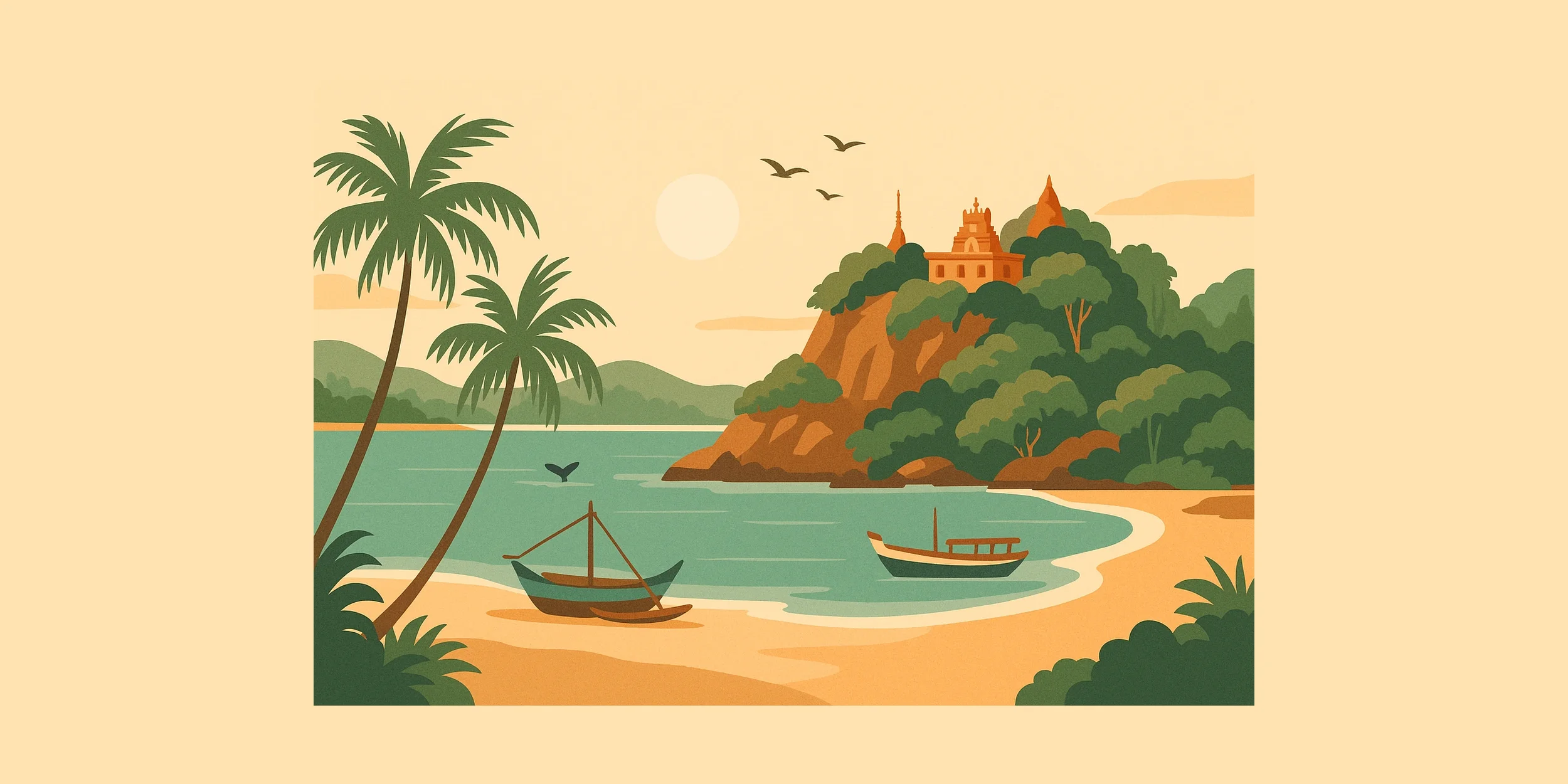
Trincomalee

Where ocean, history & stillness meet

Why should you visit Trincomalee

On Sri Lanka’s east coast, Trincomalee opens up to wide bays, calm waters, and a sense of space that feels instantly grounding. Anchored by one of the world’s largest natural harbors, Trincomalee is shaped by ocean light, layered history, and a slower coastal rhythm.

Here, beaches stretch long and quiet, mornings arrive softly, and the sea remains central to daily life. Trincomalee feels open rather than busy — a place where nature, culture, and everyday routines coexist without urgency.

You should visit Trincomalee if you are looking for a spacious and serene beach destination in Sri Lanka, especially during the east coast dry season. Calm seas make it ideal for swimming and snorkeling, while nearby beaches like Nilaveli and Uppuveli offer room to breathe, walk, and simply be present. Trincomalee also carries deep cultural and spiritual significance. Sacred sites such as temples set dramatically above the ocean reflect the region’s long history as a place of pilgrimage and exchange. These layers add meaning to your stay, connecting coastal ease with cultural depth.

What truly sets Trincomalee apart is its balance. It offers natural beauty without overdevelopment, and activity without pressure. Beyond the beach, you’ll find lagoons, wildlife experiences, and seasonal whale watching — all unfolding at a pace guided by nature rather than schedules. For travelers seeking slow, ocean-led travel on Sri Lanka’s east coast, Trincomalee offers openness, clarity, and a rare sense of calm — a place where the horizon feels wide and days feel unhurried.

What to to in Trincomalee

Trincomalee is one of Sri Lanka’s most unspoiled coastal destinations, where nature, culture and ocean life come together in a calm and authentic way. Located on the east coast, this laid-back seaside town is known for its turquoise waters, quiet beaches and slow pace — a perfect match with the Beyond Path Asia way of traveling. Spend your days on the soft white sands of nearby beaches such as Nilaveli and Uppuveli, where the ocean is calm and inviting. These beaches are ideal for swimming, snorkeling or simply enjoying the space and silence that make Trincomalee so special. Just offshore lies Pigeon Island National Park, one of the best snorkeling spots in Sri Lanka, with colorful coral reefs and tropical fish.

Trincomalee is also deeply rooted in history and spirituality. Visit the iconic Koneswaram Temple, dramatically perched on a cliff above the Indian Ocean, offering sweeping views over the natural harbor. The town’s diverse cultural background — shaped by Tamil, Sinhalese and colonial influences — is visible in its temples, streets and daily life. Nature lovers can explore the surrounding area by boat or on land, spotting dolphins, whales (seasonal), and coastal wildlife. Compared to Sri Lanka’s busier beach destinations, Trincomalee feels refreshingly untouched, allowing you to connect more deeply with the place and its people.

At Beyond Path Asia, we believe meaningful travel happens when you slow down. Trincomalee invites you to do just that — swim in clear waters, experience local culture, and enjoy the freedom of Sri Lanka’s east coast, far from the crowds and firmly beyond the beaten path.

What to do in Trincomalee
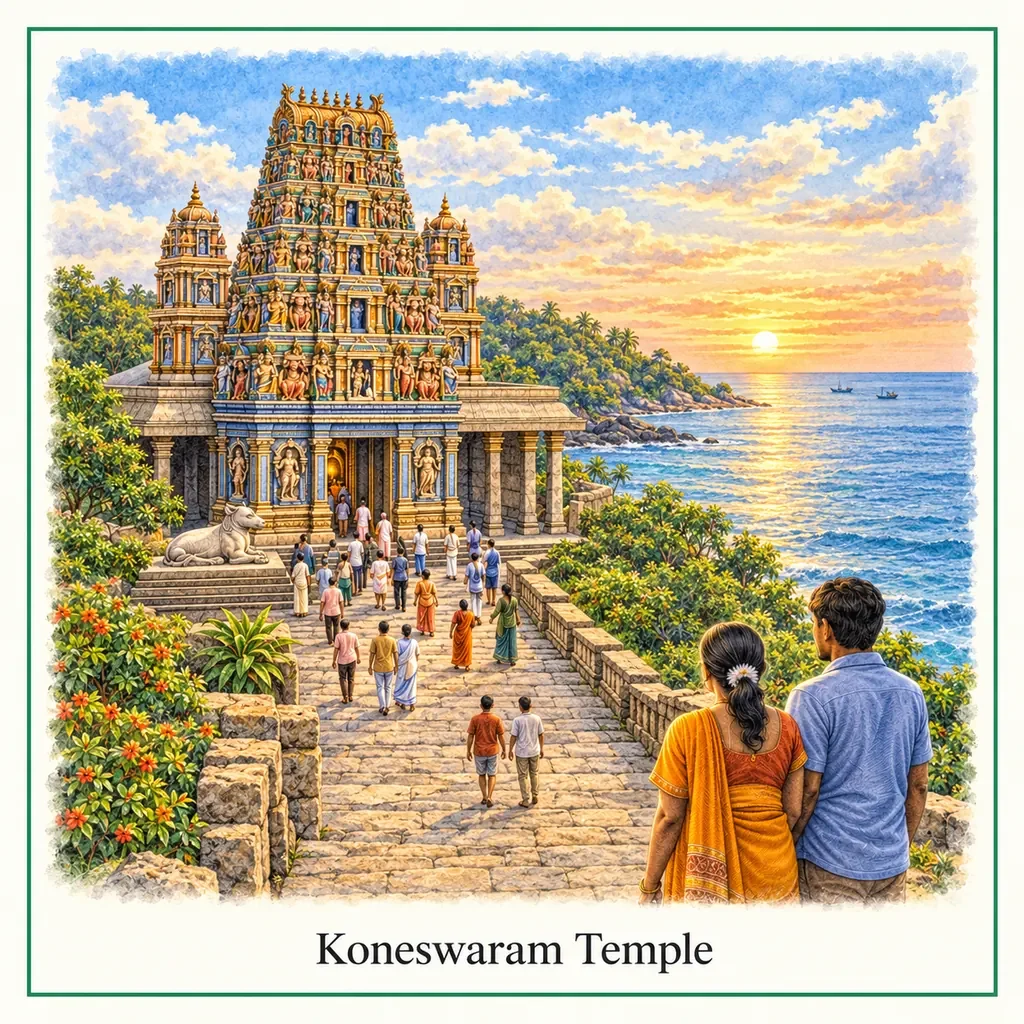
Koneswaram Temple Trincomalee Sri Lanka cliff temple ocean view Hindu temple

Visit Koneswaram Temple — A sacred place above the sea

Visiting Koneswaram Temple offers a powerful blend of spirituality, history and landscape in Trincomalee. Perched high on Swami Rock, the temple overlooks the Indian Ocean, creating a setting that feels both dramatic and deeply calm. Koneswaram is one of the most important Hindu temples in Sri Lanka and has been a place of worship for centuries. The site has survived destruction, rebuilding and colonial influence, adding layers to its story. Today, pilgrims and visitors move through the grounds side by side, keeping the atmosphere authentic and alive. The sound of bells and chants blends with the ocean below. From the cliffs, views stretch endlessly across the sea, especially striking in the early morning or late afternoon. A visit here is less about sightseeing and more about presence. It pairs naturally with Fort Frederick, which forms the historic gateway to the temple. For travelers seeking meaning as well as beauty, Koneswaram offers a quiet yet unforgettable moment.

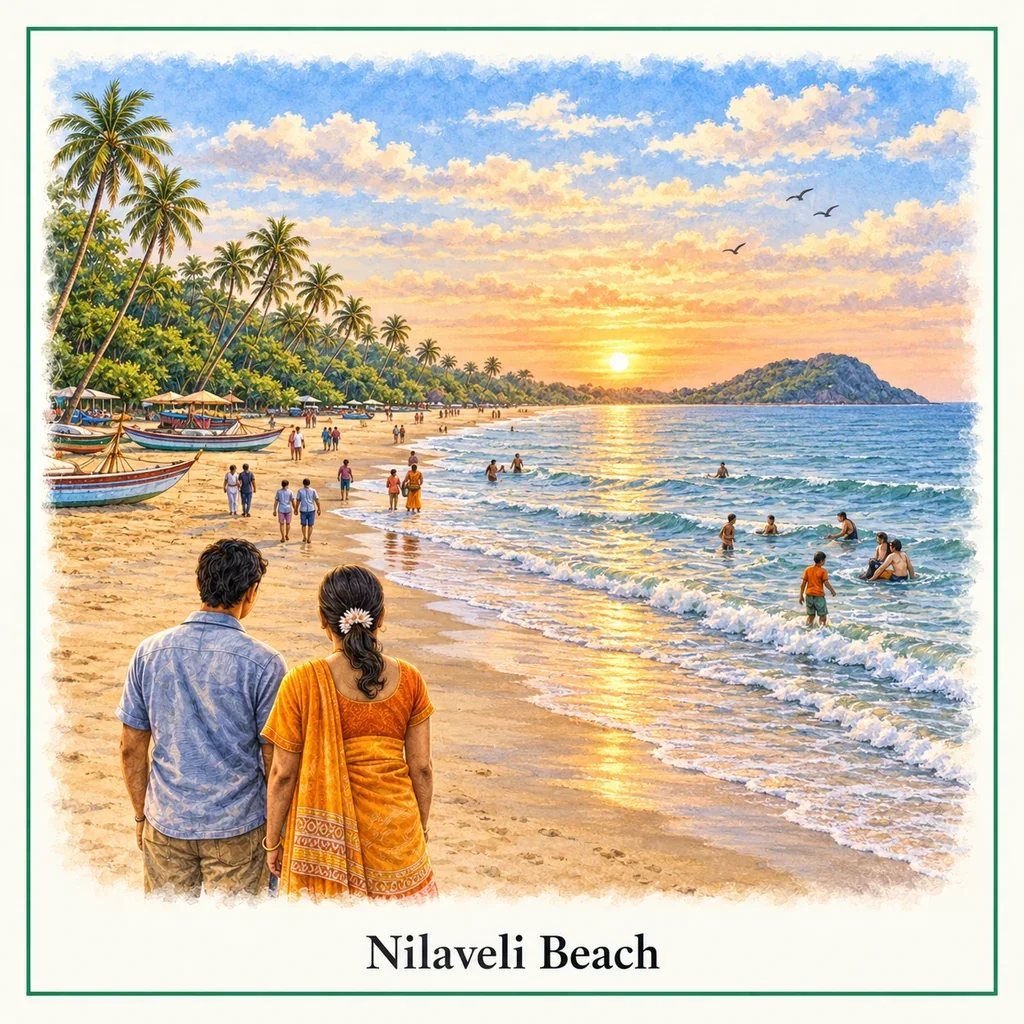
Spend your days on Nilaveli & Uppuveli beaches

Spending your days on Nilaveli and Uppuveli offers a slower, softer side of Trincomalee. These long stretches of pale sand and clear water are made for unstructured days. The sea is usually calm, ideal for swimming, floating and relaxed snorkeling close to shore. Life here follows the sun rather than the clock, with mornings unfolding quietly and afternoons stretching lazily into evening. Beachfront cafés and small restaurants keep things simple, often serving fresh seafood and easy vegetarian options. Nilaveli feels more open and spacious, while Uppuveli has a slightly more social, village-like atmosphere. Neither beach is about activities or crowds. Sunsets are gentle rather than dramatic, with soft light reflecting off the water. Both beaches work perfectly as a base for exploring nearby highlights like Pigeon Island. For travelers who want to slow down and let the coast set the pace, Nilaveli and Uppuveli deliver exactly that.

Nilaveli Beach Trincomalee Sri Lanka white sand beach calm sea east coast
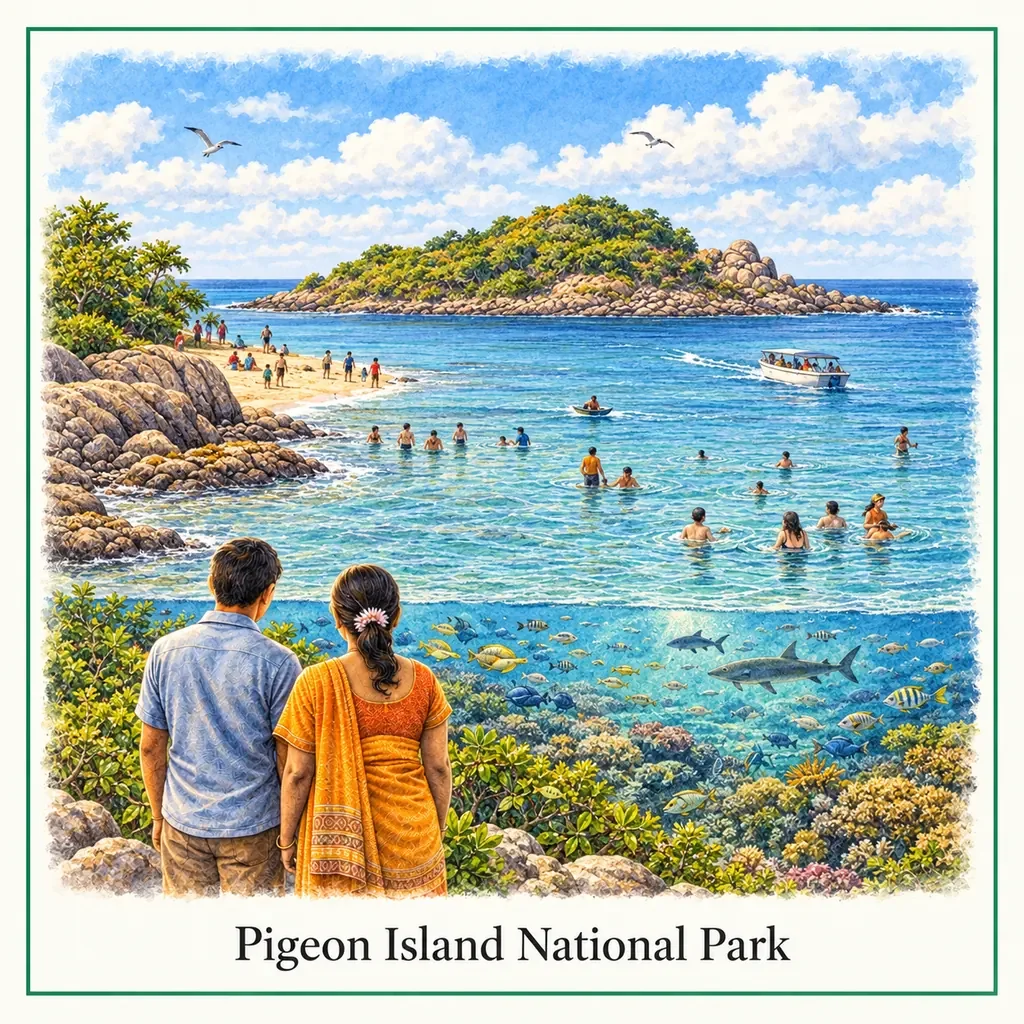
Pigeon Island National Park Sri Lanka snorkeling coral reef fish clear water

Snorkel at Pigeon Island National Park

Snorkeling at Pigeon Island National Park offers one of the clearest underwater experiences in Trincomalee. Just a short boat ride from the coast, the island is surrounded by coral reefs and shallow, turquoise waters. Snorkelers can spot colorful reef fish, coral formations and, with a bit of luck, blacktip reef sharks gliding calmly through the water. The visibility here is often excellent, especially during the dry season. Despite its popularity, the island still feels raw and natural, with minimal development. On land, white sand and exposed rock create a stark contrast with the vibrant sea below. Visits are regulated to protect the fragile marine ecosystem, which helps preserve the experience. A trip to Pigeon Island pairs perfectly with a relaxed beach day in Trincomalee. It’s an accessible yet memorable way to connect with Sri Lanka’s marine life. For travelers who value nature over novelty, snorkeling here feels simple, real and rewarding.

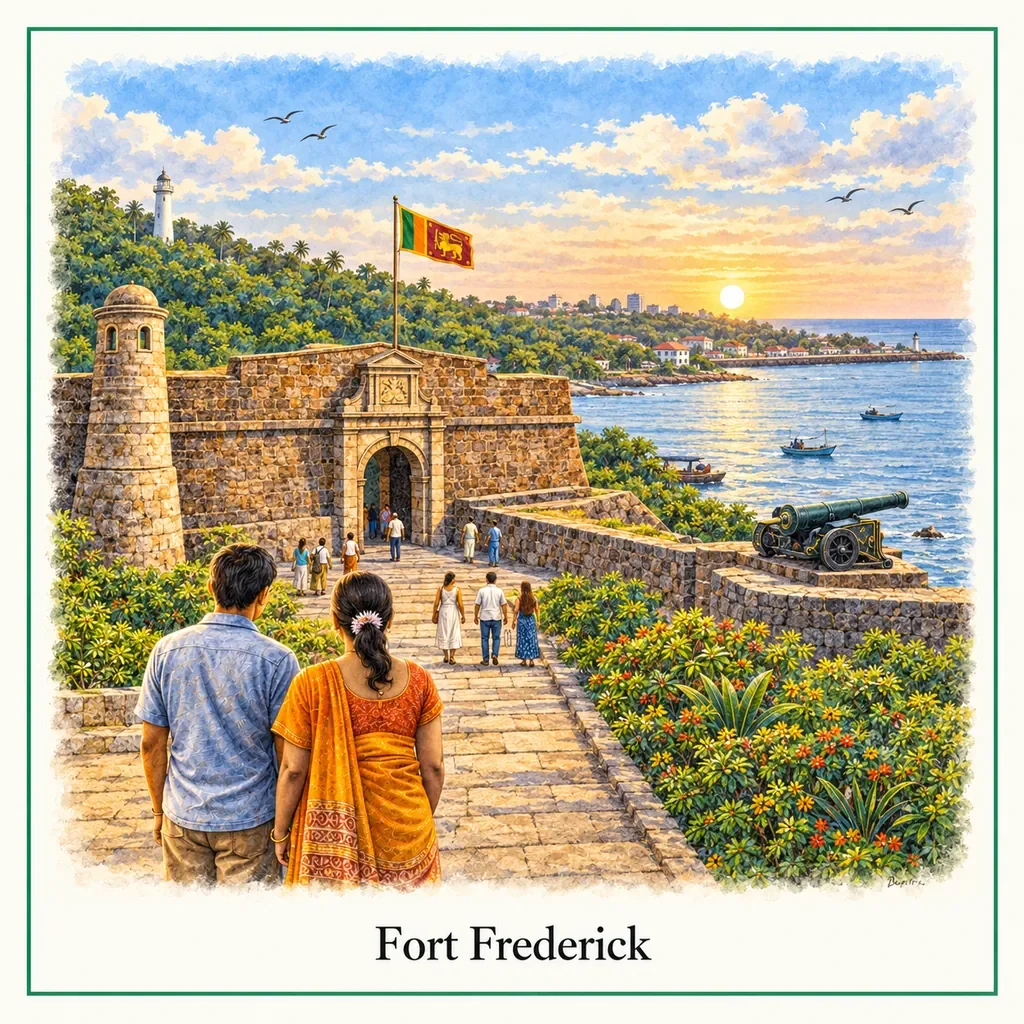
Explore fort Frederick & colonial history

Exploring Fort Frederick offers a quiet introduction to the layered colonial history of Trincomalee. Built by the Portuguese in the 17th century and later occupied by the Dutch and British, the fort reflects centuries of strategic importance along Sri Lanka’s east coast. Today, the massive stone walls feel calm rather than imposing, blending into everyday local life. Deer roam freely inside the grounds, adding an unexpected softness to the historic setting. The fort also forms the gateway to the sacred Koneswaram Temple, where spiritual history and colonial architecture intersect. Walking through Fort Frederick is less about monuments and more about atmosphere. Views over Trincomalee’s natural harbor hint at why this location mattered so deeply to past empires. The pace here is slow, inviting unhurried exploration rather than guided narratives. A visit fits easily into a day of discovering Trincomalee beyond its beaches. For travelers drawn to subtle history and lived-in places, Fort Frederick adds depth without drama.

Fort Frederick Trincomalee Sri Lanka historic fort coastal view entrance
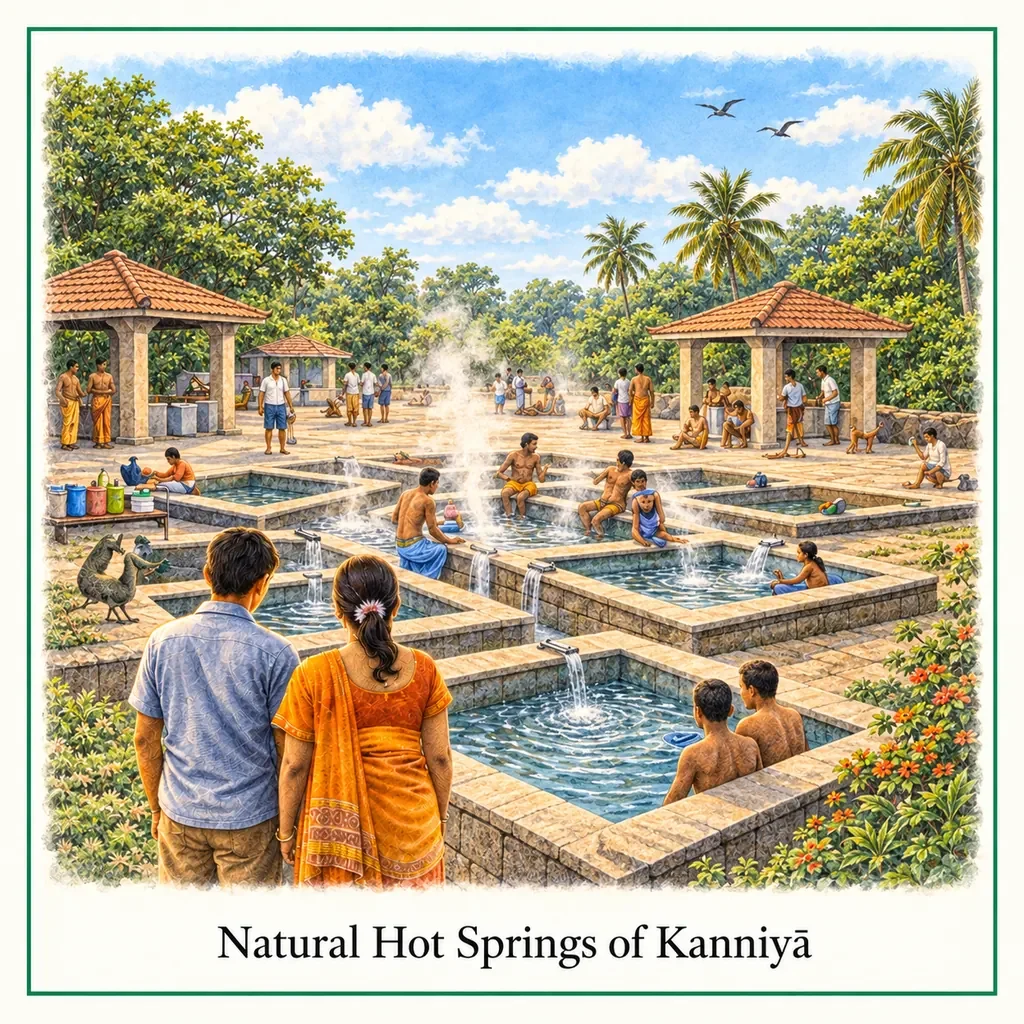
Kanniya hot springs Trincomalee Sri Lanka natural hot wells bathing pools

Visit the natural hot springs of Kanniya

Just outside Trincomalee, the natural hot springs of Kanniya Hot Springs offer one of the most grounded experiences on Sri Lanka’s east coast. Known locally as the Kanniya hot wells, this small site consists of seven shallow pools, each with a slightly different temperature. The warm water rises naturally from deep underground, without any modern intervention or spa-like setting. Locals visit daily, following simple rituals that have been passed down for generations. There’s no spectacle here — just warm stone, shared space and quiet rhythm. Visiting early in the morning or late afternoon offers the most authentic atmosphere. The springs are closely tied to local beliefs and Hindu traditions, adding a subtle spiritual layer to the experience. A visit is short, simple and surprisingly calming. Located only a short drive from Trincomalee town, the hot springs are an easy detour from nearby beaches and temples. For travelers seeking authenticity over polish, the Kinniya hot springs fit perfectly into the Beyond Path Asia way of travel.

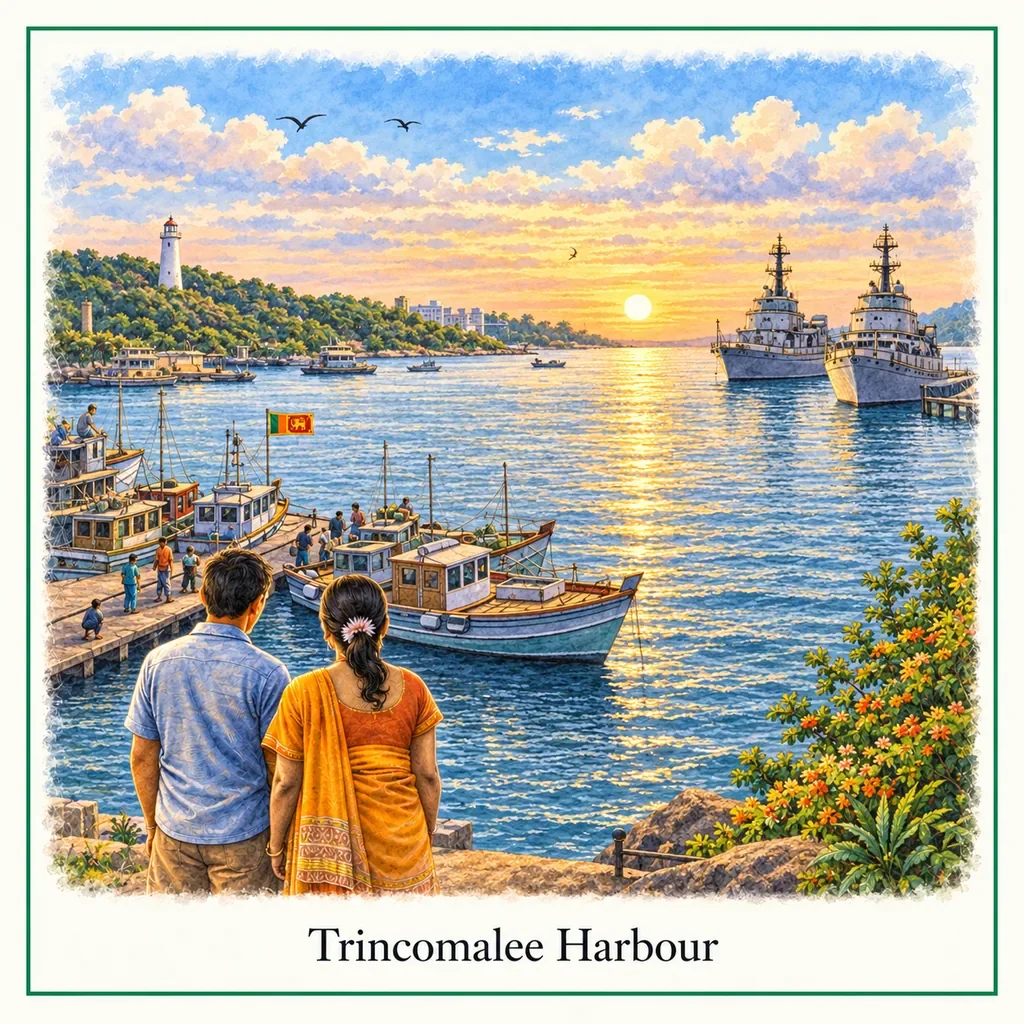
Trincomalee Harbour Sri Lanka natural harbor boats sunset coastal city

Take a boat ride through Trincomalee harbour

Taking a boat ride through Trincomalee Harbour offers a calm and revealing way to see Trincomalee from a different perspective. Known as one of the largest natural harbours in the world, its vast scale is best understood from the water. The ride moves slowly past fishing boats, quiet coves and stretches of untouched coastline. From the sea, the city feels distant, almost hushed. Fort Frederick and Swami Rock rise subtly in the background, adding historical context without dominating the view. The harbour’s sheltered waters make the experience smooth and unhurried. Early morning and late afternoon rides offer softer light and cooler air. This is not an adrenaline activity, but a moment to observe and reflect. It pairs naturally with a relaxed day on the beach or a visit to nearby temples. For travelers who enjoy subtle experiences over spectacle, a boat ride through Trincomalee harbour adds quiet depth to the journey.Go whale watching (seasonal)

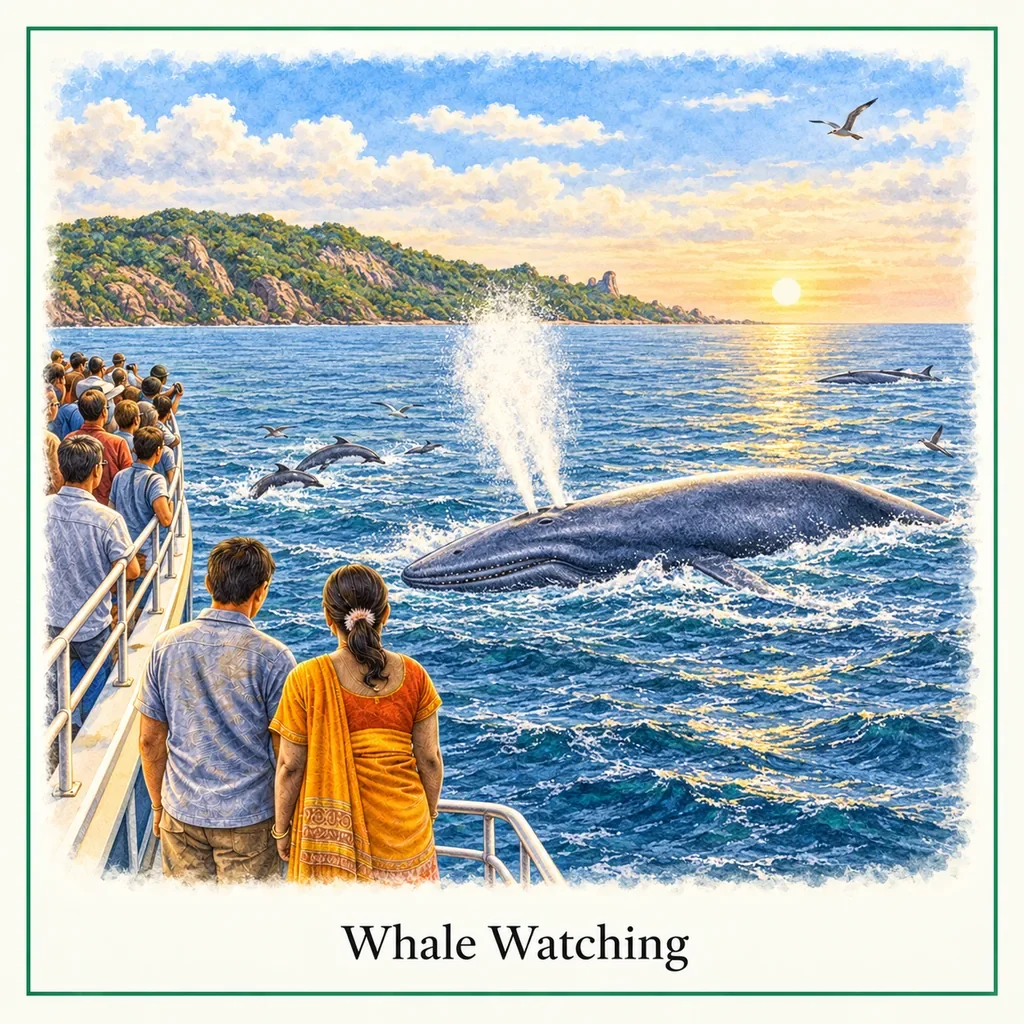
Going whale watching in Trincomalee is one of the most awe-inspiring ocean experiences in Sri Lanka. The deep waters just off the coast make this area one of the best places in the country to spot blue whales, sperm whales and dolphins. Unlike the busier south coast, whale watching here often feels calmer and less crowded. Boats head out early in the morning, when the sea is still and light slowly spreads across the horizon. Sightings are never guaranteed, which makes each encounter feel genuine and earned. Seeing the world’s largest animal surface in open water is both humbling and unforgettable. Responsible operators focus on respectful distances and minimal disturbance. The vastness of the ocean adds to the sense of scale and silence. A whale watching trip fits naturally into a relaxed east coast itinerary. For travelers seeking meaningful wildlife encounters without spectacle, Trincomalee delivers depth over drama.

Family-friendly activities

Family-friendly activities in Trincomalee are defined by space, calm and simplicity. The east coast’s relaxed rhythm makes it an easy destination to travel with children of all ages. Beaches like Nilaveli and Uppuveli offer soft sand and generally calm waters, ideal for safe swimming and long, unstructured beach days. Boat trips in Trincomalee harbour are gentle and engaging, giving kids a new perspective without being overwhelming. Snorkeling in shallow areas introduces marine life in an accessible, low-pressure way. Cultural visits, such as Fort Frederick or nearby temples, are compact and easy to combine with downtime. There’s no need for tight schedules or constant movement here. Cafés and restaurants are casual and welcoming, often accommodating simple preferences. Distances between activities are short, reducing travel fatigue. Trincomalee allows families to slow down, connect and enjoy shared experiences without stress. For Beyond Path travelers, it’s a place where family travel feels natural rather than planned.

whale watching Trincomalee Sri Lanka blue whale dolphins boat safari ocean

Essential travel tips for visiting Trincomalee

Exploring Trincomalee feels spacious and unhurried. With its wide beaches, calm ocean and deep cultural roots, this east coast town invites you to slow down and breathe a little deeper. These tips will help you experience Trincomalee in a relaxed, balanced way — close to nature and far from crowds.

Start early, stay cool - Mornings in Trincomalee are calm and gentle. Head to the beach early to enjoy cooler temperatures and quiet shores before the sun grows strong. Early hours are perfect for swimming, walking or simply sitting by the sea.

Choose the beach that matches your mood - Trincomalee’s beaches all feel different. Some are lively, others almost empty. Take time to explore and find the stretch of sand that suits you — whether you’re looking for swimming, snorkeling or complete stillness.

Visit koneswaram with intention - Perched high above the ocean, Koneswaram Temple is as much about atmosphere as views. Go early or late in the day, dress modestly, and take a moment to pause. The combination of sea breeze, chanting and cliffside views makes this a powerful place.

Take the boat to pigeon island (weather permitting) - If conditions are right, a trip to Pigeon Island offers some of the best snorkeling on the east coast. Go early, respect marine life, and avoid touching coral. Even a short visit adds a beautiful underwater perspective to your stay.

Slow afternoons are part of the experience - The midday sun can be intense. Follow the local rhythm: retreat indoors, rest, read or enjoy a long lunch. Trincomalee rewards those who don’t fight the heat but move with it.

Explore the harbour & town gently - Trincomalee is still a working port town. A quiet walk near the harbour or through local neighbourhoods reveals everyday life — fishermen repairing nets, kids cycling home, shops opening slowly.

Sunset is non-negotiable - Evenings are when Trincomalee truly shines. Head back to the beach or lagoon and watch the sky shift colours. The light softens, the heat fades, and the town settles into a calm, coastal rhythm.

Respect the mix of cultures - Trincomalee is shaped by Buddhist, Hindu and Muslim traditions. Dress respectfully, be mindful around places of worship, and observe before engaging. The cultural mix is one of the city’s quiet strengths.

Final thought - Trincomalee doesn’t overwhelm — it opens up. With its wide horizons, gentle pace and connection to sea and sky, it offers space to slow down and reset. Stay a little longer than planned, and let the east coast work its quiet magic.

Best places to stay in Trincomalee

Where to stay in Trincomalee

Best places to stay in Trincomalee

Family stays in Trincomalee

Luxury stays in Trincomalee

Unique & eco stays in Trincomalee

Best places to eat in Trincomalee

Where to eat in Trincomalee

Trincomalee is one of Sri Lanka’s most beautiful coastal destinations, famous for its natural harbor, coral reefs and long sandy beaches. With its mix of Tamil, Muslim and Sinhalese influences, Trincomalee offers a rich and diverse food scene, especially known for fresh seafood and bold northern flavors. Knowing where to eat in Trincomalee is essential to fully enjoy beach days, snorkeling trips and relaxed tropical evenings.

Beyond Path Asia carefully selects the best restaurants in Trincomalee based on quality, atmosphere and their ability to reflect the coastal and multicultural character of this historic port city. Below you will find our handpicked recommendations, divided into budget, mid-range and luxury dining, each offering a strong reason to explore Trincomalee through its cuisine.

Budget restaurants in Trincomalee – fresh, local and full of flavor

Travelers looking for affordable places to eat in Trincomalee will quickly discover that some of the best meals are served in small local eateries near the market, harbor and beaches.

Aasife Restaurant is one of the most popular budget eateries in Trincomalee. Known for its biryani, curries and fried rice, this busy local restaurant attracts both residents and visitors. What makes Aasife special is the bold flavor and fast service. Guests choose this place because it offers filling, tasty meals at very low prices and a lively local atmosphere.

Ceylon Seafood Café near Uppuveli Beach is a simple, informal place serving grilled fish, prawns and calamari. Travelers choose this café because it offers very fresh seafood, friendly service and an unbeatable price-quality ratio just steps from the beach.

Anna Poorani Vegetarian Restaurant is a favorite among travelers looking for South Indian vegetarian food. With dosai, idli and thali meals, this small restaurant offers authentic flavors at budget prices. Guests choose Anna Poorani because it provides a reliable, affordable option for breakfast and lunch in the town center.

Mid-range restaurants in Trincomalee – beachfront comfort and variety

For those seeking more comfort while still enjoying fresh coastal flavors, Trincomalee offers an excellent selection of mid-range restaurants, many of them located along Uppuveli and Nilaveli beaches.

Uppuveli Beach Hotel Restaurant offers one of the best mid-range dining experiences in the area. Set directly on the beach, this restaurant serves seafood, Sri Lankan and international dishes. What makes this place special is the setting. Guests choose this restaurant because it combines good food, relaxed service and sunset views over the ocean.

Dutch Bank Café is a popular mid-range café located in Trincomalee town. The menu includes curries, seafood, pasta and Western dishes. Travelers choose Dutch Bank Café because it offers variety, consistent quality and a comfortable place for lunch or dinner after sightseeing.

C Restaurant Nilaveli is well known for its seafood barbecues and relaxed open-air dining. Guests choose this place because it offers fresh fish, generous portions and a calm beach atmosphere, making it ideal for long, slow dinners by the sea.

Luxury restaurants in Trincomalee – refined dining by the ocean

For travelers seeking an exclusive and refined dining experience, Trincomalee offers several high-end restaurants located in luxury resorts and boutique beach properties.

Jungle Beach by Uga Escapes Restaurant offers one of the most atmospheric luxury dining experiences in the region. Hidden between jungle and sea, this restaurant serves refined Sri Lankan and international cuisine in a stunning natural setting. What makes Jungle Beach truly unique is the combination of isolation, design and nature. Guests choose this restaurant for romantic dinners and unforgettable evenings surrounded by forest and waves.

Anilana Nilaveli Restaurant offers contemporary fine dining on a pristine stretch of beach north of Trincomalee. With creative menus and elegant presentation, this restaurant attracts travelers who seek modern luxury by the sea. Guests choose Anilana because it offers privacy, design and one of the most refined dining experiences on the east coast.

Private Beach Dining at Boutique Resorts in Nilaveli offers personalized luxury dining with candlelit tables on the sand and customized menus. Travelers choose these experiences for honeymoons, anniversaries and special celebrations where setting and service matter as much as the food.

Beyond Path Asia Tip

In Trincomalee, follow the sea. Ask what was caught that day, eat earlier in the evening when kitchens are calm, and don’t overlook simple rice & curry lunches — they often offer the most authentic taste of the east coast.

Travel tips for Trincomalee

How to get here

Trincomalee is a historic port city on Sri Lanka’s east coast, known for its natural harbour, pristine beaches, and calm turquoise waters. Reaching Trincomalee takes a bit of time, but the journey offers a rewarding change of scenery from the island’s west and south coasts.

By Car or Taxi - Traveling by car or private taxi is the most comfortable way to reach Trincomalee. From Colombo, the drive takes approximately 6–7 hours, while from Anuradhapura it’s around 2.5–3 hours. The route passes through rural landscapes, forests, and small towns, offering a glimpse of Sri Lanka’s quieter side.

By Train - Trincomalee is connected by train via Trincomalee Railway Station. Trains run from Colombo Fort and other major towns, usually overnight or early morning. While the journey is long, it’s a relaxed way to travel and an authentic local experience.

By Bus - Public buses run regularly to Trincomalee from Colombo, Anuradhapura, and other regional hubs. Both air-conditioned and non–air-conditioned buses are available. This is the most budget-friendly option, though travel times can be long.

The journey to Trincomalee is well worth the effort, rewarding travelers with unspoiled beaches, rich history, and a laid-back east coast atmosphere.

Best time to travel

Trincomalee follows the east coast climate, which is different from the south and west of Sri Lanka. This makes it an excellent destination during certain months of the year.

April to September — Best overall period - These months offer dry, sunny weather and calm seas. It is the ideal time for swimming, snorkeling at Pigeon Island, and beach days at Nilaveli and Uppuveli.

May to October — Whale watching season - This period is particularly good for spotting blue whales and sperm whales, as seas are calmer on the east coast.

October to November — Transitional period - Weather becomes less predictable, with occasional rain and increased humidity. While still visitable, flexibility is recommended.

December to March — Wetter & quieter - These months bring more rain and rougher seas. Tourism slows, and Trincomalee feels quieter and more local, though beach activities may be limited.

Beyond Path Asia Tip

In Trincomalee, mornings are especially beautiful. Plan beach walks, temple visits, and boat trips early in the day, and allow afternoons for rest and shade. The openness and calm here reward travelers who move gently with the day.

Fun facts and hidden gems for Trincomalee

Fun facts & hidden gems

Trincomalee is a place of depth and distance — geographically, historically, and emotionally. While many travelers come for its beaches, few realize how layered this coastal town truly is. Ancient legends, colonial ambition, spiritual devotion, and raw natural beauty all converge here, creating a destination that reveals itself slowly and quietly.

These fun facts and hidden gems invite you to look beyond the obvious and experience Trincomalee with curiosity and stillness.

Trincomalee harbour is one of the largest natural harbours in the world - Trincomalee’s harbour is so vast and deep that it has been coveted for centuries. Empires fought over it, navies planned around it, and traders relied on it long before modern ports existed. Fun fact: The harbour is so naturally protected that ships can anchor safely even during heavy monsoon weather — one of the reasons it played such a crucial role in global maritime history. Stand at Swami Rock and look out over the bay — it feels endless, calm, and powerful.

Koneswaram Temple is one of the Pancha Ishwarams - Koneswaram Temple is not just an important Hindu temple — it is one of the five sacred Shiva temples (Pancha Ishwarams) spread across Sri Lanka. These temples are believed to form a spiritual network protecting the island. Hidden gem: Visit early in the morning when prayers are soft, incense curls slowly into the air, and the ocean below reflects pale morning light. The atmosphere is deeply grounding, even for non-religious visitors.

Swami Rock is known as ‘lover’s leap’ - The dramatic cliff beneath Koneswaram Temple is known locally as Lover’s Leap. According to legend, a Dutch official’s daughter leapt from the rock after falling in love with a local man her family forbade her to marry. Whether myth or memory, the story adds emotional depth to the already powerful setting — where land ends and the ocean opens endlessly below.

Trincomalee’s East Coast culture feels completely different - Unlike the south and west of Sri Lanka, Trincomalee is shaped largely by Tamil culture, language, and cuisine. This influences everything — from temple rituals to food, daily rhythm, and festivals. Hidden gem: Simply walking through local neighborhoods reveals a different Sri Lanka — quieter, more introspective, and less shaped by tourism.

Pigeon Island is named after a rare rock pigeon - Pigeon Island gets its name from the blue rock pigeons that nest on the island’s cliffs. These birds are rarely seen elsewhere in Sri Lanka. Fun fact: The island was once used as a lookout point during colonial times before becoming a protected marine national park. Snorkeling here feels like entering a living underwater garden.

The Kanniya hot springs are linked to the Ramayana - Local legend says the hot springs were created by King Ravana, who struck the earth with his sword to relieve his mother’s pain. Today, the seven shallow wells are still used for ritual cleansing and believed to hold healing properties. Hidden gem: Go mid-morning on a weekday — fewer visitors, more locals, and a calmer atmosphere.

Sunrises matter more than sunsets here - Because Trincomalee faces east, sunrise is the real show. The sun rises directly over the ocean, painting the sky in soft pinks, oranges, and gold. Hidden gem: Watch sunrise from Nilaveli Beach or near Swami Rock — it’s quiet, expansive, and deeply calming.

FAQ – Discover Trincomalee, Sri Lanka with Beyond Path Asia

1. Why is Trincomalee worth visiting? Trincomalee (often called “Trinco”) is one of Sri Lanka’s most underrated coastal destinations. Located on the east coast, it offers wide, quiet beaches, crystal-clear water, and a slower pace of life. It’s the kind of place where you come to unwind — without the crowds.

2. What are the must-do experiences in Trincomalee? Relax on the beautiful beaches of Nilaveli and Uppuveli, visit the Koneswaram Temple perched on a cliff above the ocean, and take a boat trip to Pigeon Island for snorkeling. The combination of culture, nature, and beach life makes Trincomalee surprisingly diverse.

3. Is Trincomalee good for snorkeling and diving? Yes — especially around Pigeon Island, where you’ll find coral reefs, colorful fish, and even reef sharks. The clear, calm waters during the season make it one of the best snorkeling spots in Sri Lanka.

4. How long should I stay in Trincomalee? We recommend staying 2 to 4 nights. This gives you enough time to relax on the beach, explore nearby spots, and enjoy a boat or snorkeling trip.

5. When is the best time to visit Trincomalee? The best time to visit is from May to September, when the east coast is dry and sunny. During this period, the sea is calm and perfect for swimming and snorkeling.

6. Is Trincomalee suitable for families? Yes, especially for families looking for a quieter beach destination. The calm waters and wide beaches make it a great place for children to enjoy safely.

7. What’s the best way to get to Trincomalee? Trincomalee is usually reached by private driver or train from places like Kandy, Sigiriya, or Colombo. The journey takes time but offers a chance to see a different side of Sri Lanka.

8. Are there good vegetarian food options in Trincomalee? Yes, though the food scene is more relaxed and local. You’ll find plenty of vegetarian Sri Lankan dishes, along with some beach cafés offering international options.

9. Where should I stay in Trincomalee? We recommend staying near Nilaveli or Uppuveli Beach. Boutique hotels, small resorts, and beachfront guesthouses offer a comfortable and relaxed base.

10. Is Trincomalee safe to visit? Yes, Trincomalee is a safe and welcoming destination. It’s less crowded than the south coast, which adds to its calm and easy-going atmosphere.

11. What makes Trincomalee unique? Trincomalee stands out for its untouched feel and natural beauty. The east coast is still less developed, which means you can enjoy beaches and ocean life in a more peaceful setting.

12. How can Beyond Path Asia help plan my stay in Trincomalee? We help you experience Trincomalee at the right pace — combining relaxation with just the right amount of activity, and guiding you to the best places to stay and explore.

13. What destinations pair well with Trincomalee? Trincomalee pairs perfectly with the Cultural Triangle, including Sigiriya, Dambulla, and Anuradhapura. It’s an ideal addition if you want to combine culture with a quieter beach experience.

Arugam Bay Sri Lanka surfing beach waves surfers east coast