Sri Lanka budget travel guide: costs, tips & savings
Your Sri Lanka travel budget depends mainly on accommodation, transport and the paid experiences you choose. Local meals and public transport can keep everyday costs down, while private transfers, major cultural sites and safaris add larger expenses.
This guide helps you build a realistic trip total. Treat any example amounts as planning assumptions, not live quotes, and confirm prices for your dates, group size and chosen activities before booking.
Is Sri Lanka expensive?
You can shape a Sri Lanka trip around guesthouses and public transport or spend much more on boutique hotels, private drivers and specialist experiences. The useful question is what your own route will cost, rather than whether the country is universally cheap.
Build your budget in four parts
Nightly costs: accommodation and meals, with room costs divided by the people sharing.
Travel-day costs: trains, buses, transfers or vehicle hire, including luggage and pickup charges.
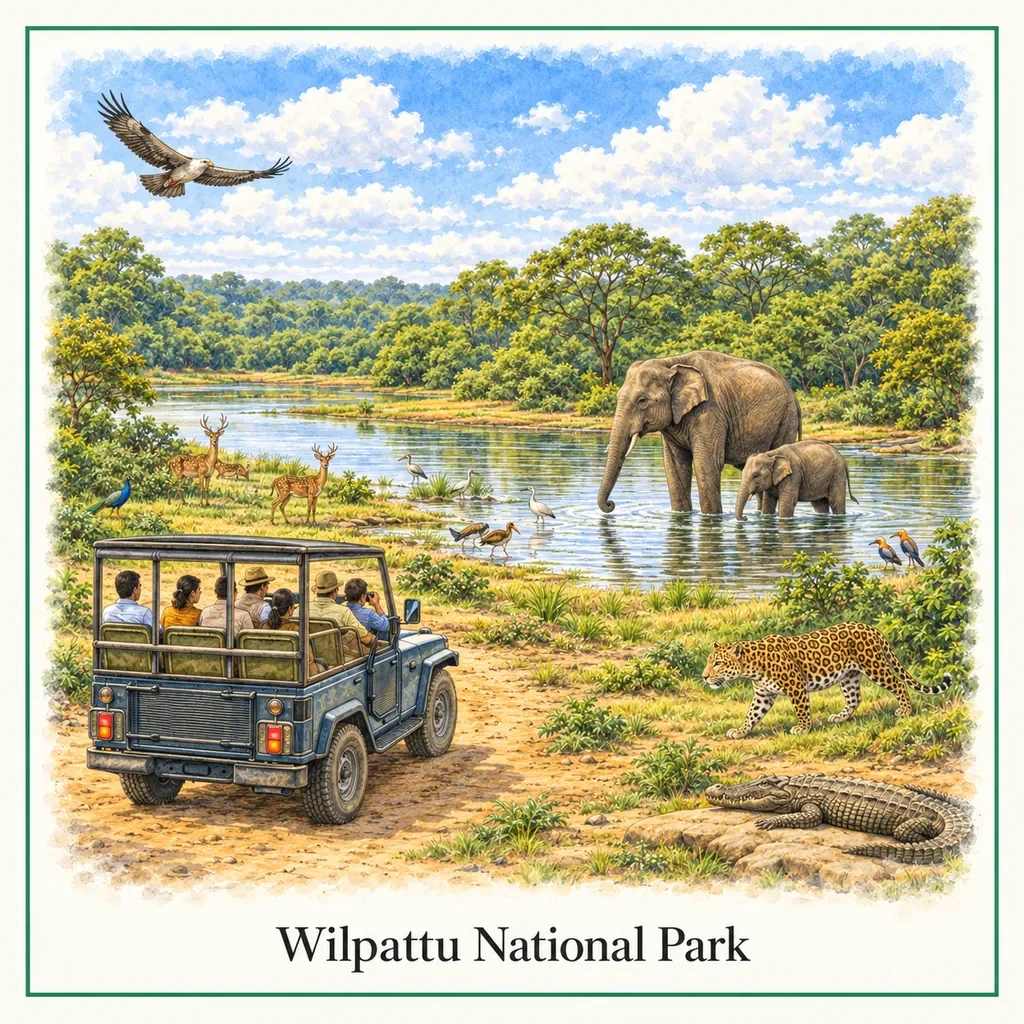
Experience costs: park entrance, jeep hire, cultural-site tickets and guides.
One-off costs: flights, entry documents where applicable, insurance, connectivity and a contingency.
Compare flights by the complete journey
Check fares for your dates and departure airports, including baggage, seat selection, transfers and change conditions. There is no fixed booking month that guarantees the cheapest fare.
Accommodation costs in Sri Lanka
Planning note: the amounts below are broad illustrative ranges, not live quotes. Confirm prices for your dates. Accommodation amounts are per room per night; food amounts are per person unless stated otherwise. Check taxes and service charges.
Accommodation is where Sri Lanka offers incredible value—especially outside peak holiday periods.
Budget Accommodation (€10–€30 per night)
Budget travelers will find a wide range of guesthouses, homestays and small hostels. These are often family-run, simple but clean, and include breakfast. The biggest advantage here is the personal experience. Hosts often help with local tips, transport and even home-cooked meals. Booking platforms can help compare prices and availability, especially in popular areas like Ella or Mirissa where last-minute options may be limited.
Mid-Range Accommodation (€40–€100 per night)
This is where Sri Lanka really stands out. Boutique hotels, eco-lodges and stylish small resorts offer excellent value for money. Expect comfortable rooms, good design, pools in many cases, and beautiful natural surroundings. In places like Sigiriya or the south coast, mid-range stays can feel surprisingly premium. For travelers looking for comfort without overspending, this category offers the best balance.
Luxury Accommodation (€120+ per night)
Sri Lanka has an impressive selection of high-end properties, from beachfront villas to safari lodges and tea estate bungalows. While luxury prices are lower than in many other destinations, costs can still add up quickly if you stay exclusively in this category. A smart approach is to mix luxury stays with mid-range accommodations throughout your trip.
Family Accommodation Tips
For families, Sri Lanka is particularly accommodating. Many hotels offer family rooms or interconnected spaces, and villas are often more affordable than expected when split across multiple people. Booking slightly larger properties or apartments can also reduce costs while providing more comfort.
Food & drink costs
Planning note: the amounts below are broad illustrative ranges, not live quotes. Confirm prices for your dates. Accommodation amounts are per room per night; food amounts are per person unless stated otherwise. Check taxes and service charges.
Food in Sri Lanka is not just affordable—it’s an essential part of the experience. The island’s cuisine is rich in flavor, deeply rooted in local traditions, and incredibly varied despite its simplicity. Eating well here doesn’t require a high budget; in fact, some of the most memorable meals are also the most affordable.
At the local level, food is both accessible and authentic. Small roadside eateries, family-run restaurants and simple cafés serve classic Sri Lankan dishes such as rice and curry, hoppers and kottu. Meals are often freshly prepared, generously portioned and full of bold spices. Prices typically range between €2 and €5, making it easy to eat well multiple times a day without overspending. These places may look modest, but they often deliver the most genuine flavors.
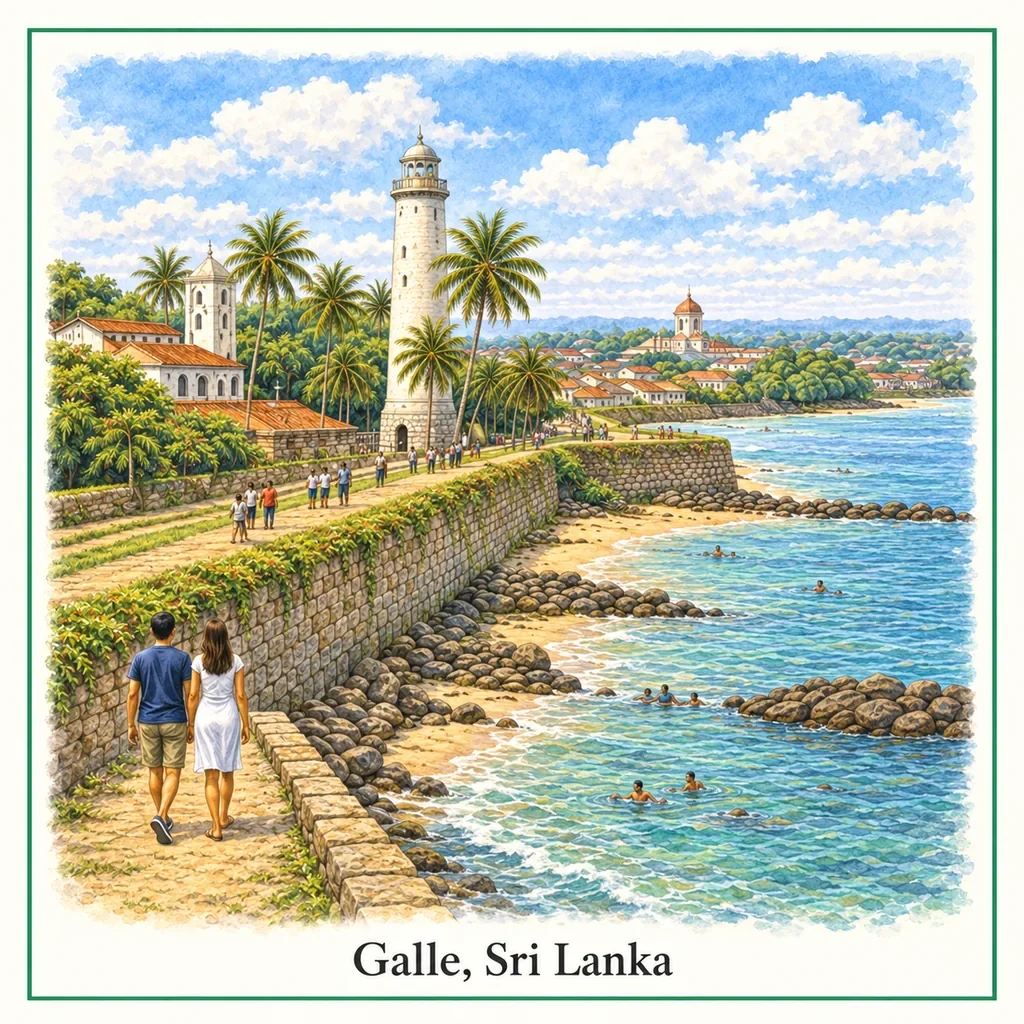
In more developed areas such as Ella, Galle, Mirissa and Arugam Bay, the food scene expands to include modern cafés and restaurants. Here, you’ll find a mix of Sri Lankan fusion dishes, Western options and health-focused menus. While prices are higher—usually between €6 and €15 per meal—the quality and atmosphere often justify the cost. It’s also where you’ll find good coffee, smoothie bowls and more diverse vegetarian options.
Drinks remain relatively affordable across the island. Fresh juices and king coconut (often called “king coconut water”) are widely available for around €1 to €2 and are a refreshing staple in the tropical climate. Coffee, particularly in tourist areas, ranges from €2 to €4. Local beer is reasonably priced, typically between €2 and €4, although imported alcohol and wine can be significantly more expensive due to taxes.
For those looking to manage their budget, a simple strategy works well: eat local most of the time and mix in occasional restaurant meals for variety. This not only keeps costs down but also creates a more balanced and authentic food experience.
In Sri Lanka, food is not something you need to plan around financially—it’s something you can fully enjoy, every single day.
Transport costs: compare the full journey
Trains and buses
Check the official fare, operating route and available class for your date. A booking platform may charge service fees above the railway fare. Our hill-country train guide explains service checks and reservations.
Tuk-tuks and private transfers
Agree the total price before departure, including pickup, stops, waiting time and tolls. For a multi-day driver quote, confirm vehicle size, luggage space, kilometre limits and any driver accommodation or meal charges.
Self-drive rental
Include permits, fuel, insurance excess, delivery and deposit conditions as well as the daily rental rate. Read our tuk-tuk travel guide before choosing this option.
For groups: divide a vehicle quote by the actual passenger number, but check that the vehicle and seating arrangements suit everyone.
Calculate a daily budget for your own trip
Use your accommodation quotes and planned travel days to build a total:
Trip total = accommodation + food + transport + activities + one-off costs + contingency.
A worked example, not a market-price quote
Suppose two adults share a room budgeted at €60 per night, allow €40 a day together for meals and set aside €20 a day together for routine transport. That is €120 per day for two, or €60 per person, before major activities and one-off costs.
For 14 days, those assumptions produce €1,680 for two. Add the actual quotes for safaris, cultural sites, private transfers and flights separately. This example shows the calculation; it does not promise those prices will be available.
Solo travellers and families
A solo traveller may pay the room or vehicle cost alone. Families may need several rooms, a larger vehicle and different ticket categories. Calculate these directly instead of multiplying an adult daily estimate by every family member.
Compare the two-week itinerary and family travel guide before deciding how many paid experiences to include.
Connectivity and the costs people forget
Compare a local SIM or eSIM using the data allowance, validity, coverage on your route and phone compatibility. Check the current package price and any registration requirements directly with the provider rather than relying on an old travel-blog offer.
Keep these in your budget
Bank withdrawal charges, card fees and currency conversion.
Laundry, drinking water, tips and small local transfers.
Early check-in, late checkout and airport transport.
Major cultural-site entry and safari charges.
A reserve for changed plans or an extra transfer.
For the wider practical details, read our Sri Lanka travel tips. Choose activities selectively using the safari guide and Cultural Triangle guide.