Traveling Sri Lanka by tuk tuk – What it’s really like and what you actually need
Traveling through Sri Lanka by tuk tuk sounds chaotic at first. Loud engines, busy roads, unpredictable traffic. Before we started our journey, we wondered if it would feel stressful, unsafe, or simply exhausting after a few days. It turned out to be the opposite.
Traveling Sri Lanka by tuk tuk slowed us down in the best possible way. It changed how we saw distances, how we interacted with people, and how present we felt on the road. The tuk tuk didn’t just take us from place to place — it became part of the journey itself.
This is not a guide focused on rules and checklists. It’s an honest look at what tuk tuk travel in Sri Lanka feels like, what you really need to know before starting, and which things genuinely made our trip easier and safer..
Travel Sri Lanka by Tuk Tuk
Few travel experiences are as memorable as exploring Sri Lanka by tuk tuk. Instead of rushing from one destination to the next in a tour bus or relying on expensive private drivers, renting your own tuk tuk gives you complete freedom to discover the island at your own pace. Imagine stopping at a roadside fruit stall for fresh king coconuts, taking a detour to a hidden waterfall, or pulling over to watch elephants grazing beside the road. These spontaneous moments often become the highlights of a trip—and they're exactly what make travelling by tuk tuk so special.
Over the last few years, tuk tuk road trips have become increasingly popular among independent travellers, couples and adventurous families. The roads continue to improve, rental companies now cater specifically to international visitors, and obtaining the required driving permit has become much more straightforward than many travellers expect. That said, driving a tuk tuk isn't for everyone. Traffic in larger cities can feel chaotic, mountain roads require patience, and travelling during the evening is generally not recommended for first-time visitors. Knowing what to expect before you arrive will make your journey far more enjoyable.
In this complete guide, you'll learn everything you need to know before renting a tuk tuk in Sri Lanka, including:
Road rules and safety tips
Navigation apps that actually work
The best tuk tuk itinerary around Sri Lanka
Common mistakes first-time drivers make
Frequently asked questions
Whether you're planning a one-week adventure or a three-week road trip around the island, this guide will help you decide if travelling by tuk tuk is the right choice for your Sri Lanka itinerary.
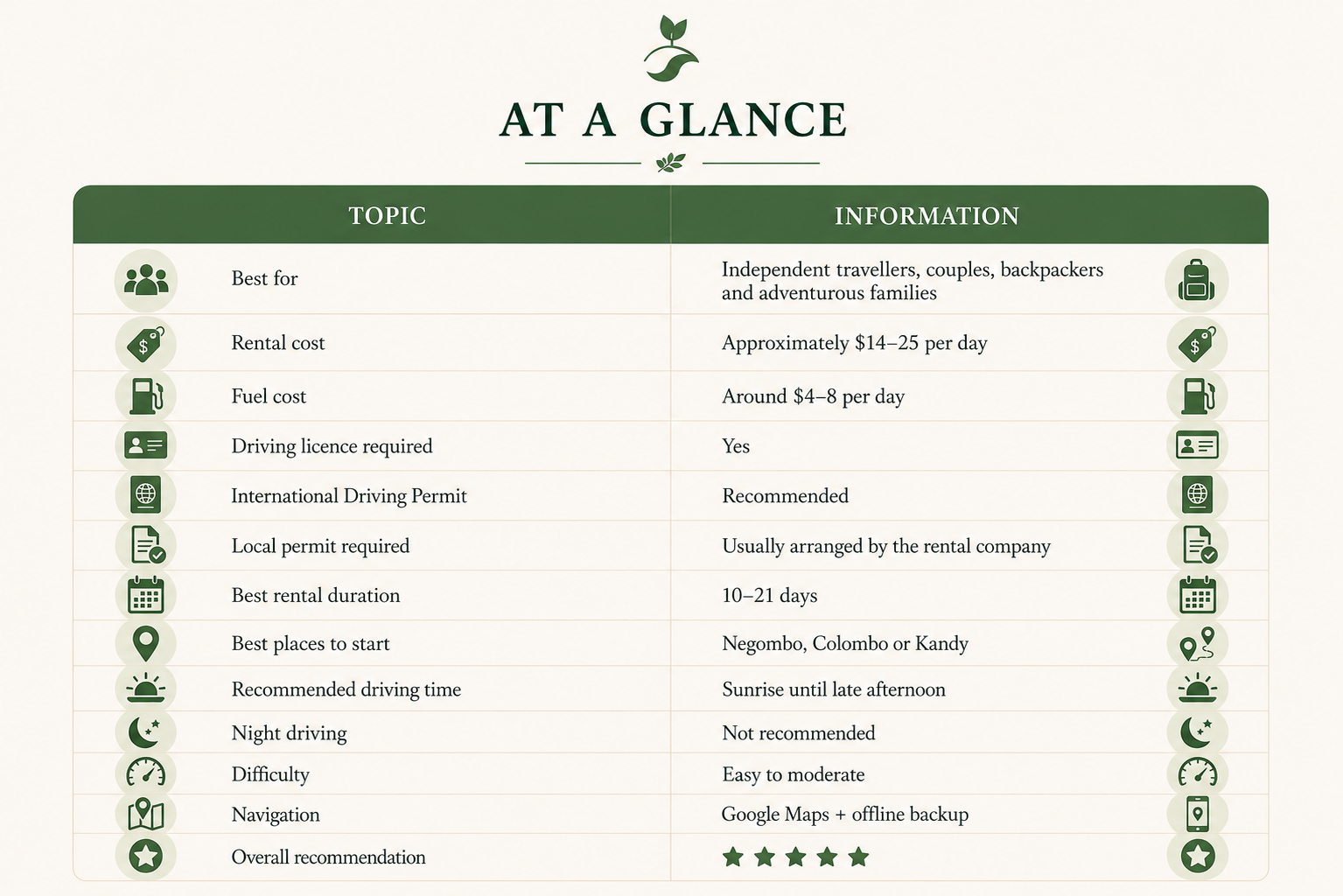
Tuk-tuk travel at a glance
Best suited to: confident drivers who want a slower road trip and flexible travel days.
Before paying: confirm licence eligibility, local authorisation for a three-wheeler and insurance in writing.
Budget: compare rental, permits, insurance excess, fuel, deposit and delivery charges.
Planning: allow time for training, manageable daily stages and breaks.
Driving: travel in daylight, adapt to conditions and use routes permitted for your vehicle.
Alternatives: a car with driver or a mix of trains and transfers may suit shorter trips or families better.
Why travel Sri Lanka by tuk tuk?
Sri Lanka is one of the few countries where renting your own tuk tuk is both affordable and practical. Distances between destinations are relatively short, the island has an extensive road network, and you'll regularly find fuel stations, guesthouses and local restaurants along the way. Unlike travelling by train or hiring a private driver, you're completely in control of your itinerary. Feel like spending another hour at a scenic viewpoint? Want to stop at a quiet beach that wasn't in your original plans? With your own tuk tuk, you simply can.
Travelling by tuk tuk also allows you to experience a more authentic side of Sri Lanka. Many of the island's hidden gems lie beyond the main tourist routes, and having your own transport makes them much easier to reach. Some of our favourite moments have happened completely by accident—sharing tea with local families, discovering roadside temples, finding tiny cafés with incredible food, or taking quiet backroads through rice fields and tea plantations that tour buses simply don't use. It's this sense of freedom that makes a tuk tuk road trip so rewarding.
Is renting a tuk tuk worth it?
For many travellers, absolutely. If you enjoy flexibility, spontaneous adventures and travelling independently, renting a tuk tuk can become one of the highlights of your entire trip. Instead of planning your holiday around train schedules or bus timetables, you create your own route and travel whenever you like. You decide where to stop, how long to stay and which hidden places to explore along the way.
A tuk tuk also allows you to reach attractions that are difficult to access by public transport, including:
Quiet beaches
Remote waterfalls
Small villages
Tea plantations
Scenic viewpoints
Local markets
Lesser-known temples
Financially, renting a tuk tuk can also be surprisingly affordable—especially for two or three travellers sharing the costs. That said, it's important to be realistic. A tuk tuk isn't the fastest or most comfortable way to travel. Expect average speeds of 30–50 km/h, occasional bumps in the road and exposure to the tropical weather. If comfort is your top priority, a private driver may be a better option. But if you're looking for adventure, flexibility and unforgettable memories, few experiences compare.
Pros and cons of travelling by tuk tuk
Advantages
Complete Freedom; Create your own schedule without relying on trains or buses.
Excellent Value; For couples or small groups, renting a tuk tuk is often cheaper than hiring a private driver every day.
Authentic Experience; You'll visit villages, local cafés and hidden places that organised tours usually skip.
Perfect for Photography; Stop whenever you discover a beautiful viewpoint, tea plantation or colourful temple.
Meet Local People; Travelling slowly naturally creates more opportunities to interact with Sri Lankans along the way.
Great for Flexible Itineraries; Stay longer in places you love and leave early if somewhere doesn't meet your expectations.
Disadvantages
Slower Travel; A journey that takes two hours by car may take three or four hours by tuk tuk.
Weather Exposure; Rain and strong midday heat can make longer drives less comfortable.
No Air Conditioning; Expect warm afternoons, especially along the coast.
Limited Storage; Packing light is highly recommended.
Driving Takes Energy; Unlike sitting in a train, you'll need to stay alert throughout the journey.
Who should rent a tuk tuk?
Travelling by tuk tuk is ideal for travellers who enjoy exploring beyond the typical tourist route.
It's particularly suitable for:
Couples looking for a unique road trip
Backpackers travelling independently
Small groups of friends
Families with older children
Photographers
Slow travellers
Digital nomads exploring the island
If you love road trips and don't mind driving, chances are you'll enjoy travelling by tuk tuk.
Who might prefer another way to travel?
Renting a tuk tuk isn't the perfect choice for everyone.
You may be happier travelling by train or with a private driver if you:
Feel uncomfortable driving abroad
Prefer maximum comfort
Have mobility limitations
Travel with very young children
Carry several large suitcases
Only have a few days in Sri Lanka
For many first-time visitors, combining several transport options works particularly well—for example travelling by tuk tuk through the Cultural Triangle and southern coast while taking the famous train journey between Kandy and Ella.
Can tourists drive a tuk-tuk in Sri Lanka?
Do not assume that a foreign car licence or an ordinary tourist driving permit automatically authorises a three-wheeler. Eligibility, licence categories and the local recognition process need to match the vehicle you intend to drive.
Before paying a non-refundable deposit, ask the Automobile Association of Ceylon or the Department of Motor Traffic to confirm the current requirements for your nationality, licence and vehicle category. Ask the rental company to explain its process in writing, and check the documents before collecting the vehicle.
Your insurer must also accept the activity and the documents you hold. Training or a rental agreement does not replace driving authorisation.
What about an International Driving Permit?
An IDP accompanies your national licence; it does not replace it or automatically add a vehicle category. Arrange the appropriate document through an authorised issuer in your home country and confirm what local recognition is required.
For UK travellers, FCDO guidance describes the IDP and Sri Lankan recognition requirements. Travellers from other countries should check their own issuing authority as well. Do not treat an IDP as merely an optional extra.
Choosing a reliable tuk tuk rental company
Not all rental companies offer the same level of service. When comparing providers, look beyond the daily rental price.
A good rental company should include:
Comprehensive insurance options
Breakdown assistance
Clear rental agreement
Well-maintained vehicles
Honest pricing
Transparent deposit policy
Help arranging permits
Safety briefing before departure
Emergency contact number
Optional airport pickup
Reading recent customer reviews is always worthwhile. Companies with consistently positive feedback often provide much better support if something unexpected happens during your trip.
What is included in most rentals?
While every company differs slightly, most rentals include:
Tuk tuk
Basic insurance
Third-party liability cover
Safety briefing
Vehicle inspection
Spare tyre
Basic toolkit
Phone holder
Charging port
Emergency assistance
Some companies also provide:
Cooler box
Bluetooth speaker
Rain covers
Luggage straps
Local SIM card
Offline maps
Always ask exactly what's included before confirming your booking.
Costs of Renting a Tuk Tuk in Sri Lanka
One of the biggest advantages of travelling by tuk tuk is how affordable it can be compared with hiring a private driver or taking taxis between destinations. Your total costs depend on several factors, including the rental company, travel season, insurance package and the length of your rental. Discounts are often available for bookings of two weeks or longer.
Average daily rental prices
1–3 days —> $22–30 per day
4–7 days —> $18–26 per day
8–14 days —> $16–24 per day
15–21 days —> $14–22 per day
22+ days —> $13–20 per day
Booking well in advance—especially during the peak travel season from December to April—often results in better availability and lower daily rates.
Fuel costs
Sri Lankan tuk tuks are surprisingly fuel-efficient. On average, expect to spend around $4–8 per day on petrol, depending on your driving distance and terrain. Mountain roads around Nuwara Eliya, Ella and Haputale generally consume more fuel than flatter coastal routes.
As a rough guide:
Daily Distance —> Estimated fuel cost
40 km —> $3–4
80 km —> $5–6
120 km —> $7–9
A useful habit is to refuel whenever your tank drops below half, particularly in rural regions where petrol stations can be farther apart.
Insurance
Insurance options vary by rental company and are well worth comparing before you book.
Typical options include:
Basic insurance (often included)
Collision damage waiver (optional)
Reduced excess package
Premium all-inclusive cover
Paying slightly more for comprehensive insurance can provide valuable peace of mind, especially if it's your first time driving a tuk tuk abroad.
Security deposit
Most companies require a refundable security deposit before your trip begins.
The amount depends on the provider and insurance package selected, but deposits are commonly returned once the vehicle is inspected at the end of your rental period, provided no additional charges apply.
Always check:
Deposit amount
Accepted payment methods
Refund timeframe
Damage policy
Fuel policy
Understanding these details in advance helps avoid unexpected surprises when you collect or return your tuk tuk.
Driving tips, safety, navigation, fuel & insurance
Driving a tuk tuk in Sri Lanka is one of the most rewarding ways to explore the island, but it requires a different mindset than driving a car back home. Traffic can seem chaotic at first, road conditions vary between regions and you'll be sharing the road with buses, motorcycles, bicycles, pedestrians, stray dogs and even elephants.
The good news? Most travellers quickly gain confidence after their first day behind the handlebars. By driving defensively, planning your routes and following a few simple safety guidelines, you'll soon discover that exploring Sri Lanka by tuk tuk is far less intimidating than it initially appears.
Is driving a tuk tuk difficult?
For most people, driving a tuk tuk is easier than expected. Unlike a motorcycle, a tuk tuk has three wheels and provides more stability. The controls are relatively straightforward and the vehicle travels at a moderate speed, making it forgiving for first-time drivers. The biggest adjustment isn't learning how to operate the tuk tuk—it's adapting to Sri Lanka's unique traffic culture.
Expect:
Buses overtaking frequently
Motorcycles passing on both sides
Pedestrians crossing unexpectedly
Free-roaming dogs and cows
Busy town centres
Narrow village roads
Rather than driving aggressively, locals tend to communicate through eye contact, patience and the occasional horn. Once you understand this rhythm, driving becomes much more enjoyable. Our advice? Spend your first 30–60 minutes practising in a quiet area before setting off on longer journeys.
Understanding Sri Lankan traffic
Expect mixed traffic, overtaking vehicles, pedestrians and changing road conditions. A quiet-looking road does not guarantee an easy drive, and larger vehicles do not gain legal priority simply because of their size.
Drive defensively, keep a generous margin, let faster traffic pass when safe and do not assume another driver has seen you. If conditions exceed your confidence, stop somewhere safe and contact your rental provider rather than pushing on.
Driving on the left
Sri Lanka drives on the left-hand side of the road.
If you're used to driving on the right, allow yourself extra time to adjust during the first few hours.
Helpful reminders include:
Stay left after every turn.
Double-check roundabouts.
Take extra care when overtaking.
Let your passenger remind you if necessary.
Most travellers adapt surprisingly quickly.
Road conditions in Sri Lanka
Road quality varies considerably depending on where you're travelling.
Main roads between popular tourist destinations are generally well maintained.
Examples include:
Negombo → Sigiriya
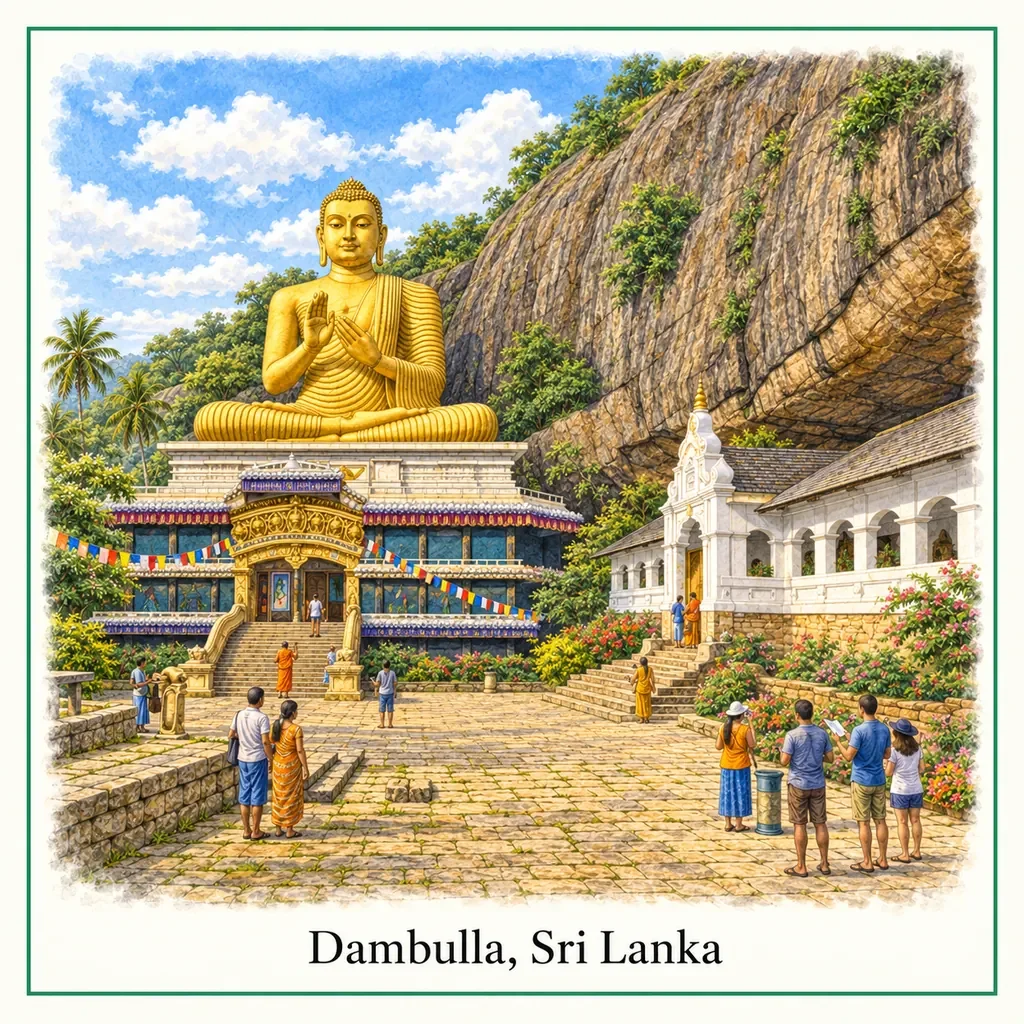
Kandy → Dambulla
Southern coastal roads
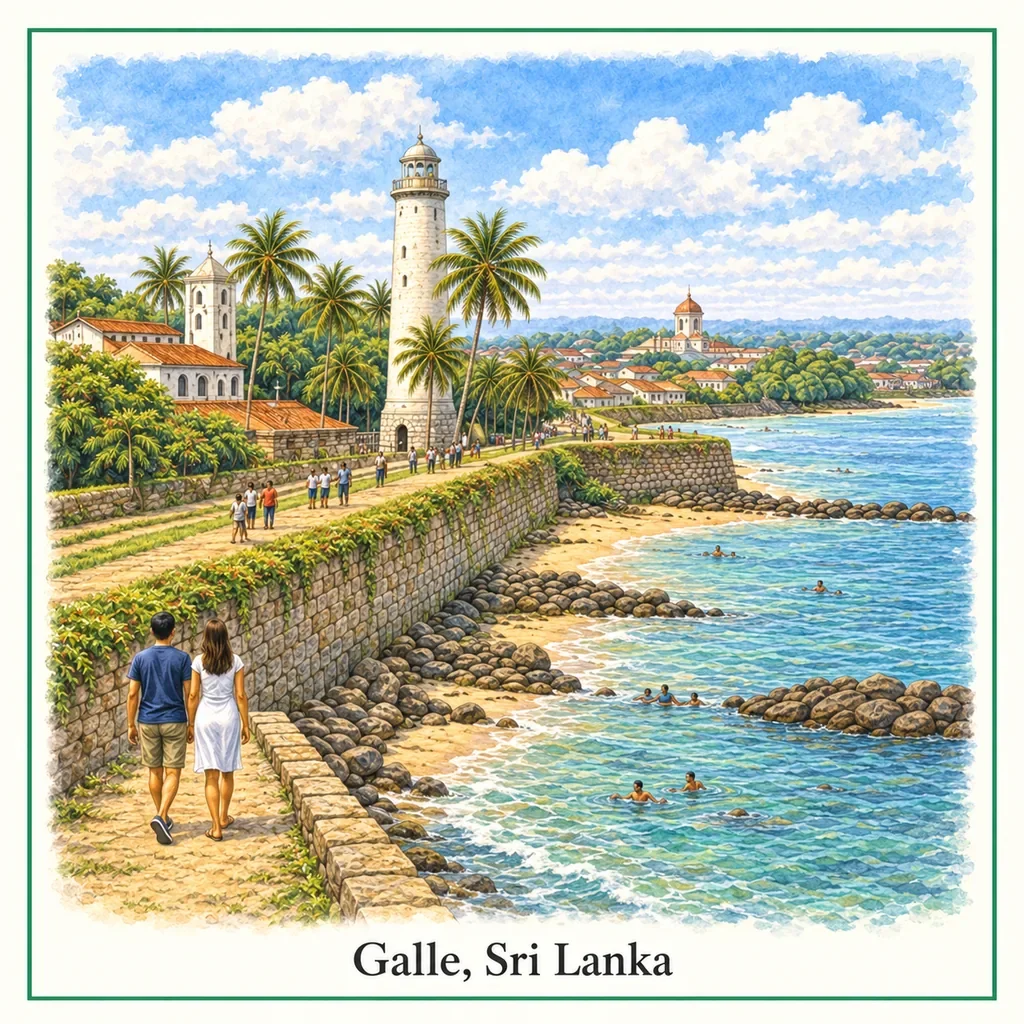
Galle → Mirissa
Mirissa → Tangalle
Mountain roads
Roads around:
are narrower and more winding.
Although they're paved, expect:
Sharp hairpin bends
Steep climbs
Slow-moving buses
Mist during early mornings
Occasional landslides during heavy rain
Drive slowly and enjoy the scenery.
Village roads
Some smaller roads may include:
Potholes
Gravel
Loose sand
Livestock
Children playing
These roads often lead to Sri Lanka's most beautiful hidden gems, so take your time.
Should you drive at night?
Our recommendation is simple: Avoid driving after sunset whenever possible.
Night driving presents several additional challenges:
Limited street lighting
Poorly visible pedestrians
Animals on the road
Cyclists without lights
Unexpected potholes
Rain reducing visibility
Instead, aim to arrive at your accommodation before dusk. A good rule is to finish driving between 4:30 PM and 6:00 PM, depending on the season.
How far should you drive each day?
One of the biggest mistakes visitors make is trying to cover too much distance. Although destinations may appear close on Google Maps, average speeds are much lower than in Europe or North America.
A comfortable travel day usually includes:
50–100 km of driving
Plenty of sightseeing stops
Lunch at a local restaurant
Time for spontaneous detours
Driving less allows you to enjoy the journey rather than simply rushing between destinations.
Essential driving tips
Before you hit the road, keep these practical tips in mind.
Start early —> Morning temperatures are cooler, traffic is lighter and wildlife is more active. Leaving between 7:00 AM and 8:00 AM is ideal.
Drive defensively —> Assume other road users may make unexpected decisions. Keep a safe distance and remain patient.
Don't rush —> Travelling by tuk tuk is about the journey—not the destination. Take regular breaks and enjoy roadside cafés, viewpoints and local markets.
Use your horn politely —> In Sri Lanka, the horn is often used simply to let others know you're approaching. A quick beep before entering blind corners is completely normal.
Watch for speed bumps —> Many villages have unmarked speed bumps. Reduce speed whenever entering built-up areas.
Wear sunglasses —> The tropical sun can be surprisingly bright, particularly during midday.
Stay hydrated —> Carry plenty of drinking water, especially when travelling through the Cultural Triangle or southern coast.
Safety tips for first-time drivers
Following a few basic precautions can make your road trip much safer.
Always:
Wear your seatbelt if fitted.
Keep both hands on the handlebars.
Secure loose luggage.
Lock valuables out of sight.
Carry cash for smaller villages.
Keep emergency numbers saved offline.
Download offline maps before departure.
Avoid:
Driving while tired.
Using your phone while driving.
Overtaking buses on blind corners.
Driving during heavy storms.
Leaving passports inside the tuk tuk.
Police checkpoints
Police checkpoints are common throughout Sri Lanka. There's no reason to worry—they're usually routine.
Officers may ask to see:
Passport copy
Driving licence
International Driving Permit
Local driving permit
Rental agreement
Keep these documents together in a waterproof folder for easy access. Being polite and patient goes a long way.
Wildlife on the roads
One of the unique aspects of driving in Sri Lanka is encountering wildlife.
You may come across:
Monkeys
Peacocks
Water buffalo
Cows
Monitor lizards
Dogs
Elephants (especially near national parks)
Always slow down. Never feed wildlife or attempt to drive around elephants if they're blocking the road. If elephants are nearby, remain inside your vehicle and wait until they move away naturally.
Driving during the rainy season
Sri Lanka experiences two monsoon seasons, depending on the region.
Heavy rain can:
Reduce visibility.
Make roads slippery.
Create standing water.
Increase stopping distances.
If visibility becomes poor, pull over somewhere safe and wait until conditions improve. Fortunately, tropical showers often pass quickly.
Navigation in Sri Lanka
Navigation is straightforward, provided you're prepared. The best approach is combining online and offline navigation.
Google Maps
Google Maps works very well throughout most of Sri Lanka.
Advantages:
Accurate routes
Live traffic information
Reliable destination search
Fuel stations
Restaurants
Hotels
Keep in mind that estimated travel times are sometimes optimistic for tuk tuks.
Offline Maps
Mobile signal is generally good, but mountain areas can occasionally lose coverage.
Download offline maps before your trip.
This provides extra security if reception disappears.
Local SIM Card
Buying a local SIM card upon arrival is highly recommended.
Benefits include:
Better navigation
Easier hotel communication
Restaurant searches
Translation apps
Emergency calls
Tourist SIM cards are inexpensive and available at the airport.
Fuel tips
These simple habits make road trips much easier.
✔ Refill when your tank reaches half full.
✔ Carry cash, as smaller stations may not always accept international cards.
✔ Fill up before entering remote regions.
✔ Check opening hours if travelling very early or late.
✔ Ask your accommodation about nearby fuel stations.
Parking your tuk tuk
Parking is generally easy throughout Sri Lanka.
Most hotels provide free parking.
You'll also find parking near:
Restaurants
Attractions
Beaches
Temples
National parks
When parking:
Avoid blocking entrances.
Don't leave valuables visible.
Use shaded parking whenever possible.
Lock the vehicle if you're leaving it unattended.
Many local shop owners are happy to keep an eye on parked vehicles if you make a small purchase.
Check insurance before collecting the vehicle
Ask for the policy wording and written confirmation that your documents, vehicle category and intended use are covered. A package called “premium” or “all-inclusive” can still have exclusions.
What third-party liability and vehicle damage cover apply?
What excess or deposit could you lose after an incident?
Are tyres, glass, theft, passengers and recovery included or excluded?
What reporting steps are required after an accident?
Does your separate travel insurance cover you and your passengers for this activity?
Keep emergency and roadside-assistance contacts accessible. Do not assume a damage waiver replaces every type of insurance.
What happens if your tuk tuk breaks down?
Mechanical issues are uncommon with well-maintained rental vehicles, but they can happen.
If your tuk tuk develops a problem:
Pull over safely.
Contact your rental company immediately.
Follow their instructions.
Avoid attempting major repairs yourself.
Most reputable companies provide roadside assistance and can arrange repairs or a replacement vehicle if necessary.
Sri Lankans are famously friendly, and if you experience a minor issue in a village, don't be surprised if locals stop to offer assistance.
Our personal driving tips
After travelling extensively around Sri Lanka, these are the tips that made the biggest difference for us:
✔ Collect your tuk tuk in Negombo rather than central Colombo if possible. The traffic is calmer, making it much easier to build confidence.
✔ Start every driving day early. The roads are quieter, temperatures are cooler and you'll have more time for unexpected stops.
✔ Keep your daily driving distances realistic. The best memories often come from the places you didn't plan to visit.
✔ Don't be afraid to stop frequently. Whether it's a roadside coconut stand, a hidden temple or a scenic tea plantation, these spontaneous moments are often the highlights of a tuk tuk adventure.
✔ Embrace the slower pace. Travelling by tuk tuk isn't about reaching your destination quickly—it's about enjoying everything you discover along the way.
Best tuk tuk route, practical tips & planning your road trip
One of the greatest advantages of travelling by tuk tuk is that you're not tied to train schedules or bus routes. You can build an itinerary that matches your travel style, stop whenever something catches your eye and spend more time in the places you truly enjoy. That said, planning a realistic route is important. Although Sri Lanka may look small on a map, travel times are often longer than expected due to winding mountain roads, wildlife crossings and the slower pace of tuk tuk travel. Below you'll find our recommended route, along with practical planning advice to help you make the most of your adventure.
Our recommended tuk tuk route
If you're visiting Sri Lanka for the first time, we recommend travelling clockwise around the island. This route combines cultural highlights, tea country, wildlife and some of Sri Lanka's most beautiful beaches while avoiding unnecessary backtracking.
Day 1–2: Negombo
A relaxed coastal town close to the international airport and the perfect place to collect your tuk tuk.
Highlights:
Negombo Fish Market
Dutch Canal
Negombo Beach
Lagoon boat tour
Why start here?
Traffic is considerably calmer than in Colombo, making it an excellent place to gain confidence before longer drives.
Day 3–4: Sigiriya
Distance from Negombo: approximately 160 km
The Cultural Triangle is one of the easiest regions to explore by tuk tuk.
Don't miss:
Sigiriya Rock Fortress
Pidurangala Rock
Minneriya National Park
Local villages
Day 5–6: Kandy
Distance from Sigiriya: approximately 90 km
Sri Lanka's cultural capital offers temples, markets and beautiful viewpoints.
Highlights include:
Temple of the Tooth
Kandy Lake
Royal Botanical Gardens
Bahirawakanda Buddha
Day 7–8: Nuwara Eliya
Distance from Kandy: approximately 75 km
Enjoy scenic mountain roads, waterfalls and tea plantations.
Expect slower driving due to steep roads and hairpin bends.
Day 9–10: Ella
Distance from Nuwara Eliya: approximately 55 km
Ella is one of the island's most popular destinations.
Top attractions include:
Nine Arch Bridge
Little Adam's Peak
Ella Rock
Ravana Falls
Spend at least two nights here to fully enjoy the area.
Day 11–12: Yala or Udawalawe
Choose between:
Leopard spotting in Yala National Park
Elephant safaris in Udawalawe National Park
Roads become warmer and flatter as you leave the mountains.
Day 13–15: South Coast
Continue towards:
Tangalle
Mirissa
Weligama
Unawatuna
Galle
Relax on beautiful beaches, enjoy fresh seafood and experience Sri Lanka's laid-back coastal atmosphere.
Optional Extensions
If you have three weeks or longer, consider adding:
Trincomalee
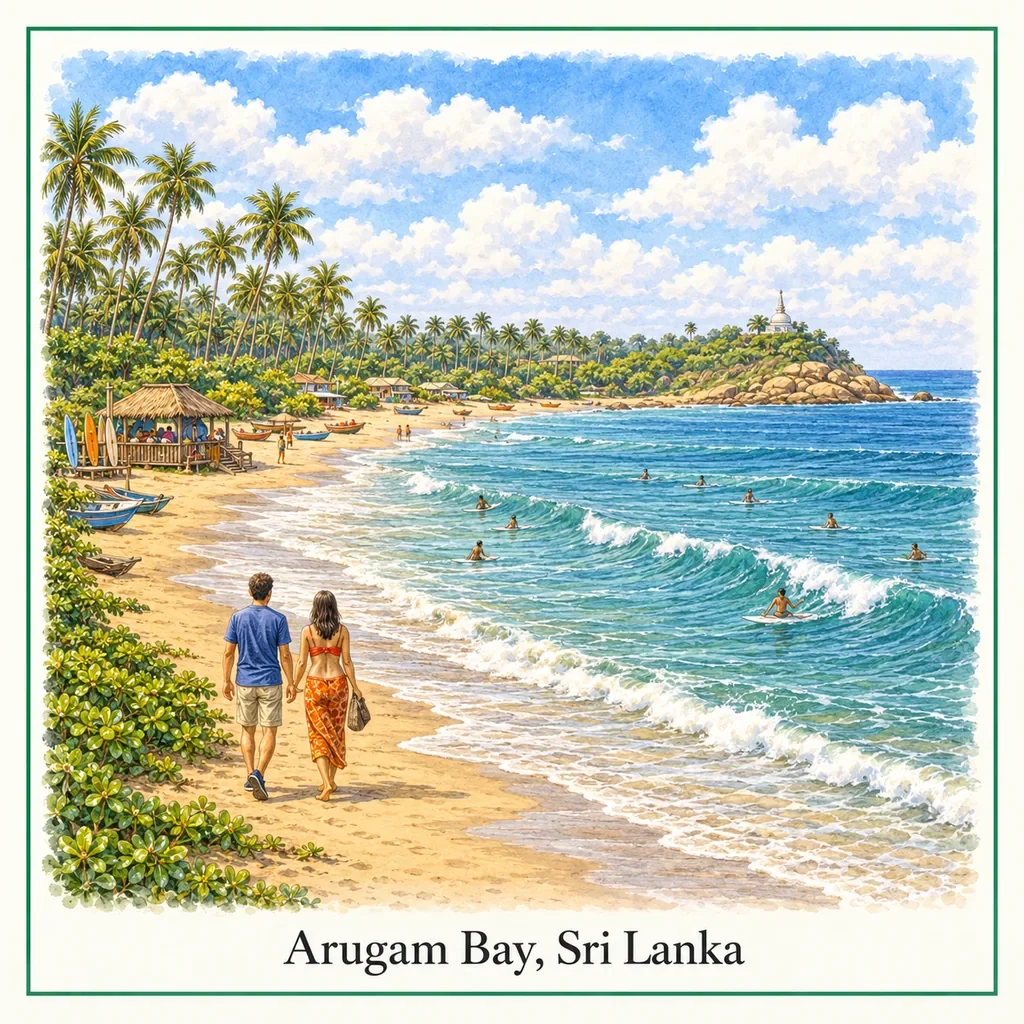
Arugam Bay
Jaffna
Kalpitiya
Haputale
Knuckles Mountain Range
How long should you rent a tuk tuk?
This depends on your itinerary.
One week
Suitable if you're only exploring one region, such as:
Cultural Triangle
South Coast
Hill Country
Two weeks (recommended)
The ideal balance.
You'll have enough time to explore:
Cultural Triangle
Kandy
Tea Country
Ella
Safari
South Coast
Without feeling rushed.
Three weeks
Perfect for travellers wanting to discover lesser-known destinations and travel at a slower pace.
Best time to travel by tuk tuk
Sri Lanka has two monsoon seasons, so the best time depends on which part of the island you're visiting.
December–April
Ideal for:
South Coast
West Coast
Hill Country
This is the most popular period for tuk tuk road trips.
May–September
Better for:
East Coast
Trincomalee
Arugam Bay
Jaffna
October–November
Expect occasional rain throughout much of the country. Road trips are still possible, but allow additional flexibility.
Practical tips for your road trip
Small preparations can make a big difference.
Carry cash —> Although card payments are becoming more common, many fuel stations, cafés and small guesthouses still prefer cash.
Book accommodation in advance during peak season —> Between December and April, popular destinations like Ella and Mirissa can fill up quickly. Booking one or two nights ahead provides flexibility while avoiding disappointment.
Plan plenty of stops —> The journey is just as important as the destination. Roadside cafés, coconut stalls and scenic viewpoints are all part of the experience.
Avoid overpacking —> A tuk tuk has limited luggage space. Soft backpacks are much easier to store than large hard-shell suitcases.
Keep drinking water within reach —> Sri Lanka's tropical climate can be surprisingly hot, particularly during afternoon drives.
Check the weather —> Mountain weather changes quickly. Rain is common during the afternoon in tea country.
Ten common mistakes first-time drivers make
Learning from other travellers can save you time, money and unnecessary stress.
1. Driving after dark —> This is by far the biggest mistake. Road conditions become much more challenging after sunset.
2. Trying to cover too much distance —> Google Maps might suggest three hours. In reality, you'll probably spend five once you include sightseeing stops.
3. Packing too much —> Remember that you'll need space for luggage, shopping and everyday essentials.
4. Ignoring fuel levels —> Petrol stations become less frequent in remote regions. Never let your tank run close to empty.
5. Underestimating mountain roads —> Roads around Ella and Nuwara Eliya are beautiful—but slow. Allow extra travel time.
6. Driving too fast —> You'll enjoy the journey much more by travelling slowly. Unexpected wildlife and pedestrians are common.
7. Forgetting offline maps —> Mobile reception is generally good, but not everywhere. Offline navigation provides valuable backup.
8. Not taking breaks —> Driving in tropical heat can be tiring. Stop regularly for water, coffee or fresh fruit.
9. Leaving valuables visible —> Although Sri Lanka is generally safe, it's always wise to keep valuables out of sight.
10. Skipping insurance —> Choosing the cheapest insurance isn't always the smartest decision. Comprehensive cover offers valuable peace of mind.
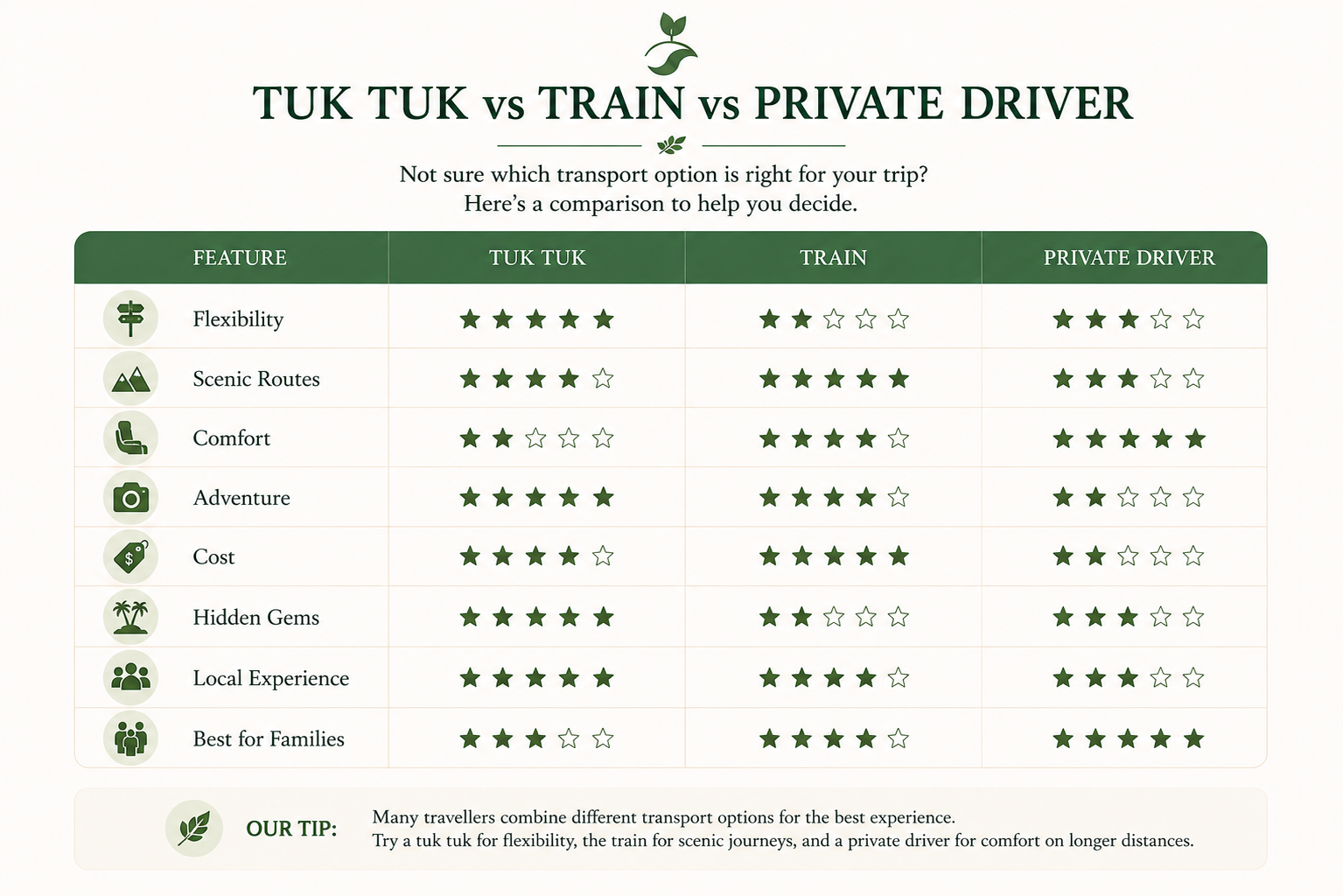
Tuk tuk vs train vs private driver
Not sure which transport option is right for your trip? Here's a comparison to help you decide.
Our recommendation
Choose a tuk tuk if you:
Love road trips.
Want complete flexibility.
Enjoy discovering hidden places.
Prefer travelling independently.
Choose the train if you:
Want a relaxing journey.
Plan to travel between Kandy and Ella.
Don't want to drive.
Choose a private driver if you:
Prioritise comfort.
Have limited time.
Prefer someone else to navigate.
Many travellers combine all three methods during their trip—for example, renting a tuk tuk for most of the island while taking the famous Kandy to Ella train journey.
Is a tuk-tuk road trip suitable for families?
Consider passenger limits, seating and restraints, luggage, weather exposure and your children’s ability to manage long road journeys. Do not treat a tuk-tuk as offering the same protection or comfort as a car.
Ask the rental company and insurer to confirm the arrangements for every passenger before booking. A private car with suitable child restraints may be the more practical choice, particularly with young children or a larger family.
If you choose a tuk-tuk, keep stages short, travel in daylight and plan frequent breaks. Our family travel guide helps compare the wider options.
Our favourite unexpected stops
Some of our best memories came from places we hadn't planned to visit.
While driving around Sri Lanka, keep an eye out for:
Fresh coconut stalls
Tiny roadside bakeries
Buddhist temples
Rice fields
Tea factories
Local fruit markets
Scenic reservoirs
Village cafés
Don't be afraid to stop.
These unplanned moments often become the stories you'll remember most.
Continue planning your Sri Lanka road trip
Two-week tuk-tuk itinerary: adapt daily stages to your confidence and the weather.
Sri Lanka travel tips: documents, seasons and route planning.
Budget travel guide: plan transport alongside accommodation and activities.
Hill-country train guide: compare a scenic rail section with driving the whole route.
Sri Lanka with kids: choose a comfortable pace and transport for your group.
-
Yes. Sri Lanka is considered one of the easiest countries in Asia for first-time tuk tuk drivers. Outside Colombo, traffic is generally relaxed, roads are well maintained and distances between destinations are manageable. The most important safety advice is to drive defensively, avoid travelling after dark and take your time on mountain roads.
👉 Read our complete driving tips & safety guide above for detailed advice on road conditions, police checkpoints, wildlife and mountain driving.
-
Yes.
Foreign visitors need:
A valid driving licence
An International Driving Permit (recommended)
A temporary Sri Lankan driving permit
Fortunately, most reputable rental companies arrange the local permit before or shortly after your arrival.
👉 See the section "Do You Need an International Driving Permit?" for a full explanation of the required documents.
-
Some rental companies offer airport delivery or collection in Negombo, which is only a short drive from Bandaranaike International Airport.
We actually recommend collecting your tuk tuk in Negombo rather than Colombo. The roads are quieter, giving you the chance to get comfortable with the vehicle before tackling busier traffic.
-
Rental prices generally range between $14 and $30 per day, depending on the season, rental duration and insurance package.
Don't forget to include additional costs such as fuel, insurance and your refundable security deposit when planning your travel budget.
👉 See our detailed Costs of Renting a Tuk Tuk section for a complete price breakdown.
-
Fuel is surprisingly affordable. Most travellers spend around $4–8 per day, although this depends on your daily driving distance and whether you're travelling through the hill country.
👉 We also share practical advice in our Fuel Stations & Fuel Tips section, including why we recommend refuelling once your tank reaches half full.
-
Not as difficult as many travellers expect. Most visitors feel comfortable after an hour of practice. The biggest adjustment is getting used to Sri Lanka's driving style rather than operating the tuk tuk itself. Starting your journey in Negombo instead of Colombo makes learning much easier.
👉 Read the "Is Driving a Tuk Tuk Difficult?" section for practical advice before your first drive.
-
We strongly recommend avoiding night driving. Roads often have limited lighting and it becomes much harder to spot pedestrians, cyclists, animals and potholes after sunset. Whenever possible, plan your route so you arrive at your accommodation before dusk.
👉 We explain exactly why in our Driving After Dark safety section.
-
Yes, especially for families with older children. Many families find it one of the highlights of their Sri Lanka holiday because you can stop whenever you like for beaches, viewpoints or local cafés. If you're travelling with babies, several large suitcases or simply prefer maximum comfort, hiring a private driver may be a better option.
👉 You can also compare all transport options in our tuk tuk vs train vs private driver comparison table.
-
Absolutely.
Many travellers complete a full loop around the island, including:
If you have more time, you can continue towards Trincomalee, Arugam Bay or even Jaffna.
👉 Check out our recommended Tuk Tuk Route for a suggested 2- and 3-week itinerary.
-
It can be, but we usually recommend starting in Negombo instead. Traffic is lighter, roads are easier to navigate and you'll gain confidence before reaching busier areas. Negombo is also conveniently located close to Bandaranaike International Airport.
👉 See our best places to start Your road trip section for more advice.
-
Google Maps is the best navigation app for most travellers. We recommend downloading offline maps before leaving each destination, particularly when travelling through the hill country or remote national park regions. Buying a local SIM card also makes navigation much easier.
👉 Our navigation in Sri Lanka section explains everything you need to know.
-
Reputable rental companies provide roadside assistance and can arrange repairs or a replacement vehicle if necessary. Mechanical problems are relatively uncommon with well-maintained vehicles. Before booking, always check what level of breakdown support is included.
👉 Read What Happens if Your Tuk Tuk Breaks Down? for more information.
-
Most rental companies include basic insurance. However, the amount of cover varies significantly between providers. For longer road trips, we recommend choosing comprehensive insurance with roadside assistance and a lower excess.
👉 We explain the different options in our Insurance Explained section.
-
Parking is generally straightforward throughout Sri Lanka. Hotels, restaurants, beaches and tourist attractions usually provide parking areas, many of them free of charge. As with any destination, avoid leaving valuables visible inside the vehicle.
👉 See our Parking Your Tuk Tuk section for additional tips.
-
For most first-time visitors, 10–21 days is ideal. This gives you enough time to comfortably explore the Cultural Triangle, Kandy, the Tea Country, Ella, a national park and the south coast without feeling rushed.
👉 Our Recommended Route section shows exactly how to divide your days.
Frequently asked questions about renting a tuk tuk in Sri Lanka
Still have questions? Below you'll find answers to the questions we hear most often from travellers planning a tuk tuk road trip around Sri Lanka.