Negombo

Your gentle introduction to Sri Lanka
Why should you visit Negombo

Just north of Colombo, along Sri Lanka’s west coast, Negombo offers a soft and unhurried introduction to the island. Shaped by the sea, the lagoon, and generations of fishing culture, Negombo feels practical yet atmospheric — a place where travel begins or gently comes to an end.

Life here is closely tied to water. Fishing boats line the shore, nets dry in the sun, and the lagoon weaves quietly through town. Negombo does not overwhelm; it settles you in, allowing space to adjust, observe, and arrive.

You should visit Negombo if you are looking for an easy and authentic starting or ending point for your journey through Sri Lanka. Its close proximity to the international airport makes it ideal for recovery after a long flight or for a calm final night before departure — without immediately diving into busy city life.

Negombo offers a glimpse into everyday coastal life. The fish market at dawn, the canals built during the Dutch colonial period, and the steady rhythm of lagoon activity provide insight into a working town rather than a curated destination. This authenticity makes Negombo quietly engaging, especially for travelers who enjoy observing daily routines.

What truly sets Negombo apart is its role as a transition space. It bridges arrival and exploration, rest and movement. Beach walks, lagoon boat trips, and simple meals help reset your pace before heading inland — or allow reflection after weeks of travel.

For travelers seeking a gentle, grounded coastal stop in Sri Lanka, Negombo offers ease, local character, and a sense of calm that prepares you for what lies ahead — or helps you let go before heading home.

What to to in Negombo

Negombo is the ideal place to start or end your journey through Sri Lanka. This vibrant coastal town, located just north of Colombo International Airport, offers a relaxed introduction to the country’s culture, nature and daily life. Here, travel slows down naturally — exactly the way we like it at Beyond Path Asia. Spend time along Negombo’s wide sandy beaches, where traditional fishing boats line the shore and early mornings are filled with local life. Walk through authentic fishing villages, visit the lively fish market, and taste freshly prepared local dishes in small family-run restaurants and beach cafés.

One of the highlights of Negombo is the lagoon. A boat trip through the Negombo Lagoon takes you past mangroves, birdlife and quiet waterways, offering a peaceful contrast to the coast. Along the way, you’ll see how local communities live and work in harmony with nature — an experience that feels genuine and unfiltered. Negombo also reflects Sri Lanka’s colonial history. Its canals, churches and historic buildings tell stories of Portuguese and Dutch influence, blending seamlessly with everyday Sri Lankan life.

At Beyond Path Asia, we believe travel is about connection rather than checklists. Negombo is not a place to rush through — it’s a place to arrive, breathe and settle into the rhythm of Sri Lanka. Whether you’re recovering from a long flight or gently closing your adventure by the sea, Negombo sets the tone for a journey beyond the obvious path.

What to do in Negombo
Negombo beach Sri Lanka sunset fishing boats palm trees west coast

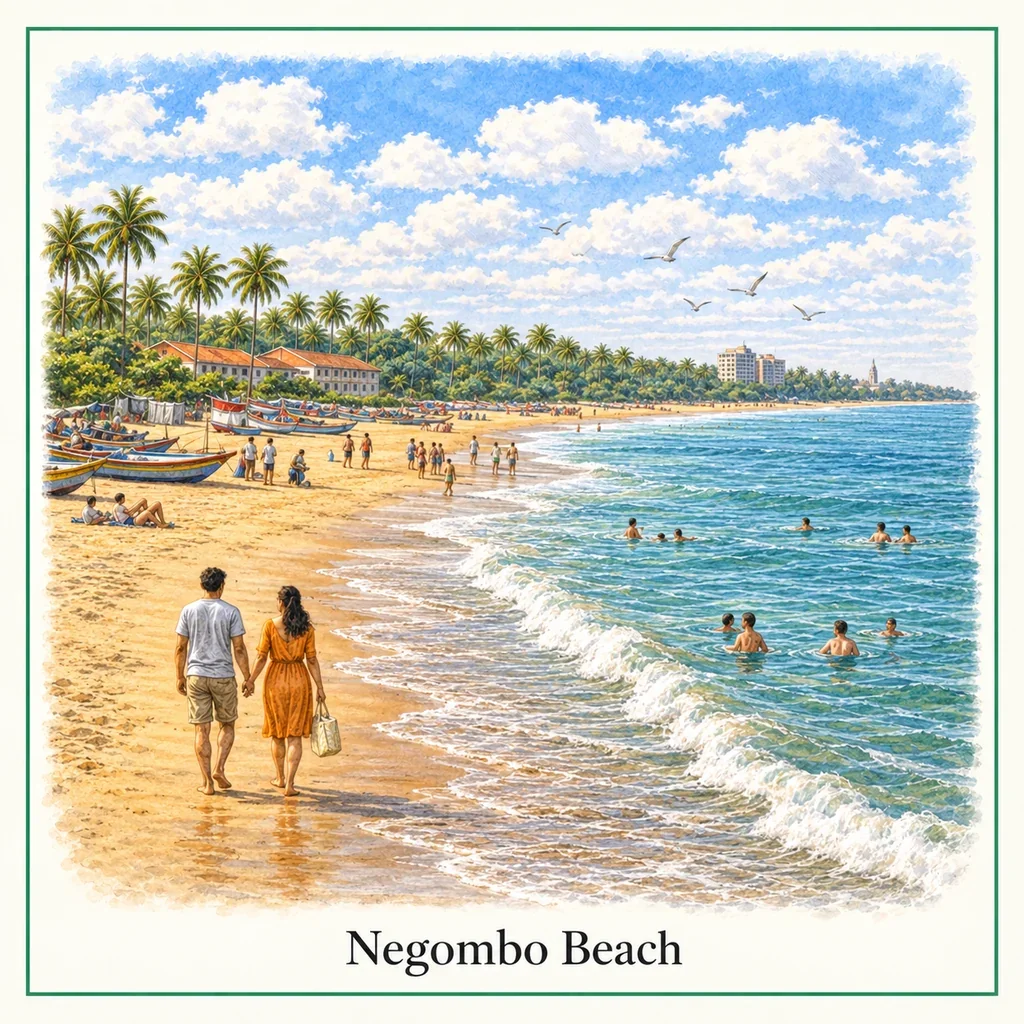
Wander Negombo Beach — Your first encounter with Sri Lanka’s coast

Stretching along Sri Lanka’s west coast, Negombo Beach offers a calm and accessible introduction to the island’s coastal rhythm. Located close to Bandaranaike International Airport, Negombo Beach is often a first or last stop on a Sri Lanka journey — but it deserves more than a brief pause. This is not a polished resort beach, but a living shoreline shaped by fishing traditions, changing light, and everyday routines.

Walking along the beach reveals its character slowly. Fishing boats rest on the sand, nets dry in the sun, and locals move between work and rest as waves roll steadily ashore. The atmosphere feels open and grounded rather than touristic, making it an ideal place to unwind after travel or gently transition back to city life.

Negombo Beach is especially known for its sunsets. As the sun drops into the Indian Ocean, the sky softens into layers of orange and pink, and the beach becomes a gathering place for evening walks, quiet conversation, and reflection. The light changes quickly, but the calm lingers long after.

Practical information:

  • Best time to visit: Early morning for quiet walks or sunset for atmosphere

  • Swimming: Possible, but currents can be strong — check local conditions

  • Activities: Beach walks, sunset watching, casual cafés and seafood restaurants nearby

  • Tip: Evenings are cooler and ideal for long strolls along the shore

Negombo Beach is less about activity and more about adjustment. It offers space to slow down, observe coastal life, and let the rhythm of Sri Lanka settle in — gently, with the sound of waves always nearby.

Explore Negombo Lagoon — A living portrait of local life

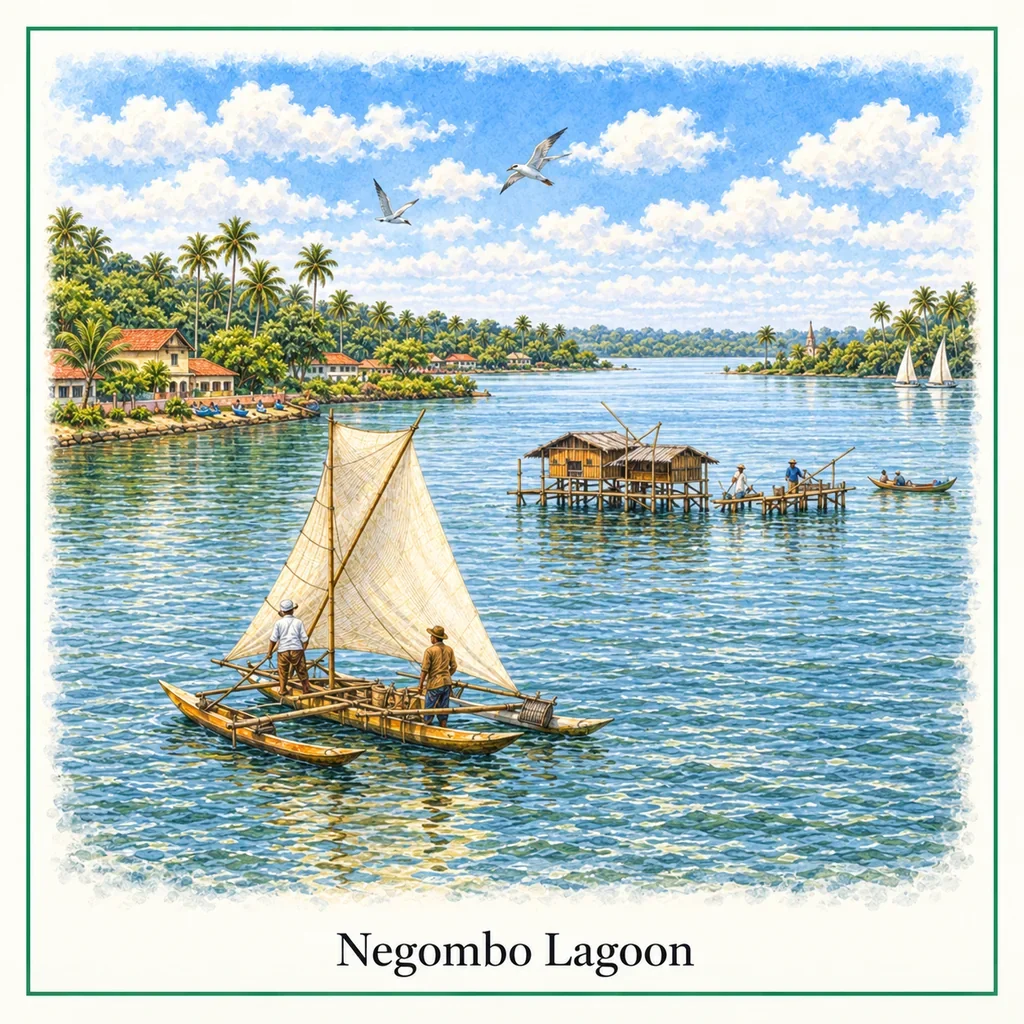
Just inland from the coast, Negombo Lagoon reveals a quieter, more intimate side of Negombo. While the nearby beach faces the open ocean, the lagoon is calm and enclosed — a wide network of waterways, mangroves, and fishing villages where daily life is shaped by tides rather than waves.

Exploring Negombo Lagoon offers insight into traditional livelihoods that have existed here for generations. Small wooden fishing boats move slowly through narrow channels, fishermen tend to nets by hand, and birds gather among the mangroves. The atmosphere feels unhurried and deeply connected to nature, making the lagoon a refreshing contrast to busier coastal areas.

One of the best ways to experience the lagoon is by boat. Guided lagoon tours take you through mangrove tunnels and open water, often stopping near fishing villages or bird-rich areas. These trips are as much about observation as movement — watching how people, water, and landscape coexist.

Practical information:

  • Best way to visit: Guided boat tour

  • Duration: 1.5–3 hours

  • Best time: Early morning for wildlife or late afternoon for light

  • What to bring: Hat, sunscreen, water

  • Tip: Choose a small, local operator for a more personal experience

A visit to Negombo Lagoon adds depth to your stay in Negombo. It shows how closely life here is tied to water — not only the sea, but the sheltered, living landscape just behind it. Quiet, reflective, and rich in everyday detail, the lagoon invites you to slow down and look more closely.

Negombo lagoon Sri Lanka boat tour mangroves sunset calm water
Negombo fish market Sri Lanka local fishermen fresh fish market morning

Visit the Negombo Fish Market — A fascinating cultural experience

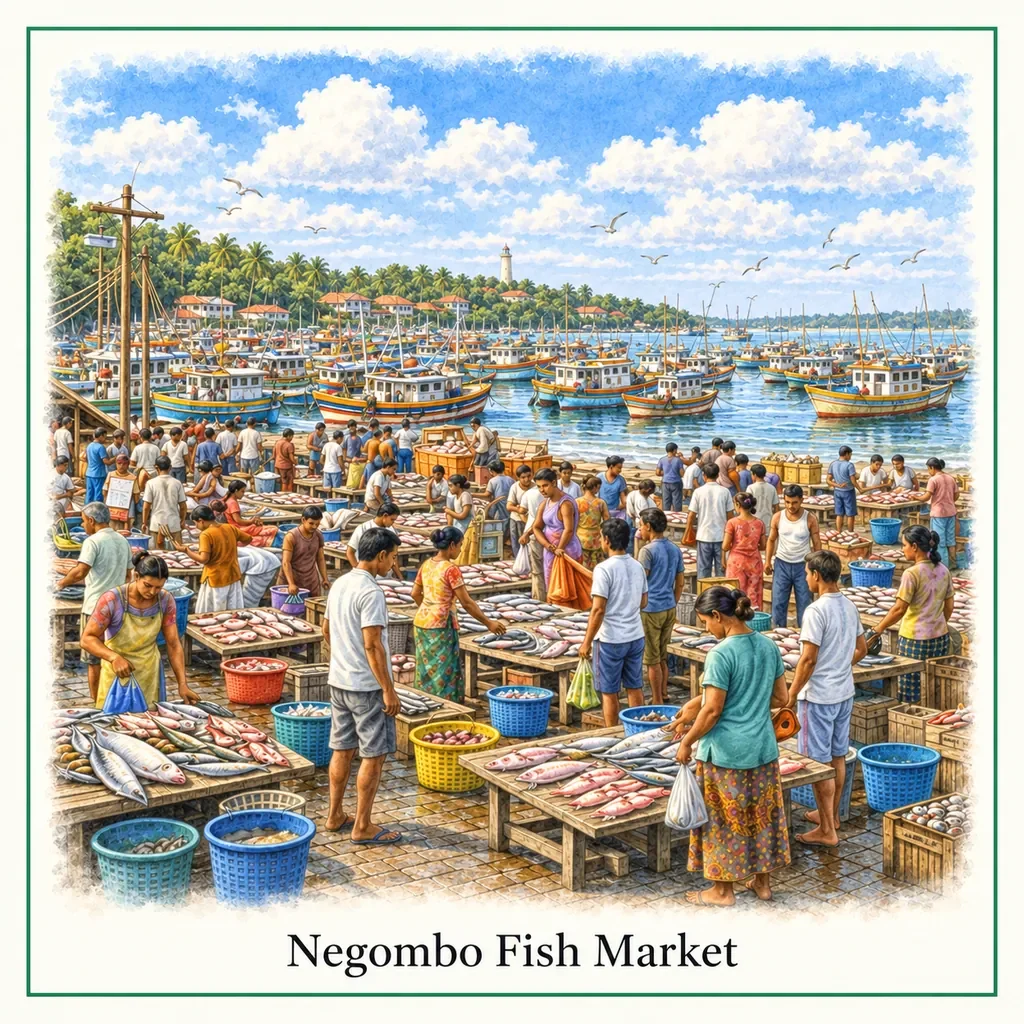
A visit to the Negombo Fish Market (Lellama) offers one of the most vivid and unfiltered experiences on Sri Lanka’s west coast. Known locally as Lellama, this is one of the largest fish markets in the country and a place where Negombo’s long fishing tradition comes fully to life.

The market is most active in the early morning, when fishing boats return from the Indian Ocean and the day’s catch is unloaded directly onto the sand and concrete stalls. Tuna, snapper, prawns, crabs, and squid are sorted, weighed, negotiated over, and sold at a rapid pace. The air is filled with movement, voices, and the unmistakable scent of the sea — raw, real, and unapologetically local.

Beyond the trading area, fish are laid out to dry in the sun along the beach, creating long rows of silver shapes against the sand. This traditional drying process has been used for generations and offers striking insight into how seafood is preserved and transported across the island.

Walking through the market is not about comfort or polish, but about observation. It shows the backbone of Negombo’s economy and the hard, physical work behind the seafood served in restaurants across Sri Lanka.

Practical information:

  • Best time to visit: Early morning (5:30–8:30 am)

  • Location: Near Negombo Lagoon and beach area

  • Expect: Strong smells, wet surfaces, busy atmosphere

  • Photography: Ask permission before photographing people

  • Tip: Wear sandals or shoes that can get dirty

Visiting the Negombo Fish Market adds depth to any stay in the area. It’s a powerful reminder that behind the calm beaches and lagoon sunsets lies a working coastal town — shaped by tides, labor, and a daily connection to the sea.

Discover Negombo’s colonial past — churches, canals & architecture

Exploring the colonial heritage of Negombo reveals a town shaped by centuries of global exchange. Portuguese, Dutch, and British influences are woven into Negombo’s streets, churches, canals, and coastal defenses, creating a layered landscape where history is still part of daily life rather than preserved behind museum glass.

Negombo’s colonial story is closely tied to trade, religion, and waterways. Walking through the town, you’ll notice how European architectural forms blend with local materials and tropical light, reflecting adaptation rather than imitation. These remnants provide context to Negombo’s identity as a working port town with deep Catholic roots.

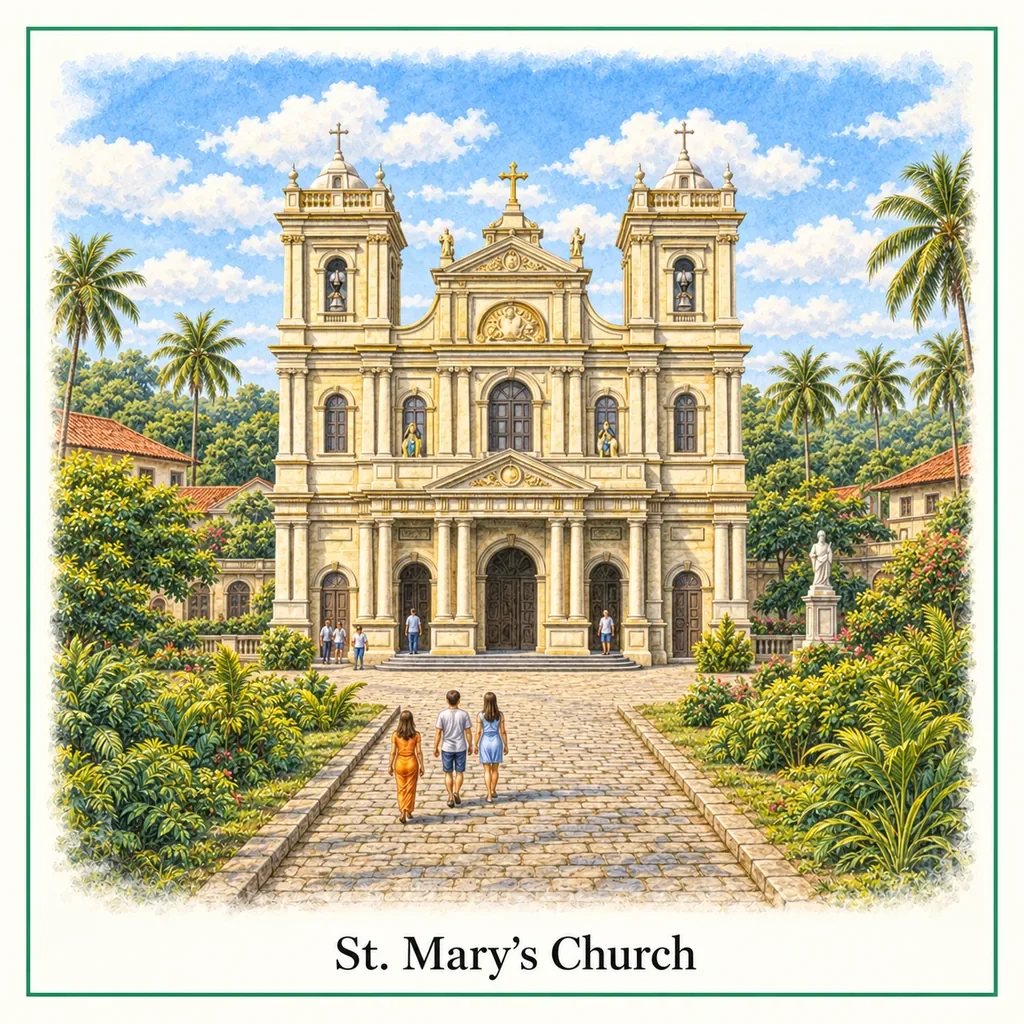
Visit St. Mary’s Church (St. Mary’s Cathedral)

One of the most striking symbols of Portuguese influence is St. Mary’s Church. From the outside, the church appears grand and restrained; inside, it reveals richly painted ceilings depicting biblical scenes in vivid color. The church remains active, anchoring Negombo’s strong Catholic community.

Practical tips:

  • Best time: Mid-morning or late afternoon

  • Dress modestly; photography may be limited during services

  • Take time to look up — the ceiling artwork is the highlight

St Mary’s Church Negombo Sri Lanka catholic church colonial architecture
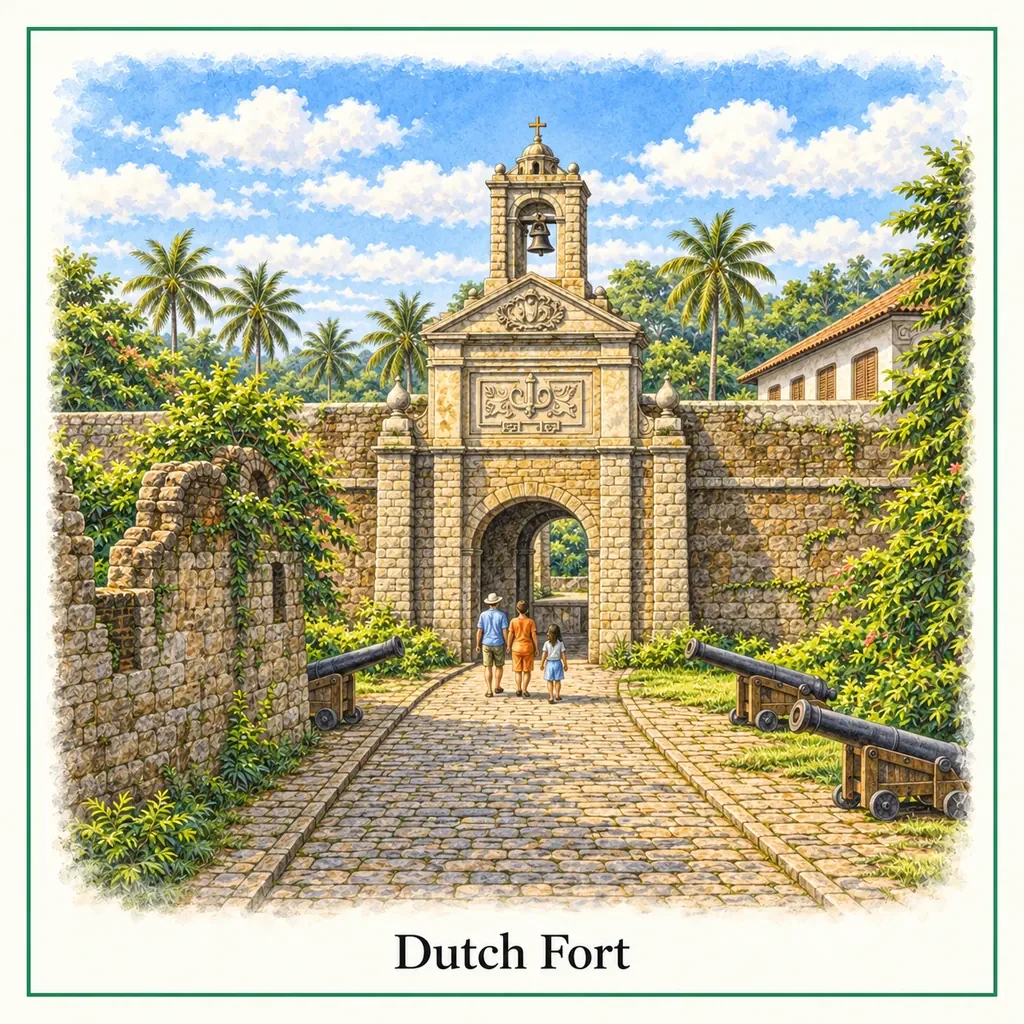
Dutch Fort Negombo Sri Lanka colonial history old fort lagoon entrance

Explore the Dutch Fort remains

Near the lagoon lie the remains of the Dutch Fort, once part of a larger defensive structure protecting Dutch trading interests. Though only fragments remain, the site offers a quiet moment to reflect on Negombo’s strategic importance and the changing tides of power along the coast.

Practical tips:

  • Combine with a lagoon walk

  • Visit during daylight hours

  • Expect minimal signage — atmosphere matters more than exhibits

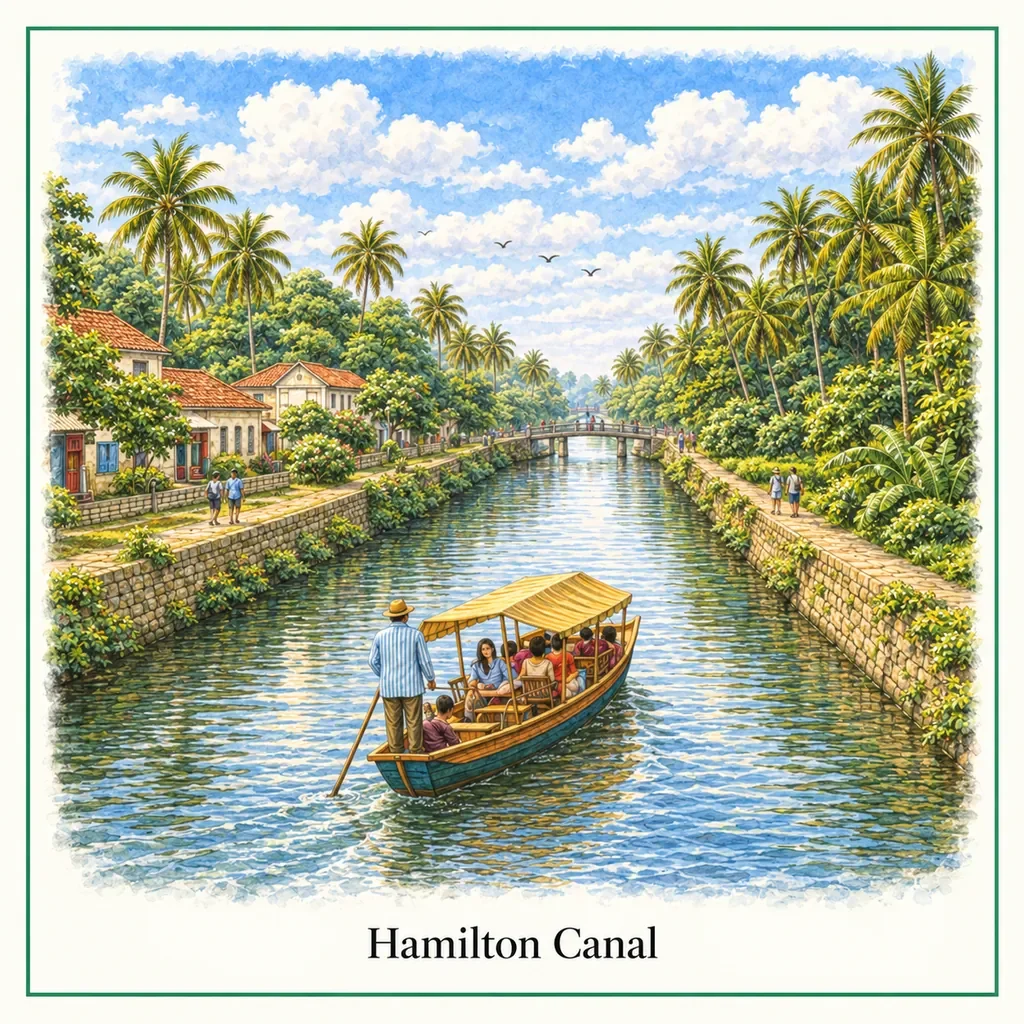
Walk along the Hamilton Canal

The Hamilton Canal is a living relic of Dutch engineering, built to transport cinnamon and goods along the coast. Today, the canal connects neighborhoods and livelihoods, with fishermen, birds, and everyday life unfolding along its banks.

Practical tips:

  • Best time: Morning or late afternoon

  • Look for quiet stretches away from traffic

  • Pair with a lagoon boat ride for context

Hamilton Canal Negombo Sri Lanka boat ride historic canal Dutch era
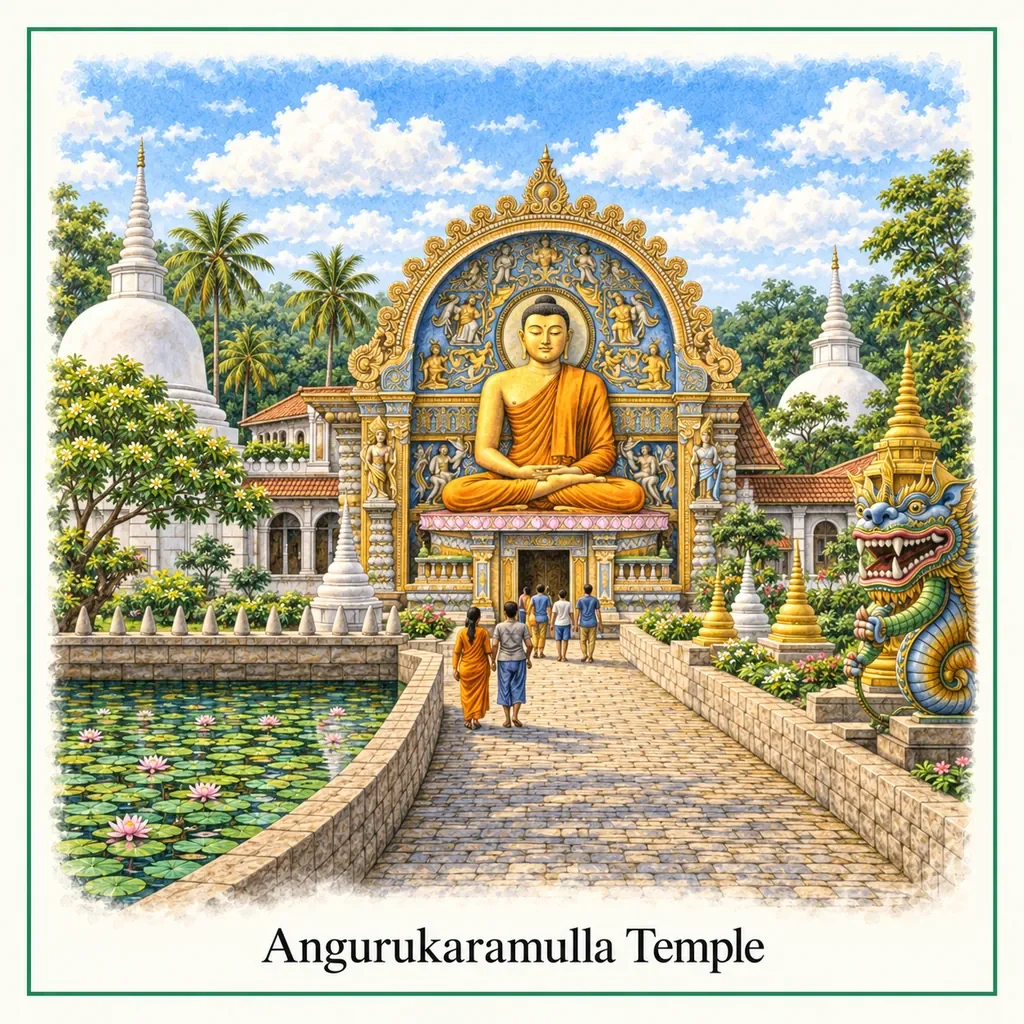
Sri Lanka Negombo Angurukaramulla Temple

Visit the Angurukaramulla Temple — Colorful, spiritual, unexpected

The Angurukaramulla Temple offers a powerful introduction to Buddhism in Negombo and provides a meaningful counterbalance to the town’s strong Catholic and colonial influences. Located just outside the main tourist areas, this temple is a place of everyday worship rather than a curated attraction — deeply rooted in local life.

The first thing you notice is the large seated Buddha statue at the entrance, serene and imposing at the same time. Stepping inside the temple complex reveals richly decorated interiors filled with detailed wall paintings and ceiling murals depicting scenes from the life of the Buddha, moral teachings, and Buddhist cosmology. The artwork is vivid, expressive, and intentionally didactic — designed to teach as much as to inspire.

What makes Angurukaramulla special is its authenticity. Locals come here to pray, light oil lamps, and make offerings, especially in the morning and evening. Visitors are welcome, but expected to move quietly and respectfully. Observing daily rituals provides insight into how Buddhism shapes ordinary routines, not just festivals or ceremonies.

Practical information:

  • Location: ~10 minutes by tuk-tuk from Negombo town center

  • Entrance: Small donation appreciated

  • Dress code: Modest clothing required (covered shoulders and knees)

  • Best time to visit: Morning or late afternoon

  • Tip: Take time to observe the murals — they tell stories best understood slowly

Visiting Angurukaramulla Temple adds cultural depth to your time in Negombo. It reveals a spiritual layer of the town that exists alongside beaches, lagoons, and colonial churches — offering a more complete understanding of Negombo’s diverse identity.

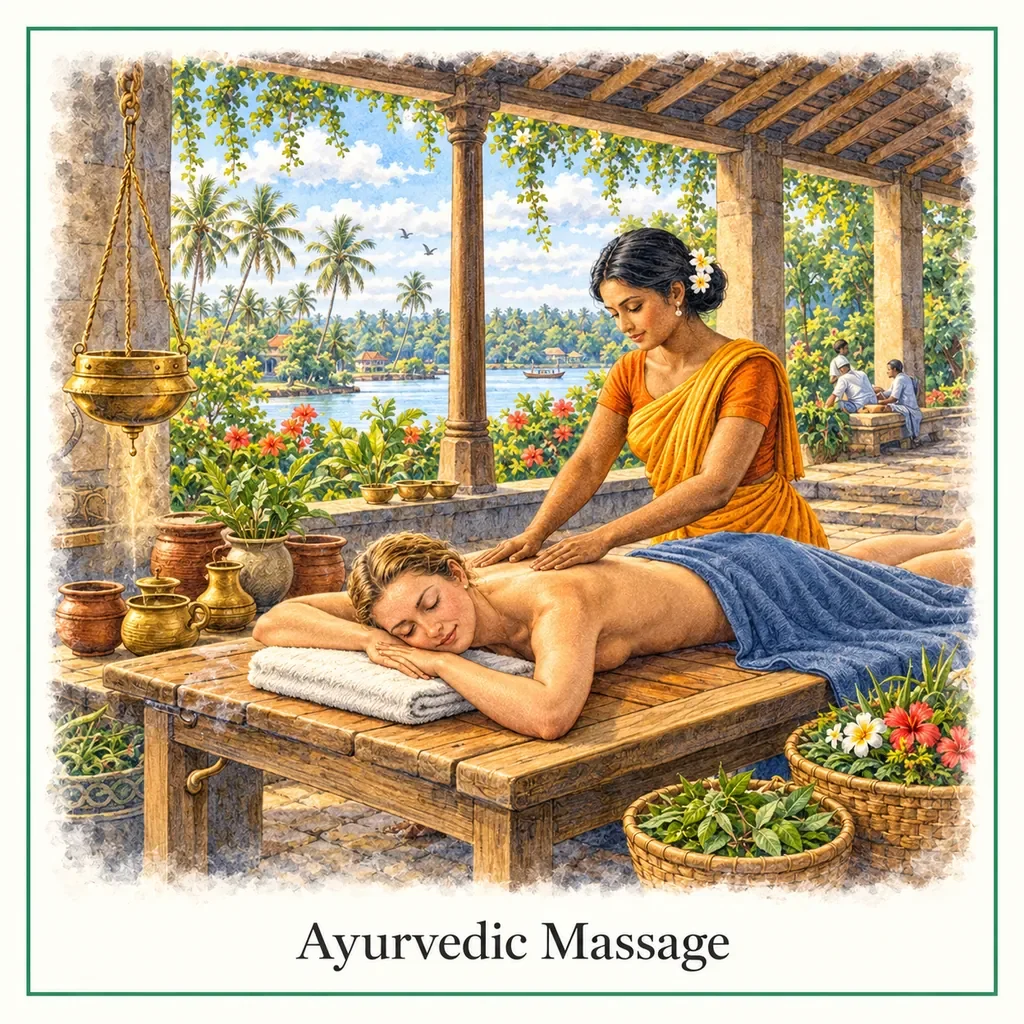
Treat yourself to a spa or Ayurvedic massage

Taking time for an Ayurvedic massage in Negombo is one of the most grounding ways to recover from travel and reconnect with your body. Rooted in Sri Lanka’s ancient healing traditions, Ayurveda focuses on balance — between body and mind, movement and rest. In Negombo, Ayurvedic treatments are widely available and often practiced in calm, modest settings that prioritize wellbeing over luxury.

An Ayurvedic massage here is not about indulgence alone. It is a therapeutic experience designed to release tension, stimulate circulation, and restore energy — especially welcome after long flights, busy travel days, or before continuing deeper into the island.

Ayurvedic massages typically use warm, herbal oils chosen to suit your body type (dosha) and current condition. Treatments are slow, rhythmic, and purposeful, focusing on muscle relaxation, joint mobility, and nervous system calm. Therapists often work methodically from head to toe, allowing the body to fully unwind.

Sessions usually take place in quiet rooms with minimal distraction. Communication is gentle and practical, and the atmosphere encourages letting go rather than conversation.

Common treatments include:

  • Full-body oil massage (Abhyanga)

  • Head, neck, and shoulder massage

  • Foot massage (Padabhyanga)

  • Herbal steam or oil therapies (at specialized centers)

Negombo offers a range of options, from small local Ayurvedic centers to wellness spas attached to hotels. Many practitioners are traditionally trained and focus on therapeutic outcomes rather than spa aesthetics.

When choosing a place, look for cleanliness, calm surroundings, and clear communication about treatments. Local recommendations are often the most reliable.

Practical Information & Tips

  • Duration: Typically 60–90 minutes

  • Best time: Late afternoon or early evening for deeper relaxation

  • Clothing: You may be provided with disposable garments or towels

  • Aftercare: Drink water and avoid strenuous activity afterward

  • Tip: Avoid heavy meals before treatment

If you have injuries, medical conditions, or preferences, mention them beforehand — Ayurvedic treatments are often adapted accordingly.

Ayurvedic massage Negombo Sri Lanka spa wellness traditional treatment relaxation

Essential travel tips for visiting Negombo

Exploring Negombo is about easing into Sri Lanka — gently, slowly, and close to the ocean. Often seen as just an arrival or departure point, Negombo rewards those who take a little time to look closer. These tips will help you experience its everyday charm and coastal rhythm.

Start with sunrise on the beach - Early morning is when Negombo feels most alive. Walk along the beach at sunrise and watch fishermen pull in their nets while the sky turns soft pink and gold. It’s calm, authentic and a beautiful first impression of Sri Lanka.

Visit the fish market early (and briefly) - Negombo’s fish market is intense, raw and unforgettable. Go early in the morning, walk through slowly, and stay respectful. It’s not polished or pretty, but it offers an honest glimpse into local life and the importance of fishing to this town.

Slow down along the lagoon or canals - Negombo’s lagoon and Dutch canals show a quieter side of the city. A short walk or boat ride here feels worlds away from the beach road. Watch birds, fishermen and daily routines unfold at an unhurried pace.

Don’t rush the first day - If Negombo is your first stop in Sri Lanka, resist the urge to do too much. Use this time to adjust to the climate, sounds and pace of the country. A slow first day sets the tone for the journey ahead.

Eat fresh and simple - Negombo is known for its seafood, but there are plenty of simple local restaurants serving fresh, flavourful meals. Choose places filled with locals, keep expectations simple, and enjoy food that’s prepared with care rather than flair.

Take an afternoon break - The coastal heat can be strong. Follow the local rhythm: retreat during the hottest hours, relax indoors or by the beach, and head out again later in the day when the air cools and life returns to the streets.

End the day with sunset - Negombo sunsets are soft and unpretentious. Grab a drink, sit on the sand, and watch the day fade into evening. Locals gather, kids play, and the beach becomes a shared space for winding down.

See negombo for what it is - Negombo isn’t about big sights or perfect beaches. It’s about transition — between land and sea, travel and rest, arrival and departure. Approach it with modest expectations and an open mind.

Final thought - Negombo may not steal the spotlight, but it quietly sets the stage. With its fishing culture, lagoon landscapes and gentle coastal pace, it offers a grounded introduction to Sri Lanka — one that asks you to slow down before moving on.

Best places to stay Negombo

Where to stay in Negombo

Best places to stay in Negombo

Family stays in Negombo

Luxury stays in Negombo

Unique & eco stays in Negombo

Best places to eat in Negombo

Where to eat in Negombo

Negombo is Sri Lanka’s main gateway and one of its most enjoyable coastal food destinations. Famous for its fishing harbor, lagoon and long sandy beach, Negombo offers some of the freshest seafood on the island, combined with lively local eateries and refined beachfront dining. Knowing where to eat in Negombo is essential to start or end your Sri Lanka journey in the best possible way.

Beyond Path Asia carefully selects the best restaurants in Negombo based on quality, atmosphere and their ability to reflect the coastal character of this vibrant town. Below you will find our handpicked recommendations, divided into budget, mid-range and luxury dining, each offering a strong reason to explore Negombo through its cuisine.

Budget restaurants in Negombo – Fresh, local and full of life

Travelers looking for affordable places to eat in Negombo will quickly discover that some of the best food is served in simple local restaurants around the fish market, lagoon and town center.

Bamboo Hut Restaurant is one of the most popular budget seafood restaurants near the lagoon. The menu focuses on fresh fish, prawns, crab and traditional rice and curry. What makes Bamboo Hut special is the freshness of the ingredients and the friendly, informal atmosphere. Guests choose this place because it offers excellent seafood at very reasonable prices in a truly local setting.

Cafe Zen is a small, relaxed café known for its breakfasts, sandwiches and fresh juices. Located close to the beach road, this café is very popular with travelers on their first or last day in Sri Lanka. Guests choose Cafe Zen because it offers good value, reliable quality and a calm place for breakfast or lunch.

Ammehula Restaurant is a simple local eatery famous for its rice and curry buffets and kottu roti. Travelers choose Ammehula because it offers an authentic Sri Lankan dining experience with generous portions and very low prices, perfect for those who want to eat like a local.

Mid-range restaurants in Negombo – beachfront comfort and variety

For those seeking more comfort while still enjoying fresh coastal flavors, Negombo offers an excellent selection of mid-range restaurants, many of them located directly along the beach road.

The Grand Restaurant at Jetwing Beach offers one of the best mid-range dining experiences in Negombo. Set in a stylish beachfront hotel, this restaurant serves well-prepared seafood, Sri Lankan and international dishes. What makes this place special is the combination of food and sea views. Guests choose The Grand because it offers comfort, good service and a perfect setting for sunset dinners.

Serendib Restaurant is a long-established mid-range restaurant known for its seafood platters and mixed grills. Located near the beach, this restaurant attracts both locals and visitors. Travelers choose Serendib because it offers reliable quality, generous portions and a lively atmosphere in the heart of the tourist area.

Lords Restaurant Complex offers a wide menu including seafood, Western and Sri Lankan dishes in a relaxed open-air setting. Guests choose Lords because it offers variety, consistent quality and a social atmosphere, making it ideal for families and groups.

Luxury restaurants in Negombo – refined dining by the lagoon and sea

For travelers seeking an exclusive and refined dining experience, Negombo offers several high-end restaurants located in luxury resorts and boutique hotels.

Jetwing Lagoon Restaurant offers one of the most elegant dining experiences in the region. Set beside a tranquil lagoon, this restaurant serves refined cuisine focused on seafood and modern Sri Lankan flavors. What makes Jetwing Lagoon truly unique is the peaceful setting and impeccable service. Guests choose this restaurant for romantic dinners and special occasions in a serene environment.

Blue Elephant Restaurant at Jetwing Blue offers contemporary fine dining with panoramic ocean views. With creative menus and stylish interiors, this restaurant attracts travelers who seek modern luxury close to the airport. Guests choose Blue Elephant because it combines design, high-end cuisine and one of the best beachfront locations in Negombo.

Private Beach Dining at Luxury Resorts such as Jetwing Beach offers personalized dining experiences on the sand, with candlelit tables and customized menus. Travelers choose these experiences for honeymoons, anniversaries and unforgettable final evenings in Sri Lanka.

Beyond Path Asia Tip

In Negombo, eat with the tide. Seafood is freshest earlier in the day, sunset dinners are best enjoyed slowly, and vegetarian Sri Lankan dishes often reveal the most balanced flavors. Choose simplicity — it’s where Negombo shines.

Travel tips for Negombo

How to get here

Negombo is a lively coastal town just north of Colombo and is often the first or last stop of a journey through Sri Lanka. Thanks to its proximity to the international airport, getting here is quick and straightforward.

By Car or Taxi - Traveling by car or taxi is the easiest and fastest way to reach Negombo. From Bandaranaike International Airport, the drive takes only 15–20 minutes. From Colombo city, it’s approximately 45 minutes to 1 hour, depending on traffic. This option is ideal after a long flight or for a smooth start or end to your trip.

By Train - Negombo is well connected by train via Negombo Railway Station. Trains run regularly along the west coast from Colombo Fort, with a travel time of around 1 hour. The journey offers glimpses of coastal life, lagoons, and fishing villages. From the station, a short tuk-tuk ride will take you to most hotels.

By Bus - Public buses frequently run between Colombo and Negombo, including routes from the airport area. This is the most affordable option and a popular choice for locals. While buses can be busy, they offer an authentic introduction to everyday Sri Lankan life.

With its easy access, seaside atmosphere, and local charm, Negombo is a relaxed gateway to Sri Lanka.

Best time to travel

Negombo has a tropical coastal climate and can be visited year-round, though weather patterns influence the experience.

December to April — Best overall period - This is the driest season on the west coast, with sunny days and calm seas. It’s the ideal time for beach walks, lagoon boat rides, and exploring the town at a relaxed pace.

May to September — Occasional rain, fewer crowds - During these months, Negombo experiences short, often refreshing rain showers. While beach conditions may vary, the town remains pleasant and less busy.

October to November — Wetter period - These months bring heavier rainfall and higher humidity. While outdoor activities may be limited, Negombo’s laid-back atmosphere and indoor cafés still make it a comfortable stop.

Beyond Path Asia Tip

Negombo is best experienced as a transition rather than a destination to rush through. Use it to arrive gently, adjust to the climate, and settle into Sri Lanka’s rhythm before continuing inland — or to reflect quietly before heading home.

Fun facts and hidden gems for Negombo

Fun facts & hidden gems

Negombo may be known as the gateway to Sri Lanka, but beneath its relaxed beaches and coastal charm lies a tapestry of stories, traditions, and unexpected discoveries. From centuries-old fish markets to secret canals and spiritual sanctuaries painted in bright colors, Negombo is full of quiet magic that many travelers miss.

Negombo is one of the oldest fishing communities in Sri Lanka - Negombo’s entire identity was shaped by its ocean and lagoon. For centuries, fishing families have lived near the water, passing down techniques, sailing rituals, and boat-building skills through generations. You’ll see traditional oruwa sailboats with their iconic triangular sails, wooden catamarans carved by hand and intricate nets spread across the shore like woven artwork. Early morning visits to the lagoon reveal a world that has barely changed over time — a rare glimpse into Sri Lanka’s living coastal heritage.

Negombo is known as “Little Rome” - Because of the strong Catholic influence introduced by the Portuguese, Negombo has more churches than any other city in Sri Lanka. Every neighborhood has a church tower rising above the rooftops, and Sunday mornings fill the streets with bells, singing, and families dressed in white. Some of the most stunning examples include St. Mary’s Church — famous for its painted ceilings; St. Sebastian’s Church — modeled after the Reims Cathedral and St. Anne’s Church — beloved for its lively festivals. This blend of South Asian culture with European religious influence gives Negombo a completely unique spiritual atmosphere.

The Dutch Canal is over 100 km long - Built by the Dutch in the 17th century as a transport route for cinnamon and spices, the canal still runs through Negombo like a historical artery. Hidden Gem: Take a slow walk or bicycle ride along the canal during golden hour — the water glows, fishermen cross in tiny boats, and everyday life unfolds on both banks in the gentlest rhythm. If you listen closely, you can hear cicadas, distant church bells, and the soft paddling of oars.

The Lellama Fish Market is the largest and most atmospheric on the island - One of Sri Lanka’s biggest fish markets, Lellama, is energetic, raw, and incredibly authentic. Fun Fact: Fishing families often auction the catch themselves, and the bids happen so fast most foreigners can barely follow the rhythm. Hidden Gem: visit just after sunrise, when the boats return, the sky turns coral pink, the sand fills with fish laid out in shimmering rows and cats weave between baskets hoping for scraps. It’s chaotic, colorful, and absolutely unforgettable.

The best sunsets are not always on the beach - While Negombo Beach offers postcard-worthy sunsets, some of the most magical views happen along the lagoon, where water and sky mirror each other. Hidden Gem: Stand on the small footbridge near the Hamilton Canal. At dusk, the world glows gold and pink, the reflections shimmer, and the moment feels suspended.

The fishermen’s catamarans are built without nails - Traditional wooden catamarans in Negombo are often held together with wooden joints and strong coir rope — no nails required. This technique has been preserved for generations and is considered both art and craft.

FAQ – Discover Negombo, Sri Lanka with Beyond Path Asia

1. Why is Negombo worth visiting? Negombo is often your first or last stop in Sri Lanka — but it’s more than just a place to land or leave. With its coastal setting, fishing heritage, and relaxed atmosphere, it’s the perfect place to ease into your journey or unwind at the end of it.

2. What are the must-do experiences in Negombo? Visit the local fish market early in the morning to see daily life in action, take a boat trip through the Negombo Lagoon, and walk along the beach at sunset. The town also has a strong colonial influence, visible in its churches and architecture.

3. Is Negombo worth staying in, or just a stopover? It works well as both. Even one night in Negombo can help you recover from a long flight or adjust before your trip begins. If you have more time, it’s worth exploring a bit deeper.

4. How long should I stay in Negombo? We recommend staying 1 to 2 nights. It’s enough time to relax, explore the lagoon, and enjoy the coastal atmosphere without overplanning.

5. When is the best time to visit Negombo? Negombo can be visited year-round, but the driest months are from December to April. As it’s close to Colombo and the airport, it’s a convenient destination regardless of the season.

6. Is Negombo suitable for families? Yes, especially as a gentle start or end to a trip. The beach, boat trips, and relaxed pace make it easy for families to settle in.

7. What’s the best way to get to Negombo? Negombo is located just 15–20 minutes from Bandaranaike International Airport, making it one of the most accessible places in Sri Lanka. A short taxi or private transfer is all you need.

8. Are there good vegetarian food options in Negombo? Definitely. Negombo has a wide range of restaurants offering vegetarian-friendly dishes, from local Sri Lankan curries to international cuisine.

9. Where should I stay in Negombo? We recommend staying in a beachfront hotel or a small boutique guesthouse near the coast. It gives you easy access to restaurants, the beach, and a relaxed atmosphere.

10. Is Negombo safe to visit? Yes, Negombo is generally safe and welcoming. It’s a well-known stop for travelers, with good facilities and a friendly local community.

11. What makes Negombo unique? Negombo stands out for its mix of coastal life and local culture. It’s not about major attractions — it’s about small moments: fishermen bringing in their catch, boats moving through the lagoon, and the feeling of arriving in Sri Lanka.

12. How can Beyond Path Asia help plan my stay in Negombo? We help you make the most of your time here — whether it’s choosing the right place to stay after a long flight or adding a simple but meaningful local experience before your journey continues.

13. What destinations pair well with Negombo? Negombo is the perfect starting point for any Sri Lanka itinerary. From here, you can head to the Cultural Triangle, Kandy and the hill country, or continue to the south coast.