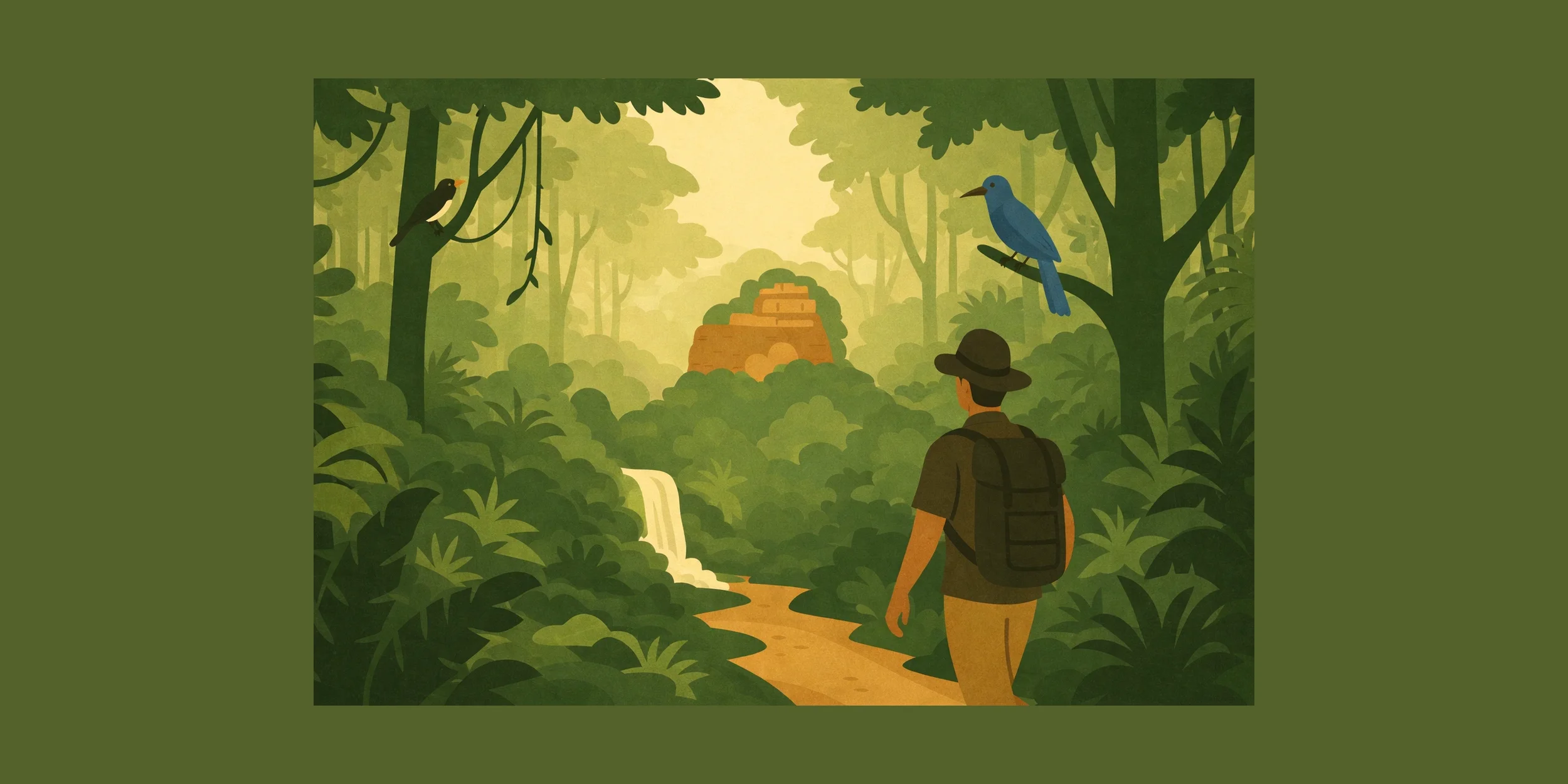
Sinharaja Forest Reserve
Ancient rainforest & living biodiversity
Why visit Sinharaja Forest Reserve?
Sinharaja is a UNESCO-listed tropical rainforest in southwest Sri Lanka, valued for its remarkable endemic plants and wildlife. The main visitor experience is a guided walk, with time to notice birds, insects, reptiles and the forest itself.
Stay one or two nights near your chosen access point for an early start. Confirm the entrance with your accommodation before booking transport: different sides of the reserve involve different approach roads. This guide covers walks, practical planning, stays and responsible rainforest travel.
Best things to do in Sinharaja Forest Reserve
Choose a guided forest walk suited to your fitness and interests. Birdwatchers may prefer a slower specialist outing, while a general nature walk focuses on the forest’s smaller details.
A simple overnight plan
Arrival day: Reach your lodge in daylight, confirm the next morning’s entrance, guide, tickets and meal arrangements, then rest.
Walking day: Start early on an agreed route, take regular pauses and return with time for lunch and the onward drive. Add a second night for a less rushed pace or another morning walk.

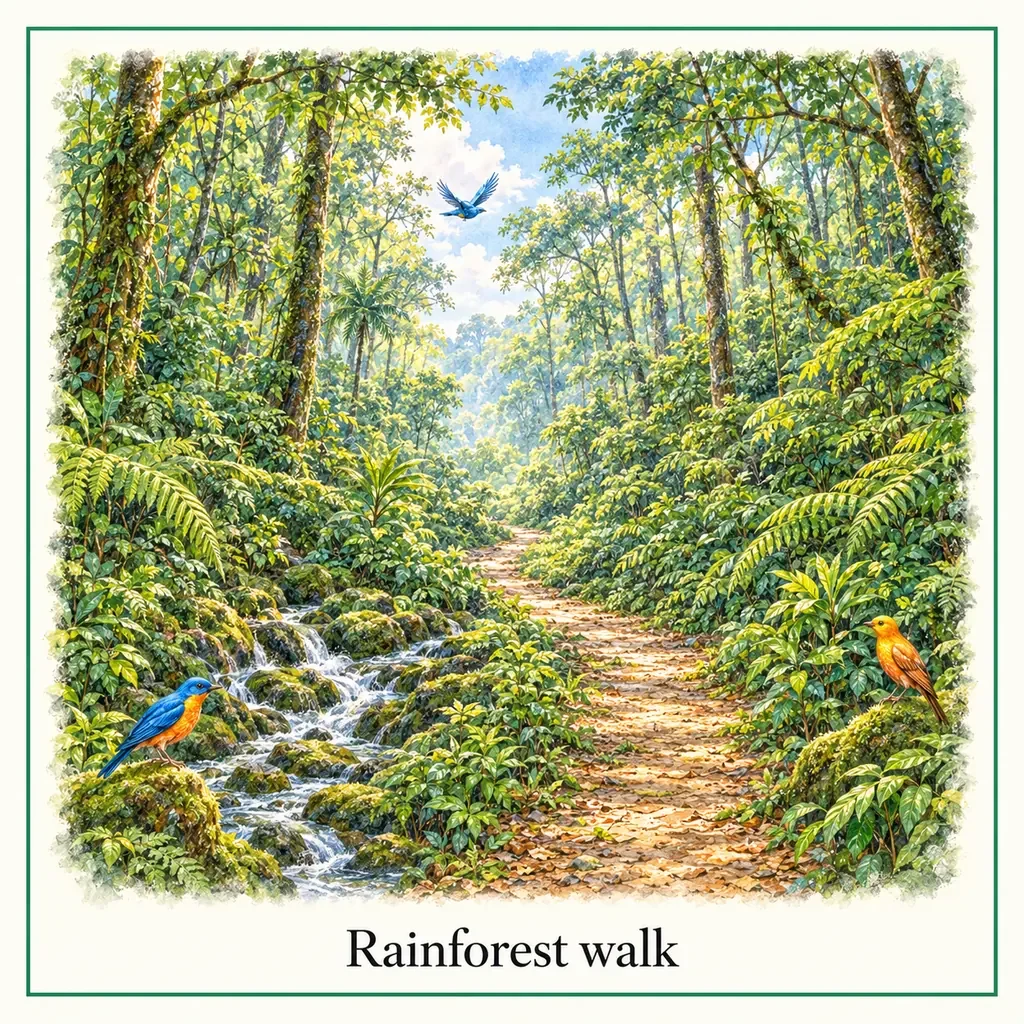
1. Take a guided rainforest walk
Agree on the route, pace, expected duration and current access arrangements before setting out. A knowledgeable guide helps reveal details that are easy to miss in dense vegetation. Tell them whether your priority is birds, plants, photography or a general forest introduction.
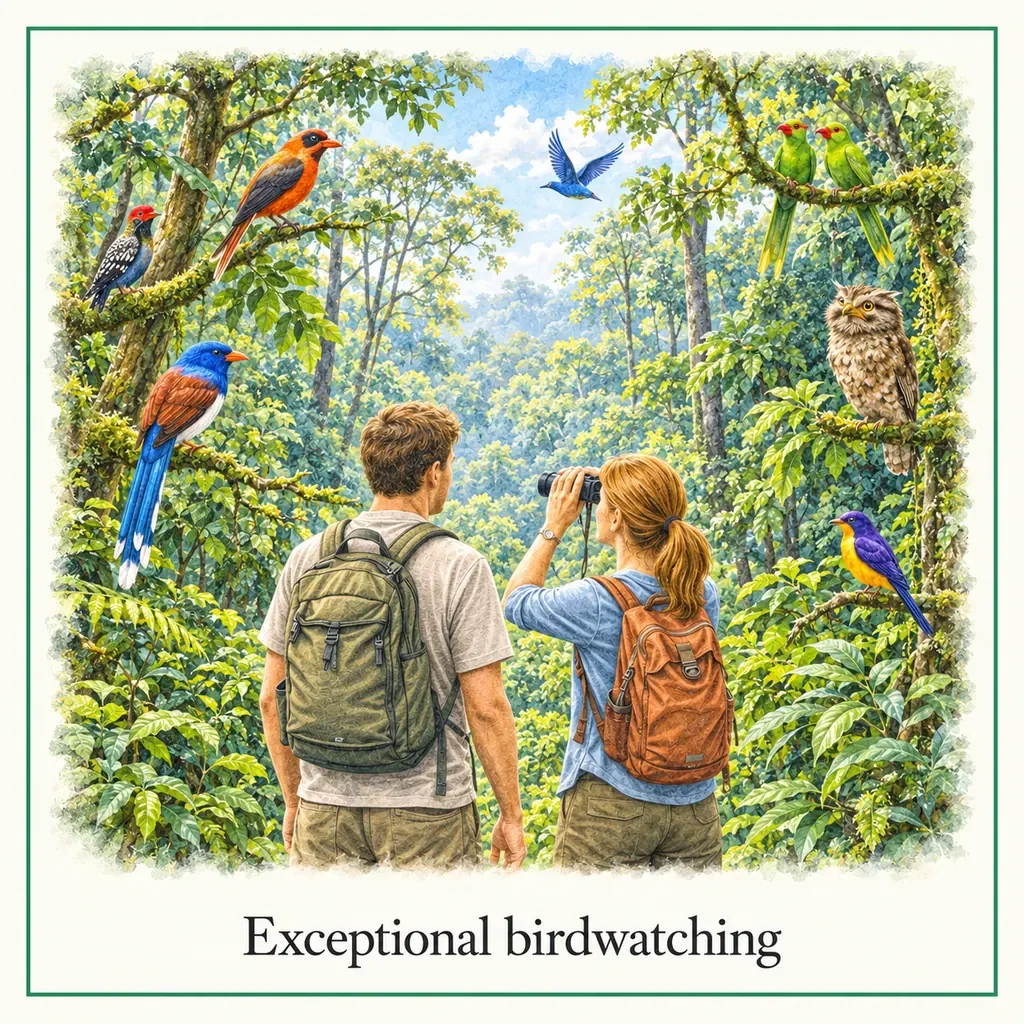
2. Look for endemic birds and smaller wildlife
Walk quietly, bring binoculars if you have them and allow time to listen. Forest sightings often involve patience and small details rather than large mammals. Never touch, handle or bait wildlife for a photograph.
3. Notice the forest’s layers
Look from the leaf litter to vines, trunks and the canopy. Ask your guide how plants, rainfall and decomposition connect the forest ecosystem. Stay on permitted paths and leave everything where you find it.
4. Learn about rainforest conservation
Sinharaja protects an important remnant of Sri Lanka’s tropical lowland rainforest. Ask your guide about local conservation work and how nearby communities relate to the forest. Choosing local guiding and small stays can add context to the visit.
5. Enjoy streams and forest sounds
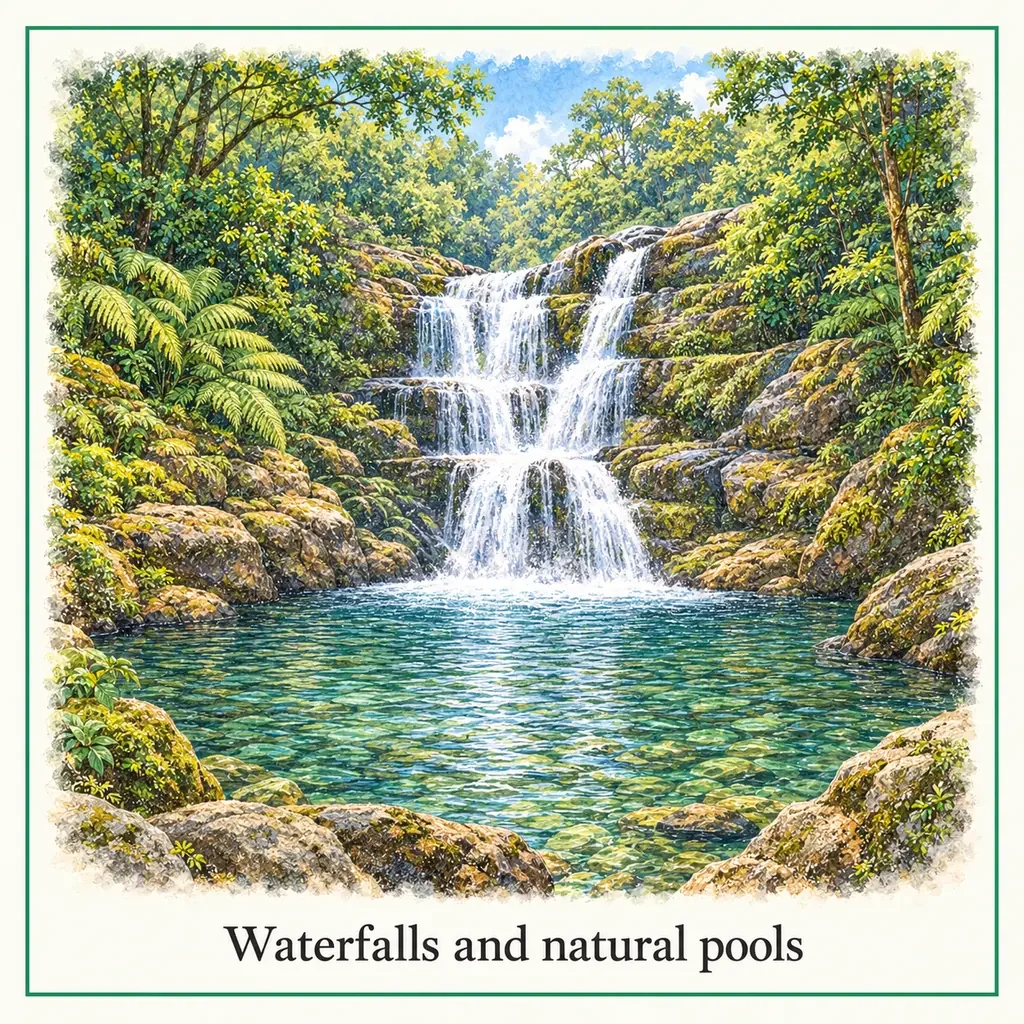
Some routes pass streams or waterfalls, depending on the entrance and agreed walk. Treat these as observation stops unless your guide confirms safe, permitted access. Rain can change water levels and make rocks slippery.

Essential Sinharaja travel tips
Confirm your entrance: match the lodge, guide and transfer to the same access area.
Arrange guiding and tickets: check current requirements and the full price before departure.
Expect rain: bring a light waterproof layer and protection for cameras or phones.
Dress for wet trails: use grippy closed shoes and ask about leech precautions.
Walk at an observation pace: leave time for birds, plants and smaller wildlife.
Carry water and snacks: take rubbish back out and avoid feeding animals.
Stay flexible: shorten or postpone a walk when conditions are unsuitable.
Where to stay near Sinharaja Forest Reserve
Sinharaja Forest Reserve is Sri Lanka’s last remaining primary rainforest and a UNESCO World Heritage Site, famous for its incredible biodiversity, endemic wildlife, and lush green landscapes. Located in the southwest of the island, this untouched jungle is a paradise for nature lovers, birdwatchers, and hikers looking for an authentic off-the-beaten-path experience.
Staying near Sinharaja Forest Reserve is all about immersion in nature, simplicity, and eco-conscious travel. Most accommodations are small-scale lodges or eco-retreats located on the edge of the forest, offering guided rainforest experiences and a peaceful atmosphere. Below, you’ll find the best places to stay near Sinharaja Forest Reserve, carefully selected for their location, sustainability, and overall experience.
Best places to stay near Sinharaja Forest Reserve
Rainforest Eco Lodge
Rainforest Eco Lodge is one of the most unique and eco-friendly stays near Sinharaja Forest Reserve. Built using recycled materials, the lodge blends seamlessly into the surrounding jungle while offering comfortable accommodation. The chalets provide stunning views over the rainforest canopy, creating a truly immersive experience. Guests can enjoy guided rainforest hikes, birdwatching, and educational experiences about conservation. The peaceful setting and strong sustainability focus make it an excellent choice for travelers looking to connect with nature while minimizing their environmental impact.
Blue Magpie Lodge
Blue Magpie Lodge offers a cozy and authentic stay just steps away from the Sinharaja rainforest entrance. The rooms are simple but comfortable, designed to blend into the natural surroundings. Guests can enjoy home-cooked Sri Lankan meals and personalized service from the friendly hosts. The lodge specializes in guided nature walks and birdwatching tours, making it ideal for wildlife enthusiasts. Its location and intimate atmosphere create a perfect base for exploring Sinharaja Forest Reserve.
Sinharaja Forest Edge
Sinharaja Forest Edge is a modern eco-lodge located close to the Deniyaya entrance of the rainforest. The property offers spacious rooms with balconies overlooking lush greenery and misty hills. Guests can relax in a peaceful setting while enjoying easy access to guided rainforest excursions. The lodge also features a small pool and restaurant serving local cuisine. Its balance of comfort and nature makes it a popular choice for travelers visiting Sinharaja.
Family stays near Sinharaja Forest Reserve
Blue Magpie Lodge
Blue Magpie Lodge is a welcoming option for families looking for a simple and authentic experience. The friendly hosts and relaxed atmosphere make it easy for families to feel at home. Children can enjoy exploring the surroundings, while parents appreciate the спокой environment. It’s a great budget-friendly choice.
Birds Paradise Hotel
Birds Paradise Hotel is suitable for families who enjoy wildlife and спокой surroundings. The lodge offers a relaxed environment where children can learn about nature and biodiversity. The simple accommodation and friendly service make it a comfortable base. It’s a good option for families seeking an authentic rainforest experience.
Luxury stays near Sinharaja Forest Reserve
Rainforest Eco Lodge
Rainforest Eco Lodge is the closest option to luxury in Sinharaja, offering a unique blend of comfort and sustainability. The chalets are well-designed and provide stunning views over the forest. Guests can enjoy personalized service, guided tours, and a शांत environment. It’s perfect for travelers seeking a high-end eco experience.
360 Rainforest
360 Rainforest offers a stylish and modern eco-stay with panoramic views of the surrounding jungle. The rooms are designed to maximize comfort and scenery, creating a unique experience. Guests can enjoy guided hikes, nature activities, and a tranquil atmosphere. It’s a great choice for those seeking contemporary comfort in a природная setting.
Unique & eco stays near Sinharaja Forest Reserve
Blue Magpie Lodge
Blue Magpie Lodge stands out for its authentic and low-impact approach. The lodge focuses on local hospitality and connection to nature. Guests can enjoy a simple but meaningful stay while exploring the rainforest. It’s ideal for travelers seeking authenticity and sustainability.
360 Rainforest
360 Rainforest combines modern design with eco-friendly principles, creating a distinctive stay in the jungle. The panoramic views and thoughtful design make it a memorable experience. Guests can enjoy nature while staying in comfort.

Where to eat near Sinharaja
Arrange meals through your lodge or guesthouse. Dining options near forest entrances are limited, and a remote location may make an evening restaurant search impractical.
Before the walk
Order breakfast or a packed meal the previous day. Confirm what your walking package includes and carry enough drinking water for the agreed route.
At your accommodation
Home-cooked rice and curry is a common option. Explain vegetarian preferences, allergies and other dietary needs before arrival, including whether fish stock or dried fish should be avoided.
For an onward transfer, arrange lunch before leaving or ask your driver about a suitable stop outside the reserve area.

How to get to Sinharaja Forest Reserve
Choose the exact entrance and accommodation before booking a transfer. Sinharaja is a large forest area, and travelling between different access roads can take much longer than a map suggests.
By car or arranged transfer
Ask your lodge for the precise arrival point, current road condition and any final local transfer requirement. Arrive in daylight where possible, especially if the last stretch is unfamiliar or narrow.
By public transport
Public buses can cover part of the journey to nearby towns, but the final connection usually needs local planning. Confirm the route with your host and arrange pickup before setting off.
Leaving after a walk
Allow time to return, change and eat before a long drive. Avoid scheduling a tight flight or train connection after a forest outing.
Best time to visit Sinharaja
Sinharaja is rainforest: rain and humidity are part of the experience throughout the year. Conditions vary across the reserve, so ask your guide about the most suitable period for your chosen entrance and interests.
Plan an early walk
A morning start leaves more time for a slow observation pace and a flexible return. Birdwatching priorities may require a different route or schedule from a general forest walk.
Keep a weather buffer
Check recent rainfall, trail conditions and the local forecast. Pack for wet weather and accept changes when streams, paths or access roads are unsuitable.

Local perspective: protect the rainforest
Sinharaja’s importance lies in its forest habitats and high level of endemism. Much of its interest is easy to miss if you rush: a bird call, leaf pattern, insect or change in the canopy can become the highlight.
Use permitted paths, take rubbish out and avoid collecting plants or handling animals. Choose guides who observe wildlife without baiting or disturbing it, and respect the reserve’s access rules.
Support local hosts and guides, ask before photographing people and keep your visit focused on learning as well as sightseeing.
FAQ – Discover Sinharaja Forest Reserve, Sri Lanka
-
Sinharaja Forest Reserve is one of the last untouched rainforests in Sri Lanka — and it truly feels like stepping into another world. This UNESCO World Heritage Site is rich in biodiversity, dense greenery, and the sounds of nature. It’s a destination for travelers who want to experience Sri Lanka in its most raw and natural form.
-
Exploring the rainforest with a local guide is the highlight. Walk through dense jungle trails, cross small streams, and spot rare birds, butterflies, and maybe even monkeys along the way. It’s less about ticking off sights and more about immersing yourself in the environment.
-
Yes, and we highly recommend it. The forest is dense and complex, and a knowledgeable local guide not only ensures your safety but also helps you discover wildlife and hidden details you would otherwise miss.
-
We recommend staying 1 to 2 nights. This gives you time for at least one guided trek and the chance to fully experience the atmosphere of the rainforest.
Not sure how to fit Sinharaja Forest Reserve into your trip? Compare our 7 Day, 2 Week and 3 Week Sri Lanka Itineraries to see how it can work within a complete route.
-
Sinharaja can be visited year-round, but it’s a rainforest — so expect humidity and occasional rain at any time. Early mornings are the best time to explore, when wildlife is most active.
-
Yes, for families who enjoy nature and light adventure. Some trails can be challenging or muddy, so it’s best suited for families with slightly older children.
For more practical advice, read our Sri Lanka with Kids Guide, or follow our complete 2 Week Sri Lanka Family Itinerary.
-
Sinharaja is usually reached by private driver, often as part of a route between the hill country and the south coast. The final stretch can be more remote, adding to the sense of adventure.
-
Yes, though options are simple and mostly provided by guesthouses. Expect fresh, home-cooked Sri Lankan meals with plenty of vegetarian dishes.
Read our Vegetarian Food in Sri Lanka Guide for dishes to try, ordering tips and advice for vegetarian travellers.
-
We recommend staying in an eco-lodge or small guesthouse close to one of the forest entrances. These accommodations are often simple but offer a deep connection to nature.
Looking for somewhere memorable? Our Extraordinary Places to Stay in Sri Lanka features some of the most unique accommodation experiences around the island.
-
Yes, especially when visiting with a guide. The terrain can be slippery and the forest dense, so proper footwear and preparation are important.
-
Sinharaja stands out for its biodiversity. It’s one of the most important ecosystems in Sri Lanka, home to many endemic species found nowhere else in the world. It’s a place where nature takes the lead.
-
Sinharaja pairs beautifully with the south coast, including Galle, Mirissa, and Tangalle. It’s also a great addition between the hill country and the coast, adding a deeper nature experience to your journey.
Continue exploring Sri Lanka's wild side
Sinharaja reveals a completely different side of Sri Lanka's wildlife. Continue exploring with these guides:
Sri Lanka Safari Guide — Compare rainforest experiences with Sri Lanka's classic jeep safaris.
Galle Travel Guide — Continue towards the historic south coast.
Sri Lanka South Coast Guide — Discover beaches, coastal towns and places to visit nearby.
More Sri Lanka inspiration