Jaffna
Tamil culture, temples and island journeys in Sri Lanka’s north
Why visit Jaffna?
Jaffna offers a distinct northern perspective on Sri Lanka, shaped by Tamil language, Hindu traditions, palmyrah landscapes and a complex recent history. The city rewards travellers who slow down, observe local customs and approach sacred places with respect.
Allow at least two full days for Nallur Kandaswamy Kovil, Jaffna Fort, the market and local food. Add a third day if you want to visit Delft or another island, because ferry schedules and weather can affect the plan.
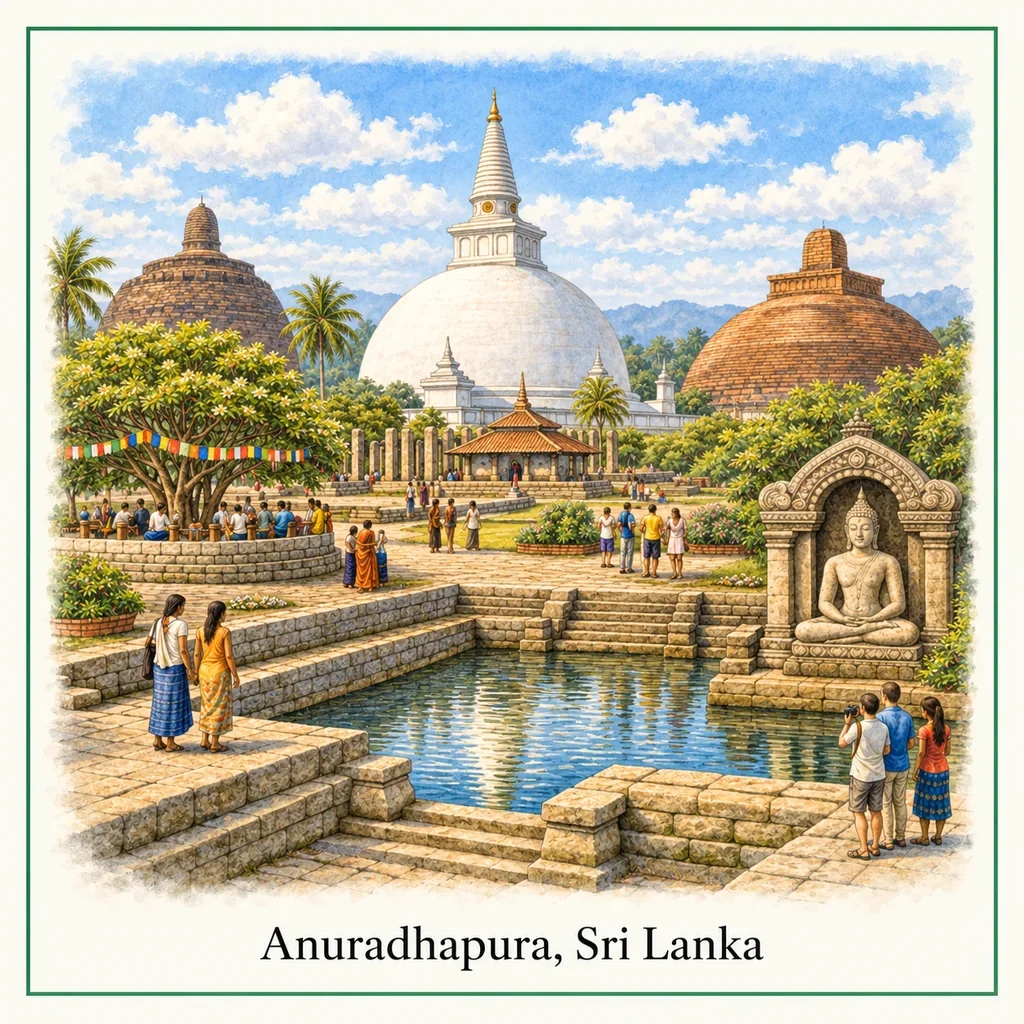
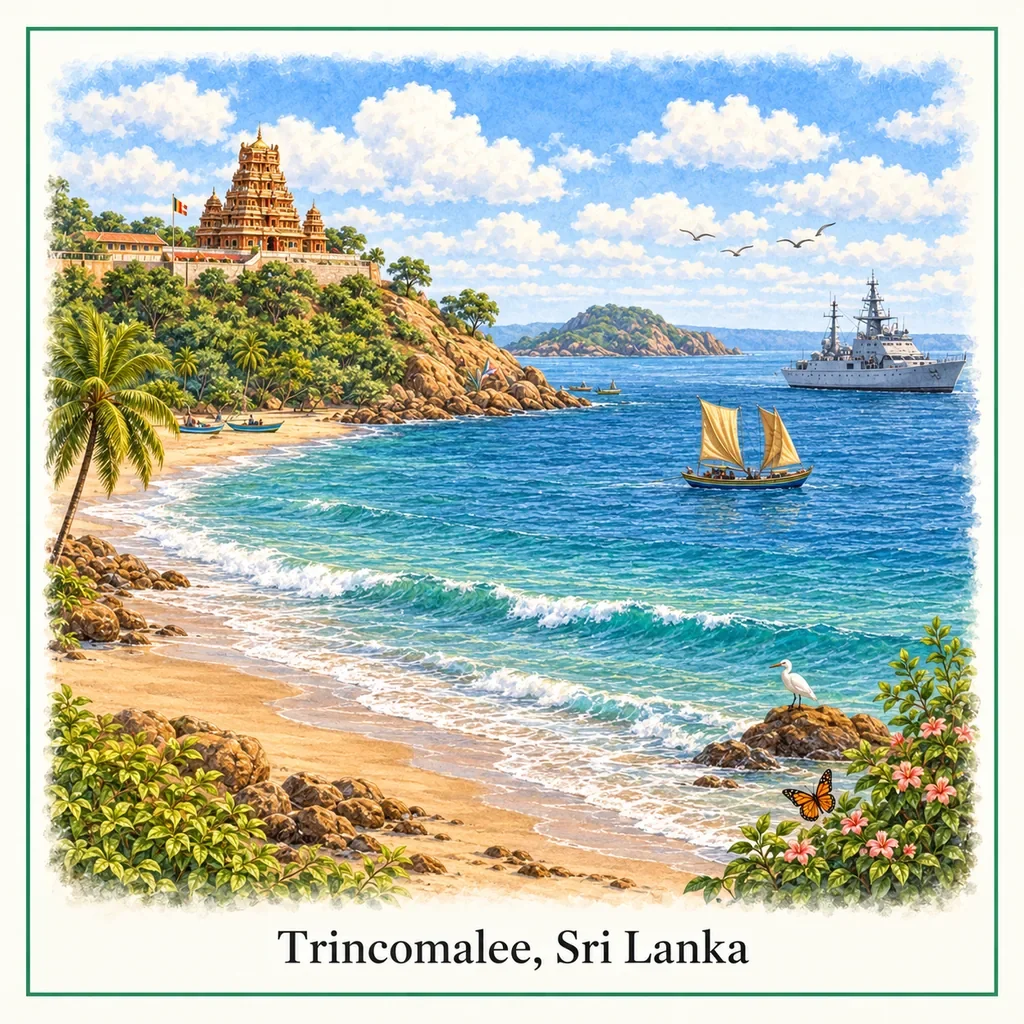
Jaffna combines naturally with Anuradhapura or the east coast. This guide covers the best things to do, a realistic itinerary, accommodation, food, transport and practical cultural advice.
Best things to do in Jaffna
Jaffna is not a checklist destination. Its strongest experiences come from combining living religious sites, colonial history, everyday street life and northern Tamil cuisine.
Start with the city’s main cultural landmarks, then leave space for conversation, a long lunch and changing transport conditions. Island trips deserve a separate day rather than being squeezed into a city itinerary.

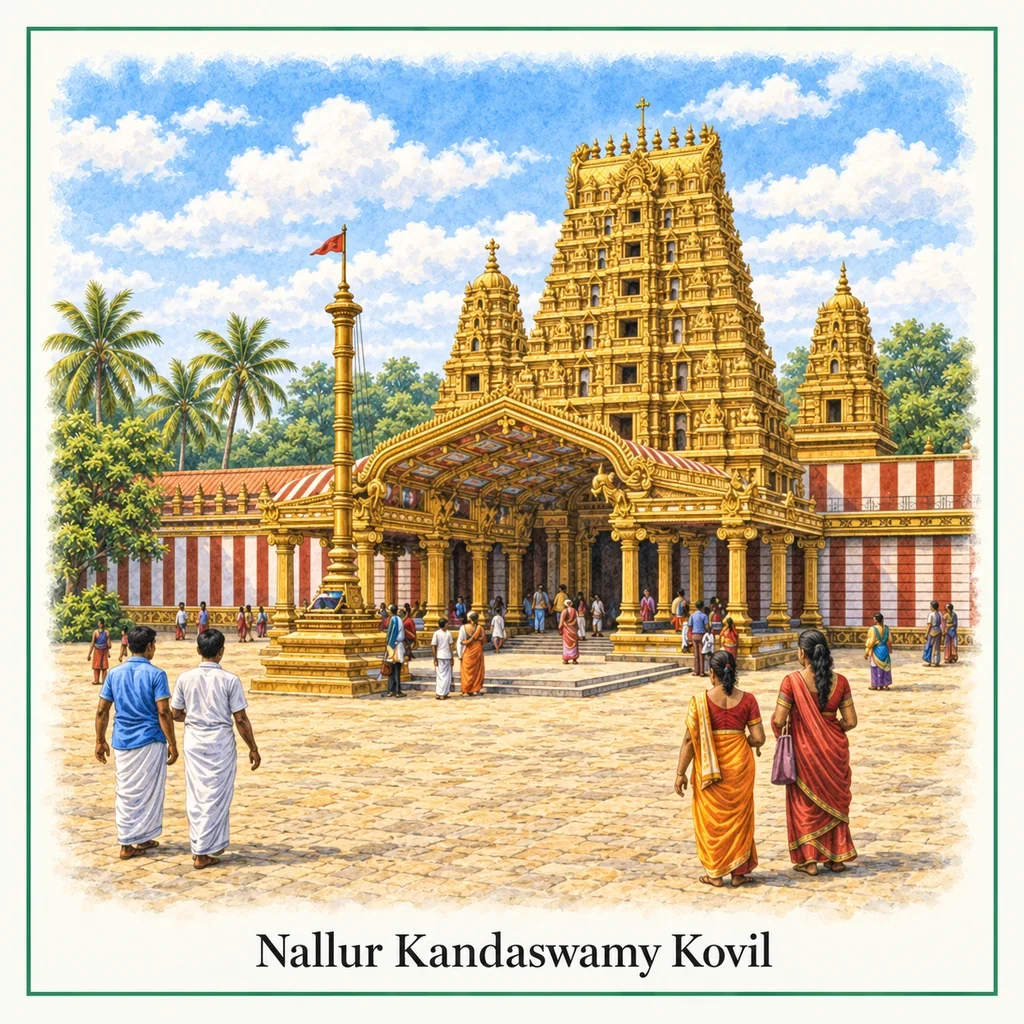
1. Visit Nallur Kandaswamy Kovil
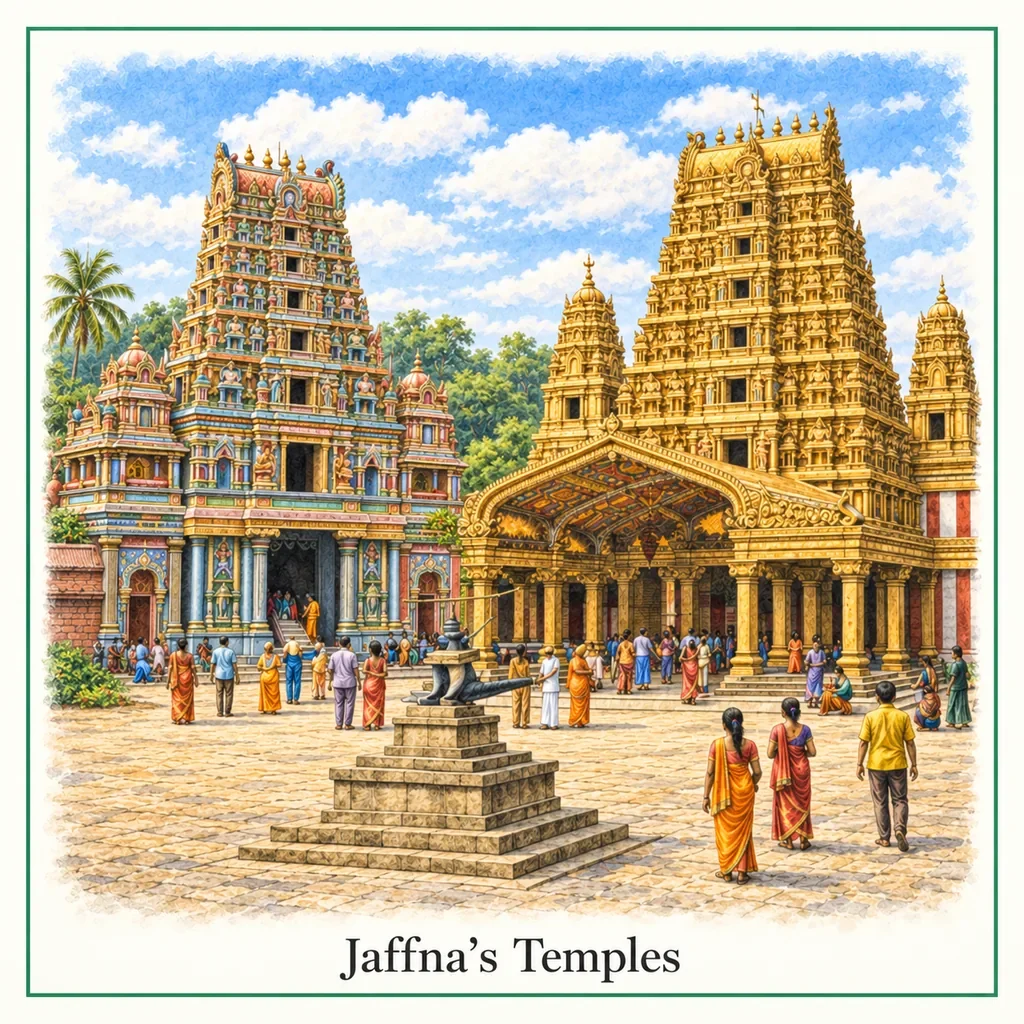
Nallur is one of the most important Hindu temple complexes in Sri Lanka and an active place of worship dedicated to Murugan. Visit quietly, observe before taking part and allow worshippers space during rituals.
Good to know: Cover shoulders and knees, remove shoes before entering and follow the temple’s current rules on photography. Men may be asked to remove shirts in inner areas. Festival periods are exceptionally busy.
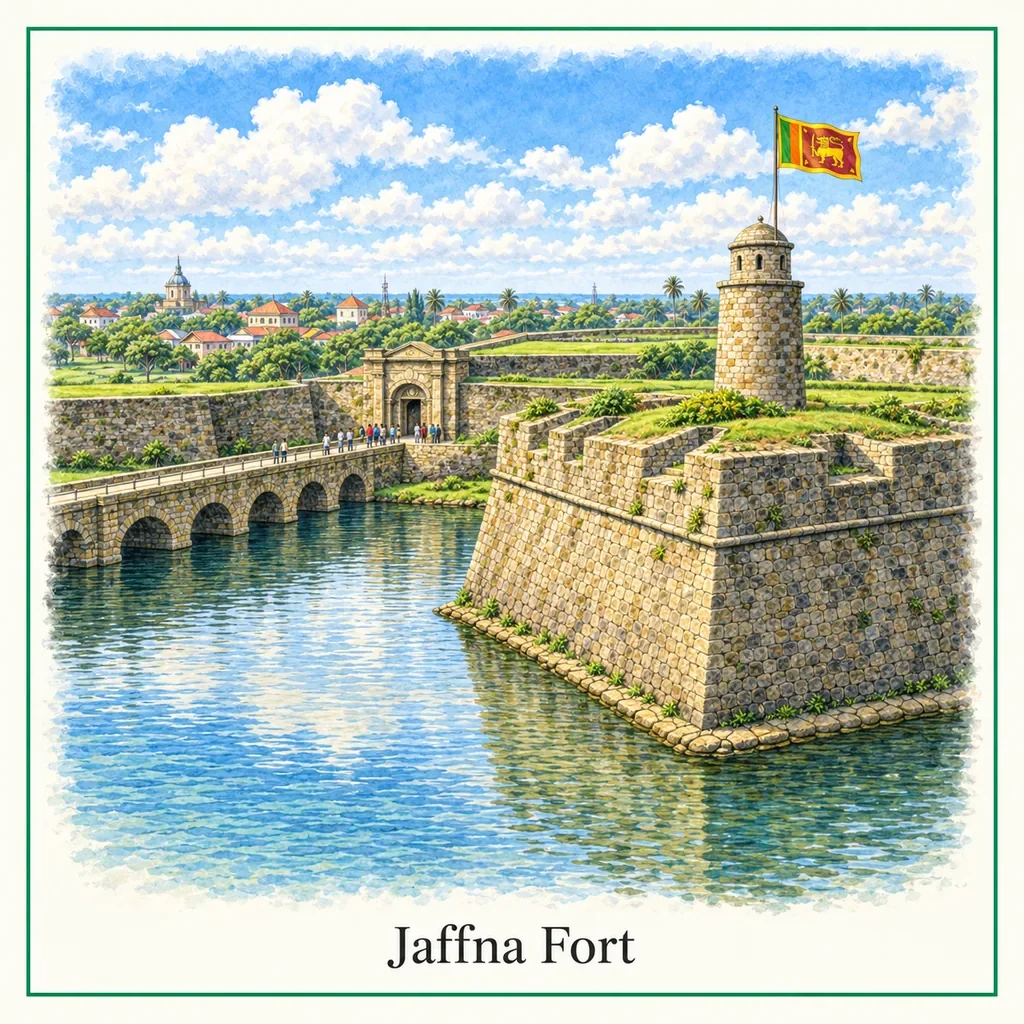
2. Explore Jaffna Fort
The waterfront fort reflects Portuguese and Dutch colonial periods as well as the region’s later history. Walk the ramparts slowly and use the setting to understand Jaffna’s strategic position rather than treating it as a photo stop.
Good to know: Shade is limited. Visit early or late, carry water and check current access or conservation restrictions locally.
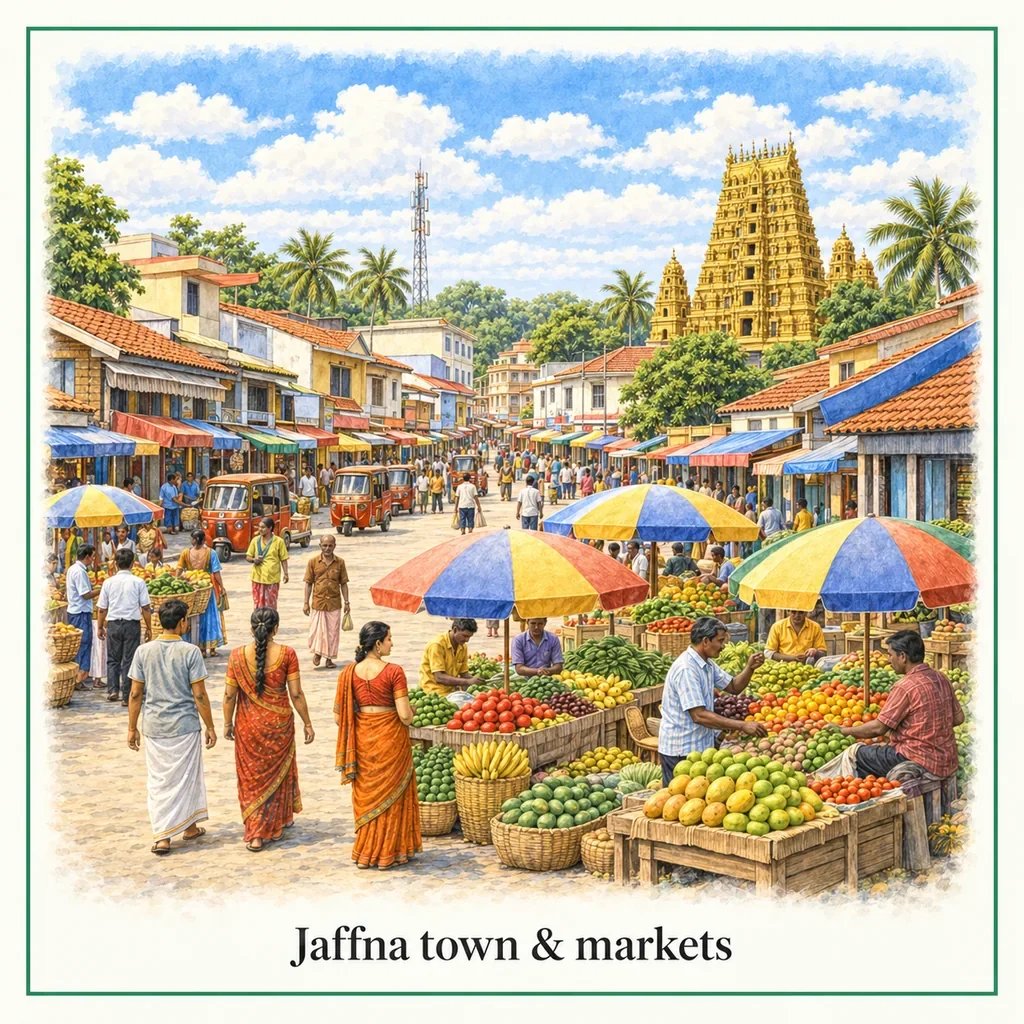
3. Walk through Jaffna town and market
The market area is a good place to see everyday northern produce, spices and palmyrah products. Go in the morning, keep pathways clear and ask before photographing people or stalls.
Combine the market with the public library and a slow walk through the centre rather than rushing between isolated sights.
4. Visit Jaffna’s sacred sites respectfully
Beyond Nallur, the peninsula contains Hindu kovils, churches and Buddhist sites that remain active places of devotion. Choose one or two rather than trying to visit everything.
Dress modestly, remove shoes where required and follow signs or local instructions. Avoid presenting complex religious history as a simple sightseeing story; these places matter deeply to local communities.
5. Taste northern Tamil cuisine
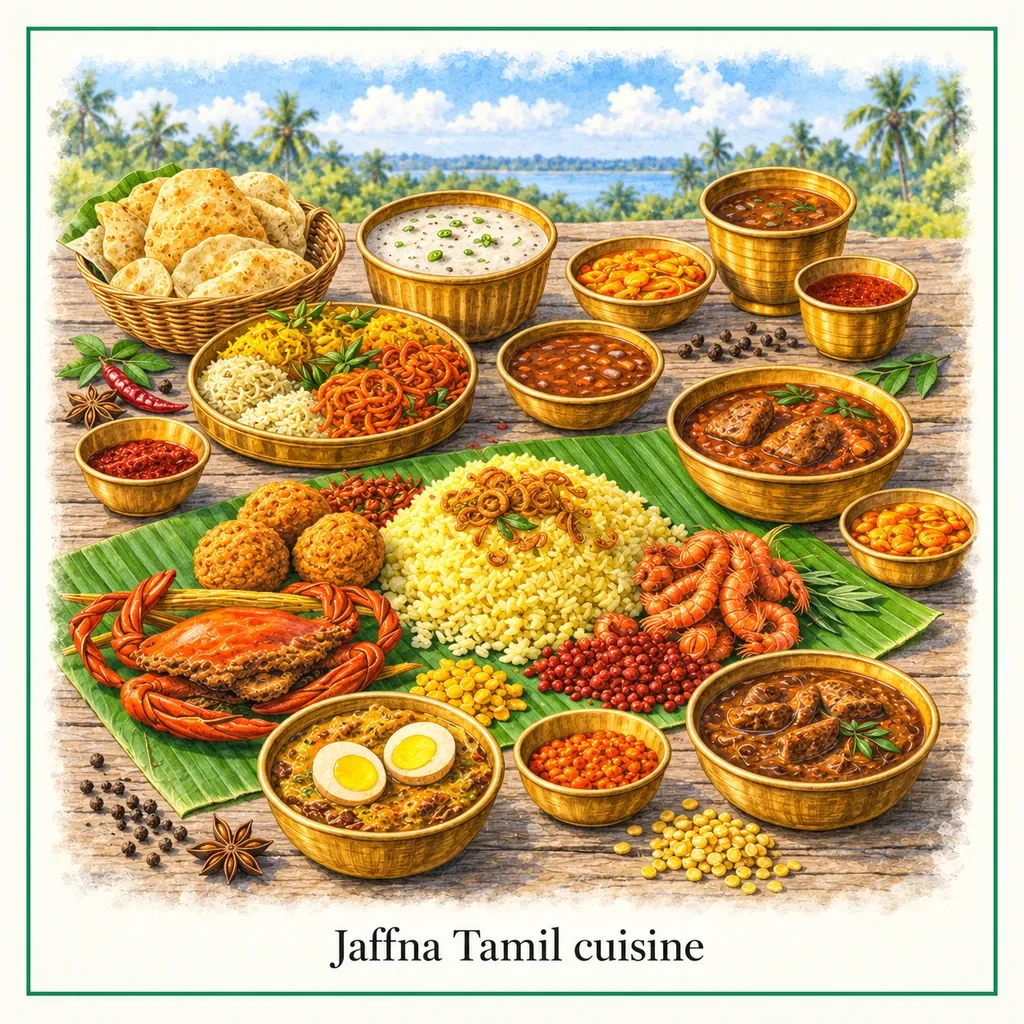
Jaffna’s food is one of the strongest reasons to visit. Look for dosai, idli, string hoppers, rice and curry, seafood dishes and preparations using palmyrah products. Vegetarian meals are widely available, but ask about ghee, egg or fish stock if needed.
Lunch is often the easiest time to find a full local meal. Tell staff clearly how much chilli you are comfortable with.
6. Plan a full day for Delft Island
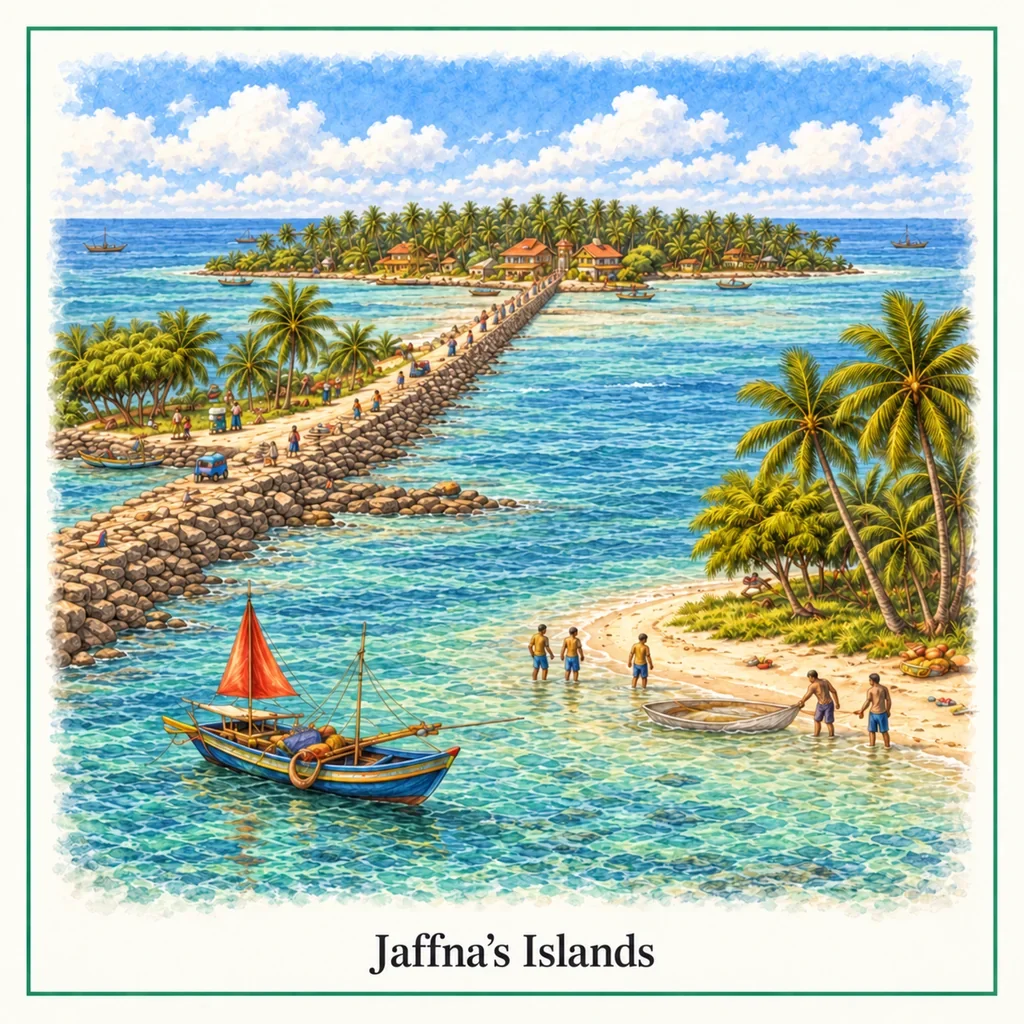
Delft is a remote island of coral-stone walls, dry landscapes and small settlements. Reaching it involves road travel and a public ferry, so it should be treated as a flexible full-day excursion.
Good to know: Ferry capacity, departure times and sea conditions can change. Confirm locally the day before, start early and carry water, sun protection, cash and snacks. Do not approach or feed free-roaming animals.
7. Choose a shorter island or peninsula trip
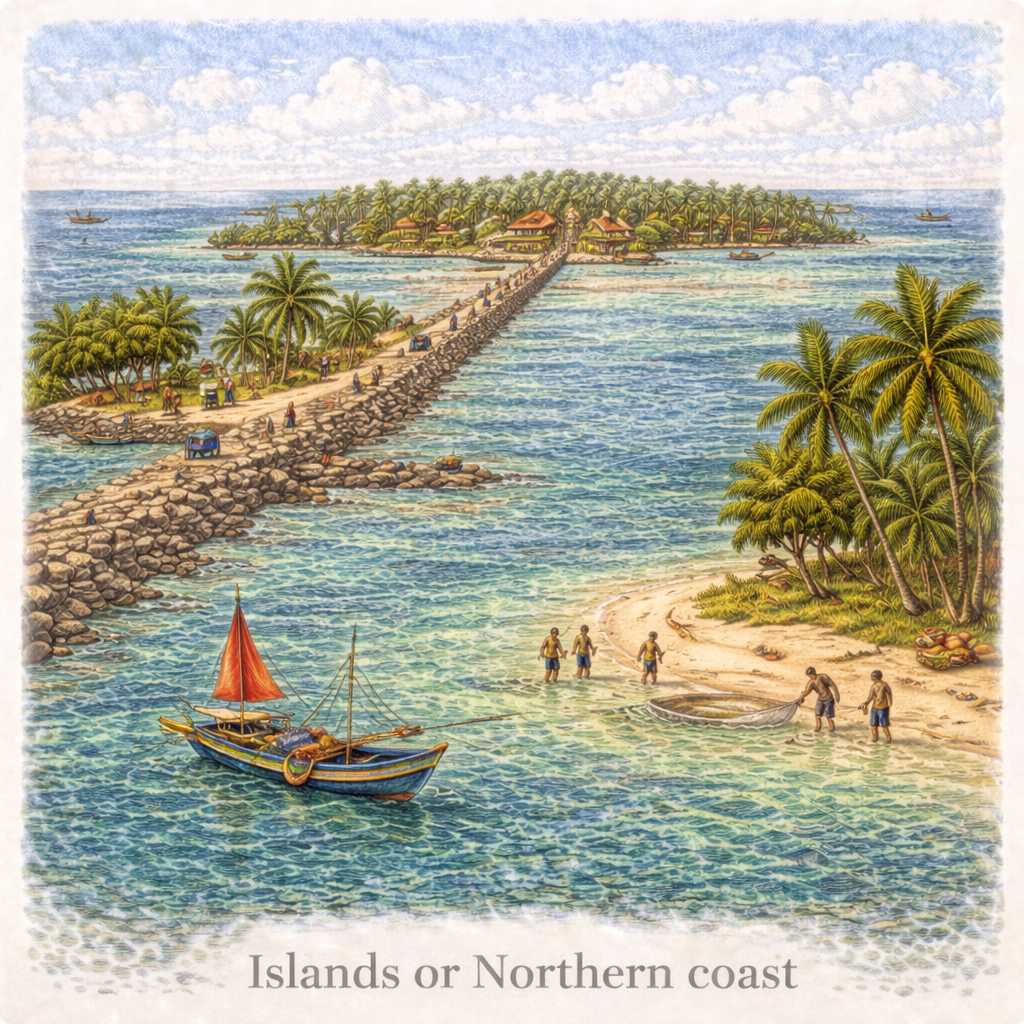
If Delft is too ambitious, consider a closer excursion towards the causeway islands or northern coast. Options depend on current transport and local access, so ask your accommodation for the most practical route that day.
Use a tuk-tuk or driver, agree on the itinerary and price in advance, and avoid entering private land or photographing military areas.
A realistic two-day Jaffna itinerary
Day 1 — city and culture: Visit Nallur early, continue to the market and library, have a northern Tamil lunch and explore Jaffna Fort in the cooler late afternoon.
Day 2 — peninsula or islands: Choose Delft only if the ferry plan is confirmed. Otherwise explore a closer island, coastal village or sacred site with a tuk-tuk driver.
Extra day: Keep it as weather insurance for Delft or use it for a slower food-focused day in Jaffna.
8. Add context through crafts and cultural spaces
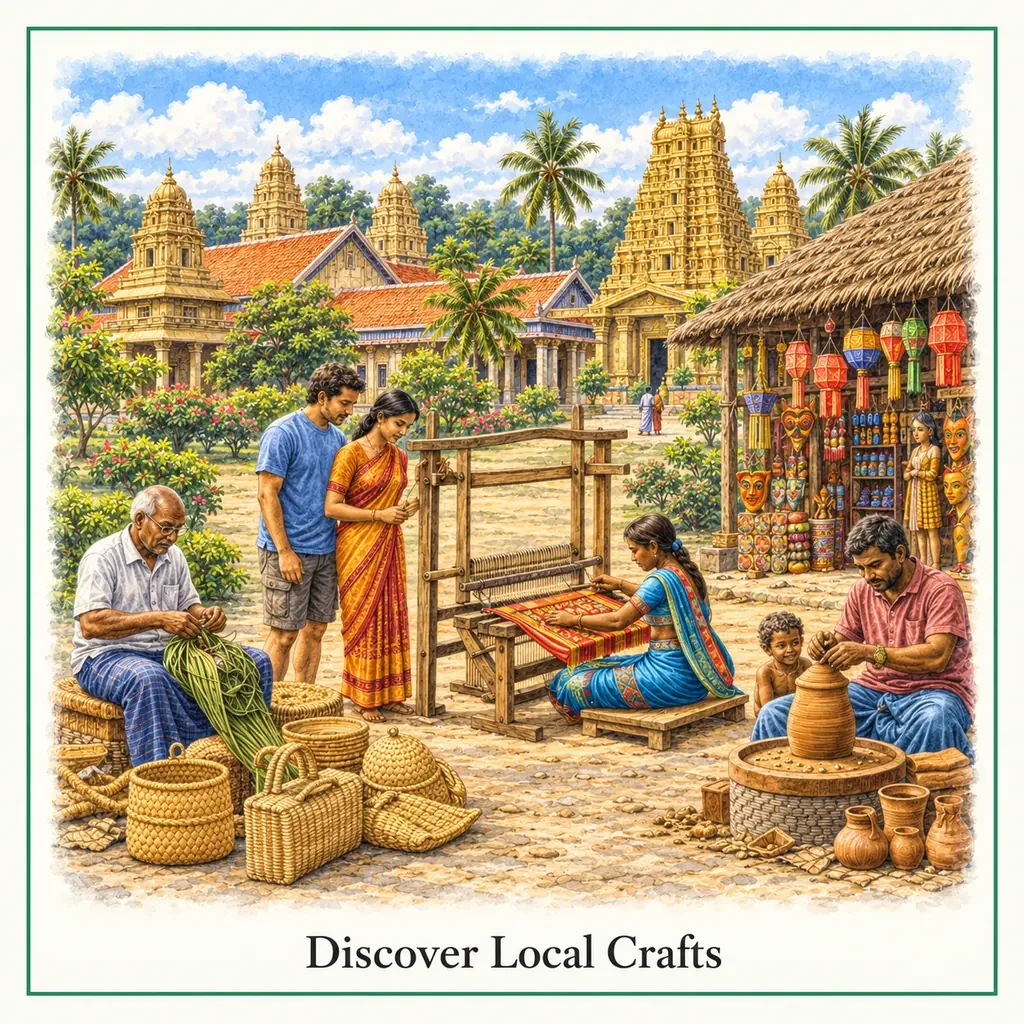
Palmyrah craft, libraries and small cultural initiatives can add depth to your visit. Opening hours are not always consistent, so ask locally and avoid arriving with fixed expectations.
9. Experience a quiet Jaffna evening
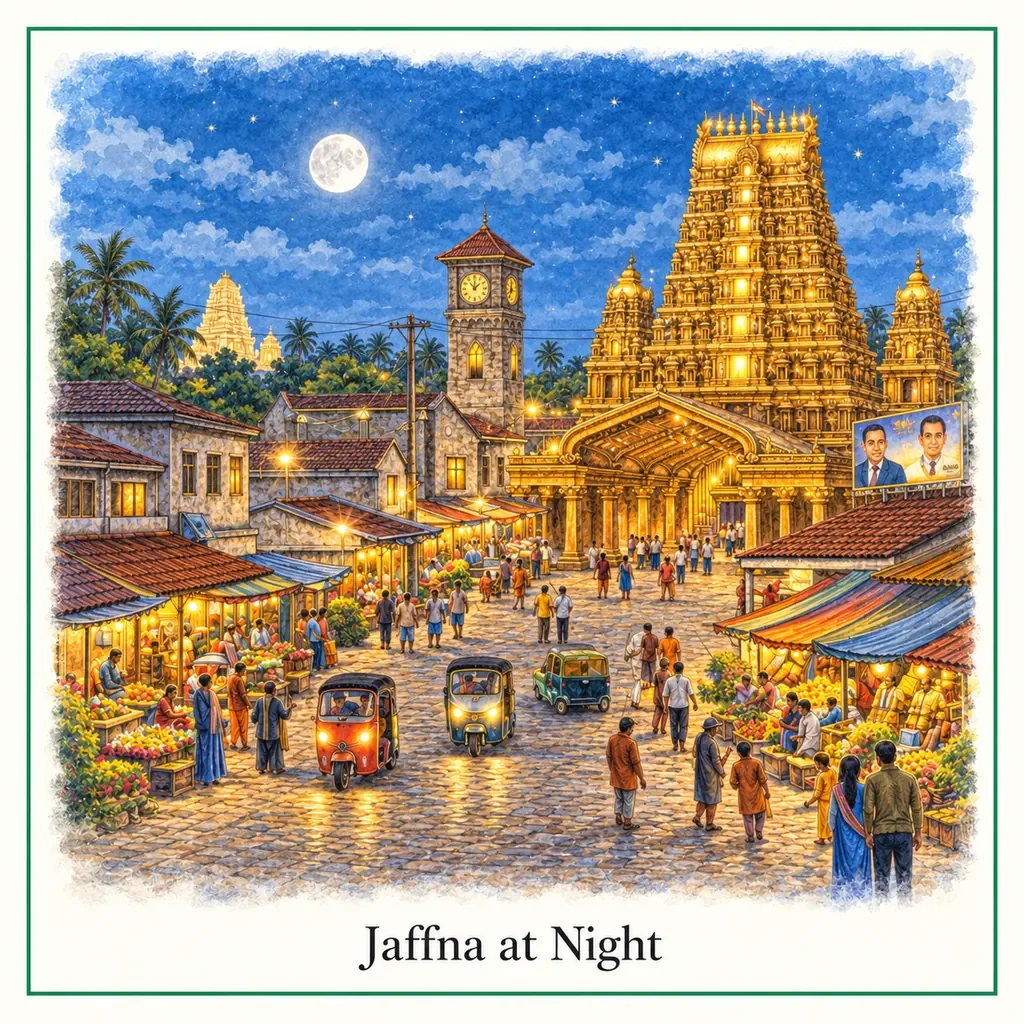
Jaffna is not a nightlife destination. Enjoy an early dinner, a gentle walk on well-lit streets and the city’s slower evening rhythm. Arrange transport back to your accommodation if it is outside the centre.

Essential Jaffna travel tips
Allow two or three days: two for the city and peninsula; three if Delft is important.
Start early: midday heat can make walking uncomfortable.
Dress respectfully: carry a light layer for temples and remove shoes where required.
Ask before taking photos: especially at religious sites, markets, villages and around security infrastructure.
Carry cash and water: small eateries, ferries and tuk-tuks may not accept cards.
Keep island plans flexible: ferries can change with weather, capacity or operational conditions.
Travel with context: Jaffna’s recent history remains sensitive. Listen carefully and avoid intrusive questions.

Where to stay in Jaffna
Jaffna, located in the far north of Sri Lanka, offers a completely different experience compared to the rest of the island. Known for its rich Tamil culture, historic sites, and quiet coastal landscapes, Jaffna feels authentic, untouched, and deeply rooted in tradition. Highlights include the colorful Nallur Kandaswamy Temple, Jaffna Fort, and nearby islands such as Delft and Nagadeepa.
Staying in Jaffna is about simplicity, culture, and warm hospitality. Accommodation options are more low-key than in the south, but you’ll find a growing number of boutique hotels and comfortable guesthouses. Most stays are located near Jaffna town, making it easy to explore the region. Below, you’ll find the best places to stay in Jaffna, carefully selected for their comfort, character, and location.
Best places to stay in Jaffna
Jetwing Jaffna
Jetwing Jaffna is widely considered the best hotel in the region, offering modern comfort in the heart of the city. The rooms are spacious, stylish, and well-equipped, providing a comfortable retreat after exploring Jaffna’s cultural sites. The rooftop restaurant is a highlight, offering panoramic views over the city along with excellent local and international cuisine. The hotel’s central location makes it easy to visit nearby attractions, markets, and temples. With its reliable service and contemporary design, Jetwing Jaffna is an ideal base for discovering the north.
North Gate by Jetwing
North Gate by Jetwing is a modern hotel located close to Jaffna’s railway station, making it convenient for travelers arriving by train. The property features comfortable rooms with clean, contemporary design and all essential amenities. Guests can relax by the rooftop pool or enjoy views of the surrounding city. The atmosphere is calm and welcoming, and the service is consistently reliable. Its location and facilities make it a great choice for both short and longer stays in Jaffna.
Fox Jaffna
Fox Jaffna is a boutique-style hotel set within a peaceful garden environment, offering a quiet escape just outside the busy town center. The property combines colonial charm with modern touches, creating a unique and stylish atmosphere. Rooms are comfortable and thoughtfully designed, while the pool and garden provide a relaxing space to unwind. Guests can also enjoy quality dining on-site. It’s an excellent option for travelers looking for a more tranquil and character-filled stay.
Family stays in Jaffna
Green Grass Hotel & Restaurant
Green Grass Hotel & Restaurant offers a budget-friendly option for families without compromising on comfort. The rooms are simple but spacious, and the hotel provides a relaxed, welcoming atmosphere. The pool and outdoor areas are great for children, while the on-site restaurant offers convenient dining. Its central location makes it easy to explore Jaffna’s attractions. It’s a practical choice for families looking for value and convenience.
The Thinnai Hotel
The Thinnai Hotel blends traditional Jaffna architecture with modern comfort, offering a unique cultural experience. The design reflects local heritage, with open spaces, courtyards, and natural materials creating a warm and inviting atmosphere. Rooms are spacious and well-equipped, while the pool and restaurant provide additional comfort. The hotel’s thoughtful design and attention to detail make it stand out. It’s a great choice for travelers who want to experience local culture without sacrificing comfort.
Luxury stays in Jaffna
Jetwing Jaffna
Jetwing Jaffna represents the top end of luxury in the region, offering modern design, excellent service, and a central location. The rooms are stylish and well-appointed, while the rooftop restaurant provides a memorable dining experience. Guests can expect a high level of comfort and attention to detail. It’s the best choice for travelers seeking a premium stay in Jaffna.
The Thinnai Hotel
The Thinnai Hotel offers a more boutique-style luxury experience with a strong focus on local culture and design. The architecture and layout create a unique and peaceful atmosphere, while the facilities ensure comfort. Guests can enjoy a refined yet authentic stay that reflects the spirit of Jaffna. It’s ideal for those looking for something different.
Unique & eco stays in Jaffna
Subhas Hotel
Subhas Hotel is a historic property that offers a glimpse into Jaffna’s past. While simpler than modern hotels, it has a unique character and central location. Guests can enjoy a more traditional experience while being close to the city’s main attractions. It’s perfect for travelers who appreciate history and authenticity.
Allens Guesthouse
Allens Guesthouse is a small, welcoming property offering a personal and homely experience. The rooms are simple but comfortable, and the hosts are known for their warm hospitality. Guests can enjoy home-cooked meals and helpful local tips. It’s a great choice for travelers seeking an authentic and budget-friendly stay in Jaffna.
Where to eat in Jaffna
Northern Tamil cuisine is a highlight of the trip. Balance simple vegetarian restaurants, local bakeries and seafood or curry places instead of choosing only hotel dining.
What to try
Breakfast: dosai, idli or string hoppers with sambol.
Lunch: a vegetarian or seafood rice-and-curry meal.
Local flavours: palmyrah products and Jaffna-style spice blends.
Menus and opening days change, so check directly. If you have allergies or dietary restrictions, explain them clearly rather than relying on labels alone.

How to get to Jaffna
By train: Sri Lanka Railways operates services between Colombo Fort and Jaffna, including reservable intercity, express and night-mail options. Journey times and services change, so check the official timetable and book reserved seats early.
By private car: useful if you want to stop in Anuradhapura or travel onward at your own pace. Allow a full travel day and confirm the current estimate with your driver.
By bus: long-distance buses connect Jaffna with Colombo and other northern towns. Comfort and journey times vary.
Getting around: central Jaffna is manageable by tuk-tuk and short walks. Hire a driver for peninsula routes and agree on stops, waiting time and price before departure.
Best time to visit Jaffna
January to March: generally drier and slightly more comfortable for city walks and cultural visits.
May to September: often hot and dry. Start early, plan a midday break and carry more water than you expect to need.
October to December: the northeast monsoon can bring heavier rain and disruption to island trips.
The Nallur festival usually takes place in July or August and brings extraordinary energy as well as crowds, traffic and accommodation pressure. Check current festival dates before booking.

Local perspective: visit Jaffna responsibly
Jaffna’s culture and recent history deserve careful, unhurried attention. Small choices help make the visit more respectful:
Use Tamil greetings when you can and be patient across language differences.
Choose locally owned restaurants, guides and guesthouses.
Ask before discussing personal experiences of conflict or displacement.
Never photograph checkpoints, military sites or people without permission.
Reduce plastic waste, especially on island trips where disposal is limited.
Continue your route through Anuradhapura, compare the wider Cultural Triangle, or prepare with our Sri Lanka travel tips.
Frequently asked questions about Jaffna
-
Jaffna feels like a different side of Sri Lanka — quieter, less explored, and culturally distinct. Located in the north, this region offers a unique blend of Tamil heritage, colonial influences, and coastal landscapes. It’s a place for travelers who want to go beyond the usual route and experience something truly different.
-
Visit the iconic Nallur Kandaswamy Temple, explore Jaffna Fort, and wander through local markets. Take a trip to Delft Island for a raw, untouched landscape, or relax at Casuarina Beach. Jaffna is less about ticking off sights and more about absorbing the atmosphere.
-
Jaffna has a distinct identity shaped by its Tamil culture, history, and geography. The food, language, architecture, and traditions all feel different from the south and central parts of Sri Lanka. It adds a whole new layer to your journey.
-
We recommend staying 2 to 3 nights. This allows you to explore the town, take a day trip to one of the nearby islands, and experience the slower pace of life.
Not sure how to fit Jaffna into your trip? Compare our 7 Day, 2 Week and 3 Week Sri Lanka Itineraries to see how it can work within a complete route.
-
January to March is generally drier and comfortable for cultural sightseeing. May to September is often hot and dry, while October to December can bring heavier northeast-monsoon rain. Check the current forecast before island trips.
-
Yes, especially for families interested in culture and exploration. The destination is calm and less crowded, though travel distances can be longer, so a relaxed pace works best.
For more practical advice, read our Sri Lanka with Kids Guide, or follow our complete 2 Week Sri Lanka Family Itinerary.
-
The train from Colombo is usually the best balance of comfort and experience, with reservable intercity, express and night-mail services. A private car offers more flexibility. Always confirm the current timetable and journey estimate.
-
Definitely. Jaffna cuisine is rich in vegetarian dishes, often with bold flavors and spices. You’ll find delicious dosas, curries, and local specialties that are different from what you’ll taste in the south.
Read our Vegetarian Food in Sri Lanka Guide for dishes to try, ordering tips and advice for vegetarian travellers.
-
We recommend staying in a small boutique hotel or comfortable guesthouse in or near Jaffna town. Accommodation here is more low-key but adds to the authentic feel of the destination.
Looking for somewhere memorable? Our Extraordinary Places to Stay in Sri Lanka features some of the most unique accommodation experiences around the island.
-
Most visits are trouble-free, but normal precautions apply. Follow current travel advice, avoid photographing security or military locations, respect local sensitivities and arrange reliable transport for remote island or peninsula trips.
-
Jaffna stands out because it feels untouched by mass tourism. It offers a deeper cultural experience, where traditions are strong and daily life unfolds at a slower pace. It’s a destination for curious travelers.
-
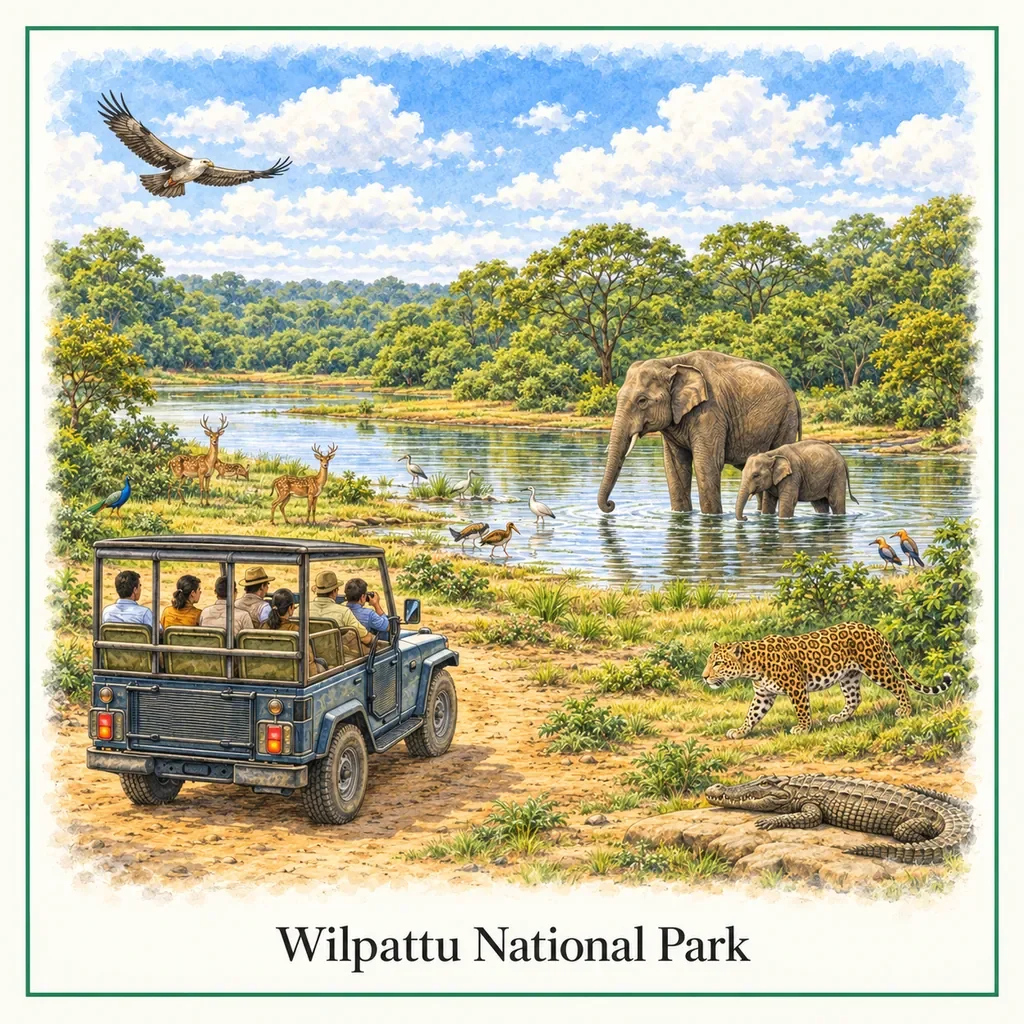
Jaffna pairs well with Anuradhapura and Wilpattu National Park, creating a route through the north of Sri Lanka. It’s ideal for travelers looking to explore beyond the classic highlights.